
Nostalgia and AI Algorithms Drive 2026 Music Charts Toward Deep Catalogue
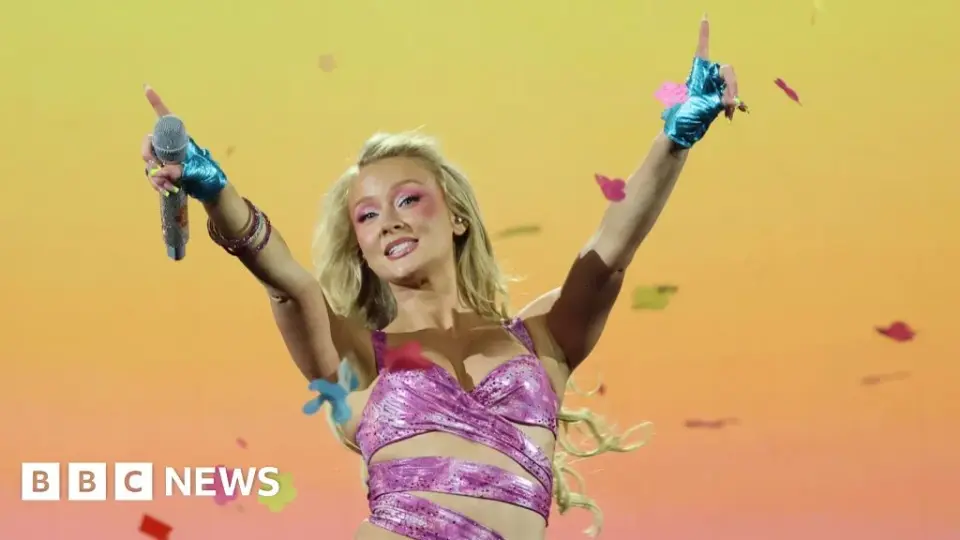
In 2026, listeners are increasingly favoring older music over new releases, with approximately 60% of streams in the UK and US coming from tracks released five or more years ago. This shift is driven by nostalgia, algorithmic biases in AI-driven playlists, and the dominance of a tiny fraction of top artists. While new hits like Sam Fender and Olivia Dean’s duet achieve record-breaking chart runs, the overall landscape shows a significant decline in the consumption of current music, raising concerns for emerging artists and the sustainability of new music discovery.
Key points
- Luminate data shows that in the first half of 2026, nearly 60% of music streamed in the UK and US was released five or more years ago, significantly outpacing current releases.
- In the UK, 18 of the top 20 bestselling songs were released 12 months or earlier, including Zara Larsson’s 2015 hit 'Lush Life' and Michael Jackson’s 1983 'Billie Jean'.
- In the US, R&B and Hip-Hop genres see about 60% of streams coming from older catalogue hits, indicating a strong preference for deep catalogue music.
- The UK’s Competition and Markets Authority reports that nearly two-thirds of streams come from only the top 0.4% of artists, highlighting a concentration of listening habits.
- AI-assisted playlist curation on platforms like Spotify may reinforce listening biases, as algorithms tend to recommend similar tracks based on existing listening behavior, potentially limiting exposure to new or diverse music.
- Grassroots organizations like Sofar Sounds are launching initiatives such as the Human Discovery Movement to promote new artists through human-curated recommendations and live performances.
Background
The trend of favoring older music has been growing since Luminate began tracking music streaming in 2008. Previous analyses have shown a gradual shift toward nostalgia in music consumption, with older tracks gaining popularity over time. The current situation in 2026 represents a significant acceleration of this trend, with a clear dominance of deep catalogue music in both the UK and US markets.
Why it matters
The dominance of older music in streaming platforms has significant implications for the music industry, particularly for emerging artists who struggle to gain exposure and sustain careers in an environment where listeners are increasingly passive and reliant on algorithmic recommendations. This trend may lead to a homogenization of music consumption, where a small number of top artists dominate the market, and new or diverse music is overlooked. Additionally, the rise of AI-generated content raises concerns about the authenticity and quality of music being consumed, potentially undermining the livelihoods of human artists and the integrity of music discovery.
What to watch
Streaming platforms like Apple Music are working to champion new artists through curated playlists, while organizations like Sofar Sounds are promoting grassroots musicians through live performances and human-curated recommendations. The music industry is also grappling with the challenges of AI-generated content, with platforms like Spotify implementing policies to filter out AI-related issues and distinguish human artists from AI-generated content. The future of music discovery and consumption will likely depend on how effectively these platforms and organizations can balance the appeal of nostalgia with the need to promote new and diverse music.
Want the full story? Read the original reporting
Read on BBC