
Older Americans Highlight 26 Cultural Shifts They Feel Are Overlooked in Modern Discourse
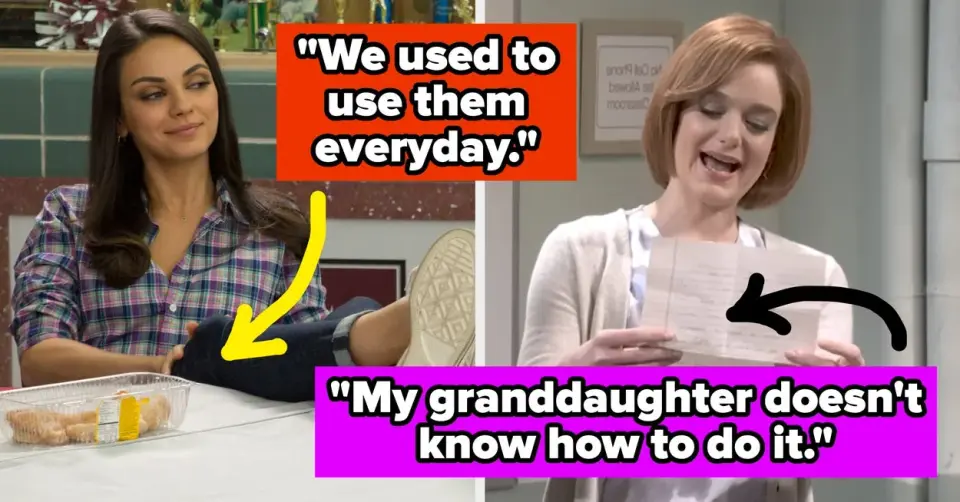
BuzzFeed published a compilation of 26 observations from older Americans regarding societal changes they feel are rarely discussed. The post, authored by Jennifer McPhee, highlights shifts in community interaction, financial stability, and daily etiquette. Contributors note a decline in neighborly assistance, the disappearance of cursive writing in schools, and increased reliance on disposable goods. The article contrasts past economic mobility, such as affording apartments on minimum wage in 1969, with current housing costs. It also touches on changes in child safety norms, religious tolerance, and workplace dress codes. The piece invites readers to share their own observations on how social structures have evolved over the decades.
Key points
- The article aggregates 26 specific observations from older adults regarding changes in social behavior, economic conditions, and daily routines.
- Contributors highlight a perceived decline in community cohesion, citing the loss of block parties, neighborly carpooling, and informal help networks.
- Economic shifts are noted, specifically the contrast between 1969 minimum wage affordability and current housing and car purchase barriers for younger generations.
- Cultural changes include the removal of cursive writing from school curricula, the rise of disposable household items, and altered norms regarding pregnancy visibility and workplace attire.
- Safety perceptions have shifted, with older adults expressing concern over child abduction risks compared to the unsupervised play common in the 1960s and 1970s.
- The post includes a comment section where users debate the validity of these observations, with some arguing that crime rates are lower now and others citing economic hardship as the root cause of current social behaviors.
Background
This piece follows a broader trend in media covering generational divides and nostalgia. Recent coverage in our archive has focused on health and technology for older adults, such as knee mobility routines and medication safety, but this article shifts focus to sociological and cultural shifts. It reflects ongoing public discourse about the impact of economic inequality and technology on social cohesion, a theme that has persisted in cultural commentary for years.
Why it matters
The article captures a widespread sentiment among older demographics that rapid technological and economic changes have eroded traditional social structures. It highlights the tension between nostalgia for past community norms and the practical realities of modern economic constraints. By aggregating these views, the piece illustrates how generational gaps are framed not just as differences in technology, but as fundamental shifts in values, safety, and economic opportunity. It serves as a snapshot of current cultural anxieties regarding isolation, affordability, and changing etiquette in the United States.
What to watch
The article invites public participation through comments and anonymous submissions, suggesting that the conversation on generational shifts will continue in the digital space. No specific policy or event is predicted, but the engagement metrics indicate a high level of interest in these topics. Future coverage may continue to explore the intersection of economic hardship and social behavior, as well as the impact of technology on community interaction.
Want the full story? Read the original reporting
Read on BuzzFeed