
Supreme's Elliott Smith Capsule Sparks Debate Over Authenticity and Estate Rights
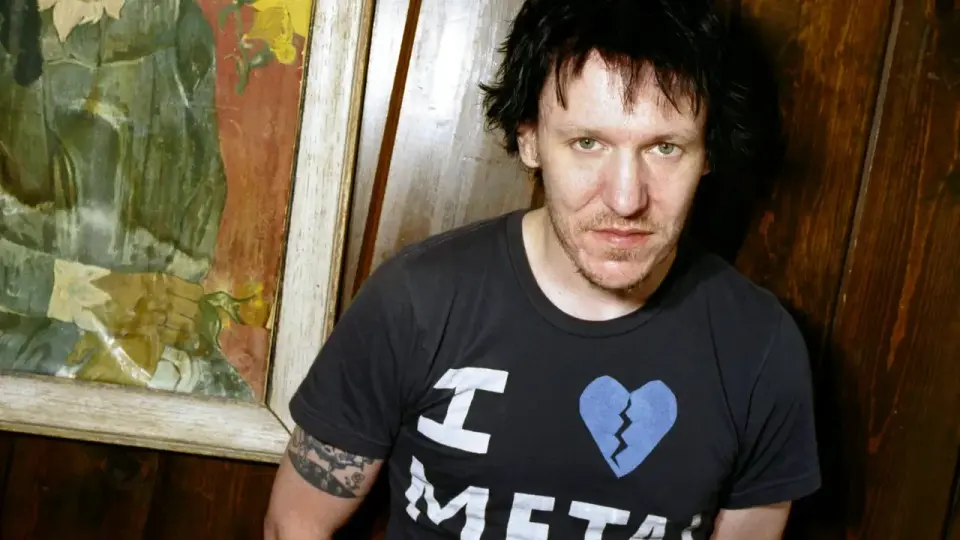
Supreme has announced a fall 2026 capsule collection featuring archival imagery and references to the late singer-songwriter Elliott Smith. The release, scheduled for November 12, includes a thermal top, T-shirts, a work jacket, and a beanie, utilizing photographs by Autumn de Wilde and Deb Pastor. While the collaboration was approved by Smith's estate, it has triggered significant online backlash from fans who view the partnership as a commercial betrayal of the artist's legacy. Critics argue that Supreme's association with high fashion and corporate investment undermines the anti-consumerist ethos of Smith's music. Conversely, defenders note that Supreme has a long history of collaborating with musicians and that the estate receives compensation, which is crucial for artists whose streaming revenues have diminished. The collection highlights Smith's 1997 album 'Either/Or' and his broader discography, aiming to connect his visual identity with his musical career.
Key points
- Supreme's new collection drops November 12, 2026, in the US and November 14 in Asia.
- Items include a thermal top, T-shirts, a work jacket, a hoodie, and a beanie.
- The collection features archival photos by Autumn de Wilde and Deb Pastor.
- The collaboration was approved by Elliott Smith's estate.
- Backlash centers on Supreme's perceived inauthenticity and corporate nature.
- Defenders argue Supreme has a long history of music collaborations and supports youth culture.
Background
Supreme, founded in 1994, has a history of collaborating with artists and musicians, including Rammellzee, Raekwon, and various record labels. Elliott Smith, who died in 2003, was integrated into skate culture through his friendship with skateboarder Mike Mills and the use of his music in skate films. The current controversy follows a pattern of public debate over streetwear brands partnering with cultural icons, though Supreme's specific history with music collaborations is often cited in defense of the brand.
How outlets are covering it
Rolling Stone argues that the backlash is misplaced, asserting that Supreme remains a brand with genuine beliefs and a long history of supporting youth culture and musicians. They note that the estate is compensated, which is significant in an era of low streaming payouts. Stereogum acknowledges the collaboration but expresses skepticism about the appeal of expressing affection for Smith through 'hypebeast' clothing, noting Supreme's recent association with NYPD and FDNY merchandise. selecta bisso focuses on the artistic merit of the collection, highlighting the use of original photographs and references to key albums like 'Either/Or'. Pitchfork's coverage is limited to a consent management page, offering no editorial perspective on the story itself.
Why it matters
The controversy highlights ongoing tensions between streetwear brands and cultural authenticity, as well as the economic realities for estates of deceased artists. It underscores the debate over whether commercial partnerships dilute artistic legacy or provide necessary financial support and exposure. The reaction also reflects broader societal divisions regarding consumerism and the commercialization of cultural icons.
What to watch
The collection is scheduled to release on November 12, 2026, in the US and November 14 in Asia. Pricing has not yet been disclosed. The public response may influence how Supreme and other brands approach future collaborations with cultural figures. The estate's compensation from the sale will be a key factor in assessing the long-term impact on Smith's legacy.
- A Supreme Elliott Smith Collection? What the Hell, Sure Pitchfork
- Why Is Everyone So Mad at Supreme’s Elliott Smith Collaboration? Rolling Stone
- Supreme x Elliott Smith Fall 2026 Collaboration Collection Hypebeast
- SUPREME x ELLIOTT SMITH: A COLLECTION IN TRIBUTE TO THE SINGER-SONGWRITER selecta bisso
- Supreme Announces Elliott Smith Collection Stereogum
Want the full story? Read the original reporting
Read on Pitchfork