
Tate Britain’s 'The 90s' Exhibition Revives Britain’s Chaotic Cultural Era
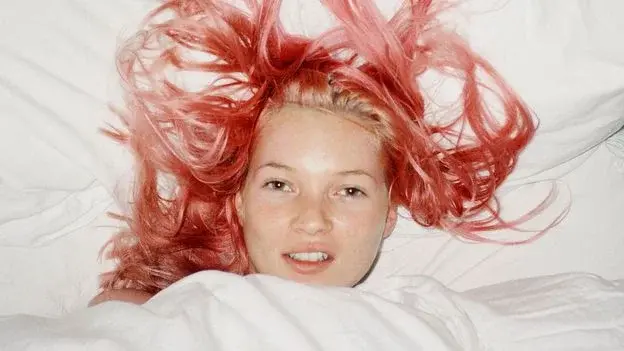
Tate Britain has opened 'The 90s: Art and Fashion,' an exhibition curated by Edward Enninful that explores the chaotic, cross-disciplinary energy of 1990s British culture. The show highlights how music, fashion, and art blurred boundaries, featuring works by Alexander McQueen, Steve McQueen, and Naomi Campbell. While the BBC frames the decade as a vibrant, hedonistic era of DIY innovation, The Independent argues that such a cultural explosion is impossible today due to modern surveillance and algorithmic constraints. Victoria Miro confirms the inclusion of works by Chris Ofili and Barbara Walker, underscoring the exhibition's broad scope in redefining who participated in British culture.
Key points
- Tate Britain’s 'The 90s: Art and Fashion' runs from 8 October 2026 to 14 February 2027, curated by Edward Enninful.
- The exhibition features 10 iconic images, including works by Corinne Day, Alexander McQueen, and Steve McQueen, highlighting the era's gritty realism and theatricality.
- Edward Enninful emphasizes that the 1990s saw a breakdown of old hierarchies, allowing artists, designers, and musicians to collaborate across disciplines.
- The Independent argues that the 1990s could not happen today because modern culture is 'continually tuned for the algorithm' and heavily monitored.
- Victoria Miro highlights the inclusion of works by Chris Ofili and Barbara Walker, confirming the exhibition’s focus on a groundswell of creativity that changed British culture.
Background
This exhibition follows recent cultural retrospectives, such as Stevie Nicks’ recollections of 1990s rock collaborations and Todd Rundgren’s critiques of music industry shifts in the 1990s. While those archive pieces focus on music industry dynamics, the current story broadens the scope to include fashion, art, and club culture, reflecting a wider societal shift in the 1990s.
How outlets are covering it
The BBC presents the 1990s as a 'last hurrah' of analogue life, characterized by chaotic energy, hedonism, and cross-disciplinary collaboration. In contrast, The Independent argues that the 1990s could never happen today, citing the current era’s algorithmic tuning and surveillance as barriers to the spontaneous creativity of the past. Victoria Miro provides a factual confirmation of the exhibition’s scope, highlighting specific artists like Chris Ofili and Barbara Walker, without offering a broader cultural analysis.
Why it matters
The exhibition serves as a critical examination of how the 1990s reshaped British culture by breaking down traditional hierarchies and allowing diverse voices to participate in creative fields. It highlights the contrast between the spontaneous, unmonitored creativity of the 1990s and the algorithm-driven, surveilled culture of today, offering insights into how cultural production has evolved over the past three decades.
What to watch
The exhibition will remain open at Tate Britain until 14 February 2027, providing a platform for public engagement with 1990s British culture. Future cultural discussions may focus on how the legacy of the 1990s influences contemporary art and fashion, particularly in relation to the breakdown of traditional hierarchies and the role of diverse voices in creative fields.
- 'Rock 'n' roll swagger': 10 iconic images capturing the chaotic energy of '90s Brit culture BBC
- Tate Britain’s essential celebration of the 1990s left me buzzing The Telegraph
- Gen X changed British culture forever – the 90s could never happen today The Independent
- Works by Chris Ofili and Barbara Walker feature in The 90s: Art and Fashion at Tate Britain Victoria Miro
- 'The ’90s: Art and Fashion' Highlights the Decade’s Rule-Breaking Spirit ELLE
Want the full story? Read the original reporting
Read on BBC