
The Real Christopher Robin Resented Being Defined by His Father's Pooh Legacy
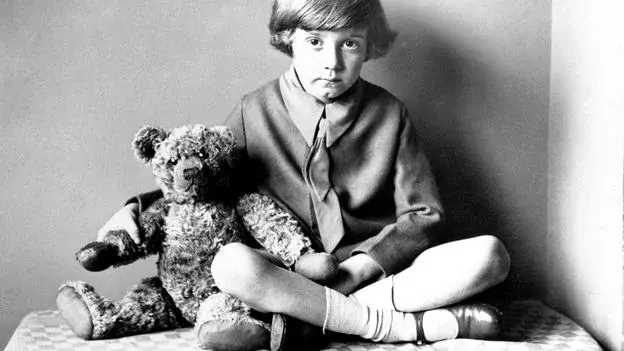
Marking the 100th anniversary of the first Winnie-the-Pooh book, the BBC highlights the complex relationship between A.A. Milne and his son, Christopher Robin. While the books were inspired by the boy’s games in Ashdown Forest, Christopher grew to resent the association, feeling his father had exploited his childhood for fame. He struggled with shyness and jealousy, eventually reconciling with the idea that the stories were his father’s way of connecting with him despite emotional distance.
Key points
- The first Winnie-the-Pooh book was published in October 1926, featuring characters based on A.A. Milne’s son and his toys.
- Christopher Robin Milne initially felt proud but later resented the link, stating he felt his father had 'filched' his good name.
- In a 1974 memoir, Christopher described his childhood as dominated by nannies and noted that his parents were emotionally remote until he was about nine.
- The character of Christopher Robin became a burden for the real boy, causing shyness in school and jealousy regarding his father’s success.
- Christopher eventually accepted that the books were a way for his emotionally reserved father to express affection he could not show directly.
Background
This story coincides with the 100th anniversary of the first Winnie-the-Pooh book, a milestone that has sparked global discussions about the franchise’s origins. Recent coverage has focused on the real bear that inspired the character, which was brought to the UK during World War I and later kept at London Zoo. Additionally, there has been public debate regarding the location of the original stuffed bear, which remains at the New York Public Library despite UK campaigns for its repatriation. The current BBC article shifts focus from the physical artifacts to the human cost of the literary legacy, exploring the psychological impact on the real-life inspiration behind the fictional character.
Why it matters
This narrative underscores the often overlooked human costs behind beloved cultural icons. It illustrates how literary success can create a disconnect between an author and their real-life subjects, leading to long-term psychological effects for those involved. The story serves as a reminder that behind iconic fictional characters, there are real people whose lives may be overshadowed or complicated by the fame of the work. It also highlights the complexity of parent-child relationships in the context of artistic creation, where the line between inspiration and exploitation can blur.
What to watch
As the centenary continues, expect further historical analyses and documentaries exploring the lives of the real people behind famous fictional characters. There may be renewed interest in the archives of A.A. Milne and Christopher Robin, potentially leading to new exhibitions or publications that delve deeper into the personal dynamics of the Milne family. The ongoing debate about the original stuffed bear’s location may also continue to attract media attention, though the current focus is on the human story rather than the physical artifact.
Want the full story? Read the original reporting
Read on BBC