
UK Schools and Councils Split Over Removing David Walliams Books Amid Misconduct Allegations
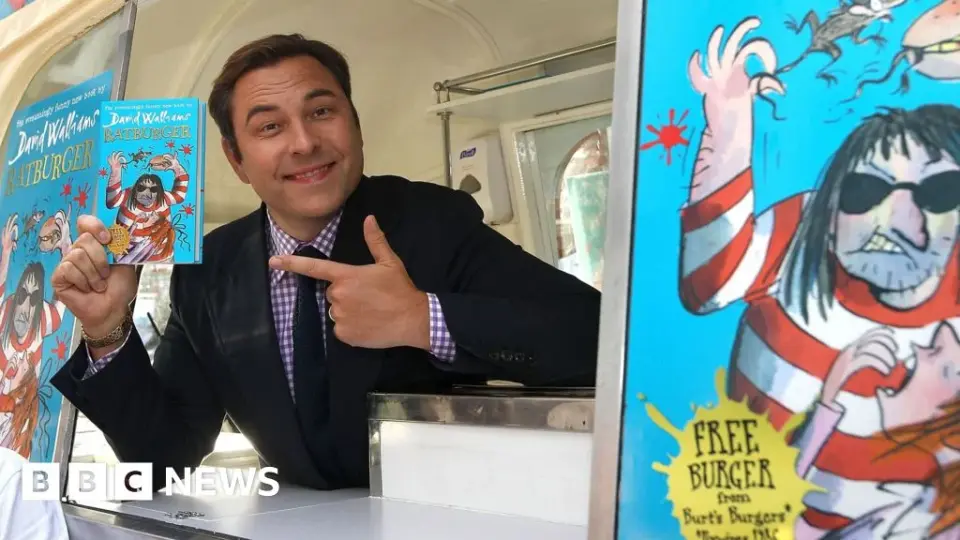
Following published allegations of sexual misconduct against children's author David Walliams, UK institutions are divided on whether to remove his books. While some schools and councils have withdrawn titles, others argue that banning books is inappropriate or that the content is not illegal. The debate highlights tensions between protecting young readers and maintaining access to literature, occurring alongside a broader reckoning in the UK comedy industry.
Key points
- The Association of School and College Leaders reports that some head teachers have already removed Walliams' books from school libraries, citing the difficulty of keeping them on shelves amid allegations.
- Retailers including Waterstones, TG Jones, and The Works have stopped selling his titles, and his publisher HarperCollins cut ties with him in September.
- Local councils are making independent decisions: Kent and Surrey have kept the books available, while Camden Council has put them in storage, citing a commitment to safer environments for women and girls.
- Walliams, who has sold over 50 million copies of books like Gangsta Granny, denies the allegations of sexual misconduct and grooming, stating he is not a predator and has not broken the law.
- The Department for Education has been asked to provide national guidance to prevent inconsistent decisions across schools, while critics argue that banning books may suppress important conversations about the allegations.
Background
This controversy follows the publication of detailed allegations by the Guardian and ITV News, which occurred after a judge rejected Walliams' bid for an injunction. The situation coincides with the recent rape conviction of comedian Russell Brand, prompting a wider national debate on celebrity accountability and media safeguards in the UK. Previous archive coverage noted that these events have triggered a crisis in UK comedy, with calls for stricter policies to protect women and young people from exploitation by powerful figures.
How outlets are covering it
The BBC and The Guardian highlight the immediate actions taken by schools and retailers to remove Walliams' books, emphasizing the 'difficult decision' faced by educators. The Guardian further notes that industry insiders view past jokes about Walliams as a 'degree of enabling' within the media, suggesting a culture that may have ignored concerns. In contrast, AP News frames the situation as part of a broader 'reckoning' for UK comedy, linking Walliams' allegations to Brand's conviction and questioning why such misconduct went unaddressed for so long. While some council officials, like those in Kent and Surrey, argue that books should remain available unless their content is unlawful, others, such as Camden Council, prioritize removing titles to promote healthy relationships and safety. Critics like author Chloe Combi argue that banning books is not appropriate and may sweep important conversations under the carpet, whereas others support removal to protect potentially traumatized children.
Why it matters
The decision to remove or keep Walliams' books reflects a deeper societal struggle over how to handle allegations against public figures, particularly those with significant influence over young audiences. It raises questions about the role of institutions in protecting children versus preserving access to literature and the potential consequences of censorship. The split in responses among schools and councils underscores the lack of clear national guidance, leaving individual institutions to navigate complex ethical and legal considerations. This situation also highlights the ongoing debate about accountability in the media and entertainment industries, where power imbalances have long been criticized for enabling misconduct.
What to watch
The Department for Education is expected to provide national guidance to schools on how to handle the situation, aiming to ensure consistency across institutions. Local councils will continue to make independent decisions about their library collections, with some potentially reviewing or removing titles based on reader demand and relevance. The media and entertainment industries may face increased scrutiny and calls for more robust policies to protect women and young people from exploitation, as government officials summon executives to discuss safeguards. Walliams' legal team may continue to defend his position, while the public and institutions will likely monitor the impact of these decisions on access to literature and the broader discourse around celebrity accountability.
- Schools, libraries and parents face 'difficult decision' over David Walliams books BBC
- Years of onscreen jokes suggest Walliams’ reputation was ‘in plain sight’ within industry, insider says The Guardian
- U.K.’s Worst-Kept Secret: Who Was the Celebrity Accused of Preying on Teens WSJ
- Walliams and Brand were leading UK comics. Now they are part of a reckoning over sexual misconduct AP News
- Jonathan Ross: toxic friends, tasteless gags and the presenter’s regrets The Times
Want the full story? Read the original reporting
Read on BBC