
Unpublished Houdini Essay Debuts on Centennial of Death Amidst Ongoing Disputes Over His Final Days
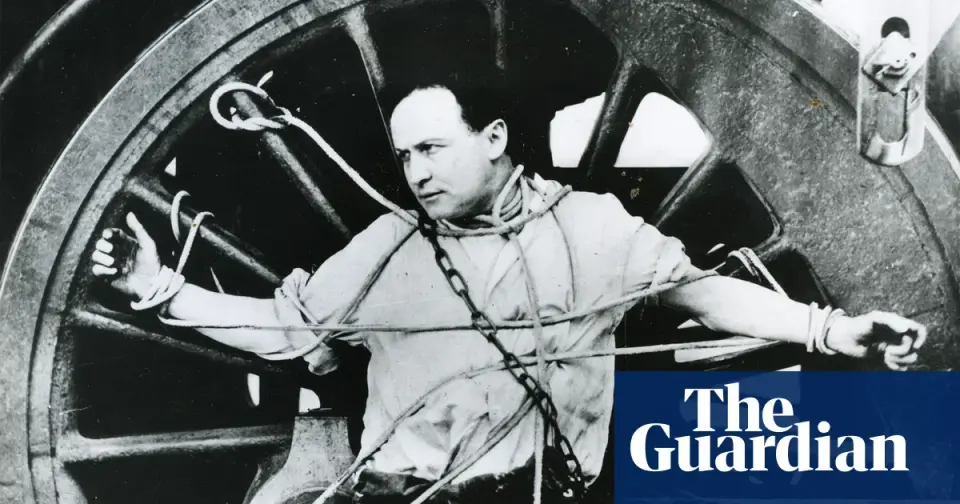
On the 100th anniversary of his death, a previously unpublished essay by Harry Houdini titled 'An Interesting Scrapbook' is released in The Strand Magazine. The piece highlights his interest in 19th-century magic history. Simultaneously, new publications and events debate the cause and date of his 1926 death in Detroit, with some arguing for an October 30 date due to medical errors, while others maintain the traditional October 31 timeline.
Key points
- A never-before-published essay by Harry Houdini, 'An Interesting Scrapbook,' appears in The Strand Magazine, detailing his research into early American magicians and playbills.
- The essay was preserved at the Harry Ransom Center at the University of Texas at Austin, where a curated tour marks the anniversary.
- New book 'Houdini: The Man Who Died Twice' argues Houdini died on October 30 from intestinal blockage caused by post-surgery food intake, not October 31 from peritonitis.
- Houdini’s great-nephew George Hardeen supports the new theory, while scholars Bruce Averbook and John Cox remain skeptical or call for further verification.
- Global commemorations include a gala in Budapest, séances in New York and Chicago, and an auction in Hollywood, coinciding with the centennial.
Background
Houdini, born Erik Weisz in 1874, was a Hungarian immigrant who became a global celebrity for his escape acts and anti-spiritualism crusade. He died in 1926 at age 52. Recent coverage has highlighted his status as a cultural icon and the proliferation of AI-generated content and public events marking the centennial of his death.
How outlets are covering it
The Guardian emphasizes the literary discovery of 'An Interesting Scrapbook,' noting it reveals Houdini as a historian of magic. AP News focuses on the controversy surrounding his death, citing Larrian Gillespie’s book which challenges the official date and cause. NPR provides a narrative of his Detroit performances and the enduring mystery of his death, including conspiracy theories and séance attempts. Experts are divided: Gillespie and Hardeen support the October 30 death theory, while Averbook and Cox defend the October 31 date or view the death as minor compared to his life's impact.
Why it matters
The centennial has reignited interest in Houdini’s lesser-known scholarly works and sparked renewed debate over the factual circumstances of his death, challenging long-held narratives about his final days and legacy.
What to watch
Commemorative events continue globally, including séances and exhibitions. The debate over Houdini’s death date and cause may continue as new evidence or perspectives emerge, though no official consensus has been reached.
- Unseen Harry Houdini writing published on 100th anniversary of his death The Guardian
- 100 years later, Harry Houdini's death still haunts Detroit NPR
- A century on, Budapest circus revives Houdini's daring escapes Reuters
- Houdini’s centennial spotlight: A newly published essay and a fresh fight over when and how he died AP News
- Harry Houdini’s greatest trick The Economist
Want the full story? Read the original reporting
Read on The Guardian