
West of England councils reject calls to pull Walliams books from shelves
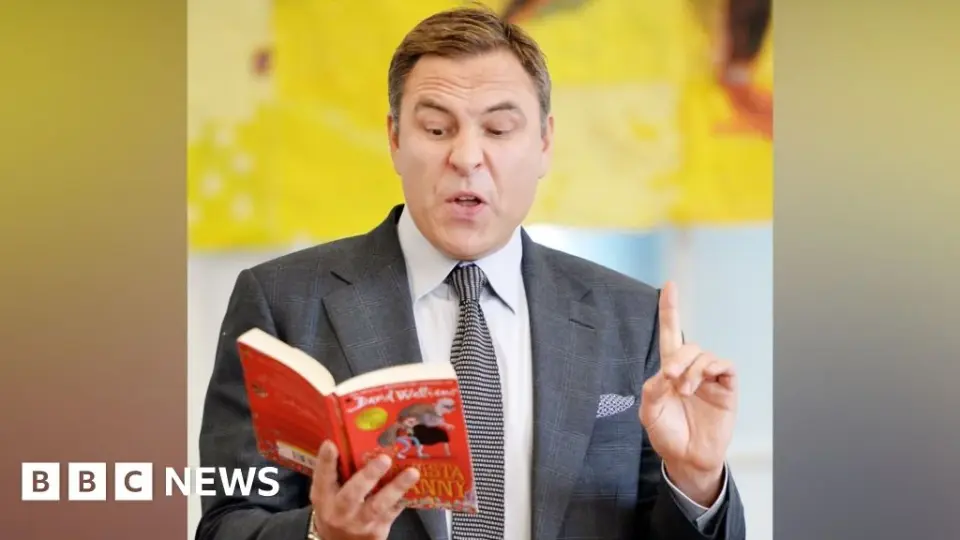
Councils in Bristol, Gloucestershire, and Somerset have confirmed they will not remove books by David Walliams from their libraries. This decision follows a joint investigation by The Guardian and ITV News alleging sexual misconduct, which Walliams denies. While his publisher HarperCollins dropped him in 2025, local authorities cite freedom of expression policies, leaving the decision to remove titles from schools to individual institutions.
Key points
- LibrariesWest, which oversees libraries in Bristol, Somerset, and parts of Dorset, maintains a policy against censorship, stating they only restrict access to protect materials from damage or theft.
- Gloucestershire County Council, which operates independently of LibrariesWest, also has no plans to ban Walliams titles, noting that demand for his books has naturally fallen in recent years.
- Bristol City Council stated its library approach remains unchanged, providing a balanced range of stock, while decisions regarding school libraries are left to individual schools.
- Walliams, who has sold over 50 million copies of his books, was dropped by HarperCollins in 2025 after allegations of inappropriate conduct were made public.
- The debate over removing his books follows a broader industry reckoning, with some schools and parents facing difficult decisions about stocking his work.
Background
This development occurs amid a wider scrutiny of Walliams' career and works. In late 2026, the BBC removed 'Little Britain' from its streaming platform, and critics have raised concerns about stereotypes in his children's literature. The situation mirrors a global trend, with the US seeing a record 12,000 book bans in 2025-2026, highlighting tensions between protecting young readers and maintaining access to literature.
How outlets are covering it
BBC and local councils in the West of England emphasize the principle of freedom of expression and the role of libraries in providing a broad range of material, arguing that censorship is not their role. The Guardian and ITV News, in their joint investigation, focus on the alleged grooming and abuse of power by Walliams, highlighting the public interest in reporting such allegations. Industry insiders, as reported by The Guardian, suggest that Walliams' reputation was 'in plain sight' within the comedy industry, with years of onscreen jokes and references to his alleged promiscuity, raising questions about enabling behavior. Walliams himself denies all allegations, stating he has not broken the law but is 'devastated' by the hurt expressed by some women.
Why it matters
The decision by West of England councils to keep Walliams' books on shelves underscores the ongoing debate over censorship, freedom of expression, and the responsibility of public institutions in the face of serious allegations against public figures. It highlights the tension between protecting young readers and maintaining access to literature, a tension that is increasingly relevant in a global context where book bans are on the rise.
What to watch
The decision to remove or keep Walliams' books in schools will continue to be made by individual institutions. The natural decline in demand for his books may lead to a reduction in the number of copies available over time. The broader impact on the UK comedy and publishing industries, and the potential for further legal or public scrutiny of Walliams' conduct, will depend on the outcome of any ongoing investigations or legal proceedings.
- No plans to remove Walliams books from West libraries BBC
- U.K.’s Worst-Kept Secret: Who Was the Celebrity Accused of Preying on Teens WSJ
- British comedian and children’s author David Walliams accused of sexual misconduct AP News
- Years of onscreen jokes suggest Walliams’ reputation was ‘in plain sight’ within industry, insider says The Guardian
- David Walliams’s celebrity friends criticised for staying silent The Times
Want the full story? Read the original reporting
Read on BBC