
Winnie-the-Pooh Centenary Highlights Real Bear’s Journey from WWI to London Zoo
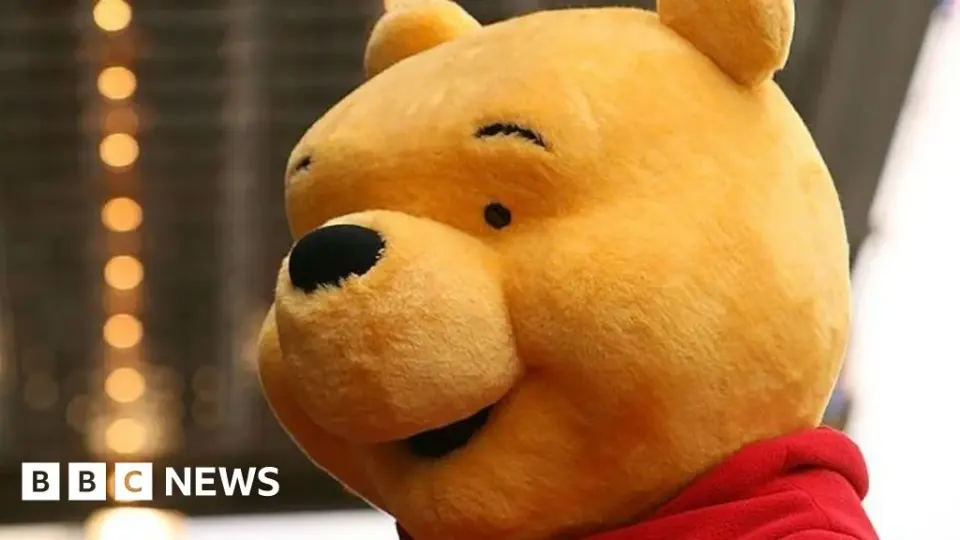
Marking the 100th anniversary of the first Winnie-the-Pooh book, new details have emerged regarding the real bear that inspired the character. The animal, named Winnie, was a female bear brought to the UK by Canadian vet Harry Colbourn during World War I. After being stationed on Salisbury Plain, she was moved to London Zoo, where she became a popular attraction. A.A. Milne’s son, Christopher Robin, visited the bear and named his toy after her, leading to the creation of the fictional character. The real Winnie lived at the zoo until 1934 and is remembered through historical records and recent commemorative efforts.
Key points
- The first Winnie-the-Pooh book was published a century ago this week.
- The character was inspired by a real female bear named Winnie, owned by Canadian vet Harry Colbourn.
- Colbourn brought the bear to Salisbury Plain in 1914 as a regimental mascot.
- Winnie was later transferred to London Zoo, where she became a popular visitor attraction.
- A.A. Milne’s son, Christopher Robin, visited the bear and named his teddy bear after her.
- The real Winnie died in 1934 at age 20 and is remembered through a new plaque in Tilshead, Wiltshire.
Background
This story revisits the origins of one of literature’s most enduring characters, connecting the fictional Winnie-the-Pooh to a real animal from World War I. The centenary of the book’s publication has prompted renewed interest in the historical figure of Harry Colbourn and the bear’s life at London Zoo. Previous coverage in our archive has not addressed this topic, but the current focus aligns with broader cultural interest in historical figures and their impact on popular media.
How outlets are covering it
The BBC provides a detailed account of the real bear’s history, emphasizing the role of Harry Colbourn and the connection to A.A. Milne’s family. The Telegraph’s source was inaccessible due to a security block, so no additional perspectives could be synthesized from that outlet. The BBC highlights the bear’s popularity at London Zoo and the recent efforts to commemorate her through a plaque in Tilshead, Wiltshire. No conflicting information was available from secondary sources, as the Telegraph’s content was blocked by an access issue.
Why it matters
The centenary of Winnie-the-Pooh underscores the cultural impact of a character rooted in real historical events. The story of the real bear connects World War I, animal care, and literary history, illustrating how personal experiences can shape global cultural icons. The recent commemorative efforts and museum displays help preserve the memory of the real Winnie, ensuring her legacy is recognized alongside the fictional character.
What to watch
The real Winnie’s legacy continues through museum displays and commemorative plaques. The Hunterian Museum’s temporary exhibition of her skull provides a tangible connection to her life. The centenary of the book may lead to further cultural events and publications exploring the history of Winnie-the-Pooh and its real-life inspirations.
- Winnie-the-Pooh: The real bear behind the 100-year-old book BBC
- In which Winnie-the-Pooh turns 100 and Britain wants its bear back The Washington Post
- Original ‘Winnie the Pooh’ bear is being held hostage at NY library, Brits say Syracuse.com
- Winnie-the-Pooh turns 100 The Economist
- How Winnie-the-Pooh became the most controversial bear in the world The Telegraph
Want the full story? Read the original reporting
Read on BBC