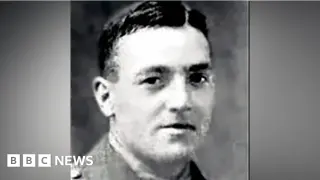
A military medal belonging to a soldier from Cheadle Hulme who died in the final week of World War I is being sold at auction. The item offers a tangible connection to the end of the Great War and the local history of the Manchester area.
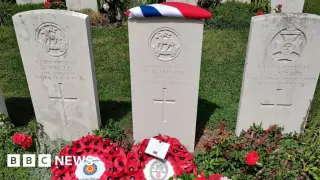
Two World War I graves at Hooge Crater Cemetery, once marked only by rank and 'Known unto God,' have finally been identified after more than a century. The Ministry of Defence's Joint Casualty and Compassionate Centre (War Detectives) matched Lance Corporal John Edgar Springate and Sergeant Ernest Albert Stevens using regimental records, diaries, and exhumation reports, leading to a rededication ceremony with family readings. The team continues to work through a backlog of cases swollen by pandemic-era interest in genealogy.
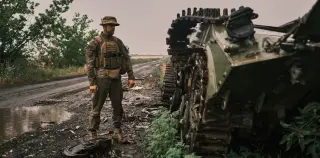
Russia’s invasion of Ukraine began in 2022 and has now surpassed World War I in duration, yet the wars differ: WWI featured broad mobilization and Western backing for Russia, while the Ukraine war has limited allies and a Kremlin-controlled home front. Ukrainian intelligence estimates about mid-2026 place roughly 1.8–2.0 million Russian soldiers who have fought in Ukraine, with around 1.2 million killed or wounded—a high casualty rate relative to those who served, but a much smaller share of Russia’s population than WWI’s. Technologically, Ukraine leads in data fusion and drones, while Russia still relies on legacy weapons and Iranian-made drones. The piece notes potential precursors to upheaval in Russia but argues a 1917-scale revolution remains unlikely, even as the war exposes governance, economic, and modernization vulnerabilities.
The war in Ukraine has now lasted longer than World War I. While not a perfect parallel, the piece argues the conflict resembles an endurance contest—relying on manpower, industrial capacity, economic resilience, and political will more than any single weapon. Artillery remains central, trench-like fortifications persist, and attrition drives the battlefield, with drone and precision-tech innovation largely offset by Russian and Ukrainian adaptations. Public casualty figures on both sides appear broadly similar rather than lopsided, and despite advances in technology, ground control still requires soldiers. The analysis suggests no rapid, decisive breakthrough is on the horizon, making this a protracted struggle of endurance.
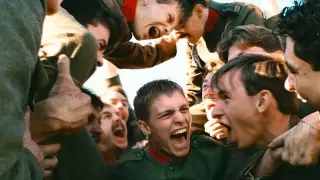
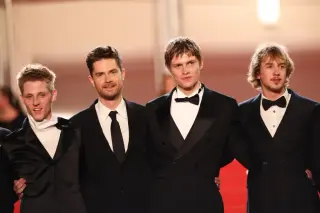
At Cannes, Lukas Dhont's Coward blends the Western Front’s brutality with a delicate romance between two Belgian soldiers, Pierre and Francis, as a drag-act morale project spirals into a powerful, intimate love story. The film’s lush visuals, strong performances, and refusal to rely on heavy tragedy mark a maturation of Dhont’s work, offering a sensory, emotionally charged take on queer identity set against war.
Lukas Dhont’s World War I drama Coward debuted at the Cannes Film Festival with a 13-minute ovation. The Belgian director’s second Cannes competition entry follows a front-line soldier named Pierre who, with Francis, stages a morale-boosting theatre show to escape war’s brutality. Inspired by a black-and-white photo of a cross‑dressed young man, the film explores bravery and self-expression. Mubi has acquired several territories ahead of the release, and Deadline’s Pete Hammond lauds it as a universal love story.
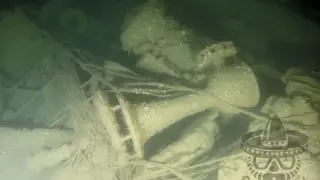
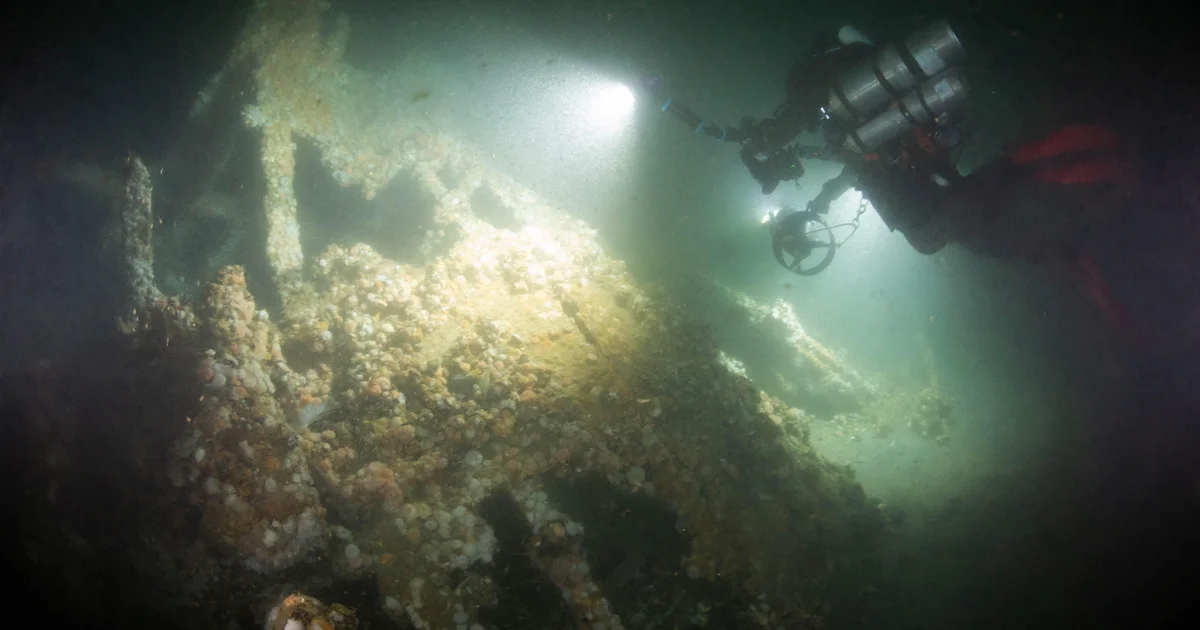
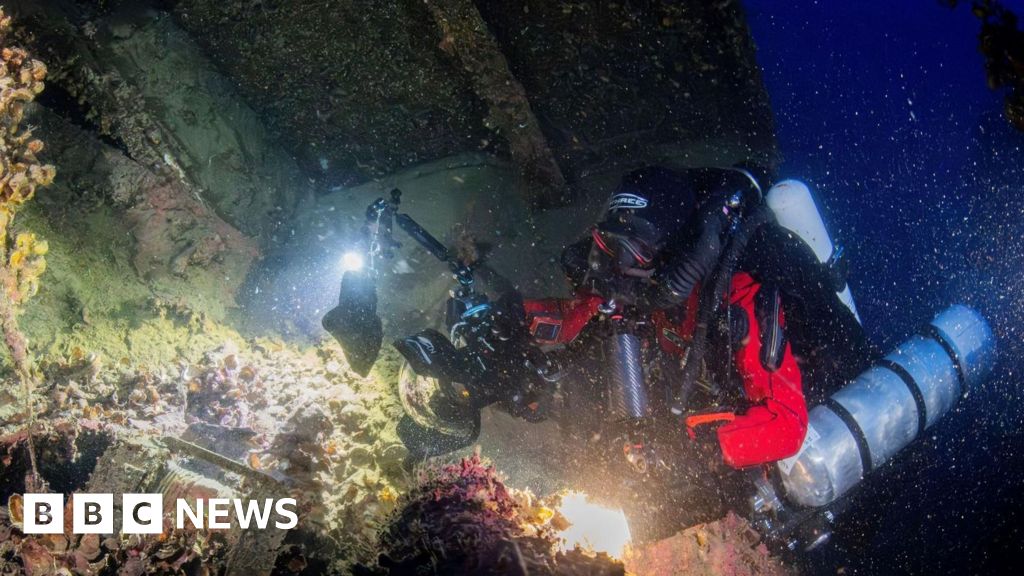
Divers have located the wreck of the U.S. Coast Guard Cutter Tampa, sunk in 1918 after a German torpedo off the Wales coast, marking the United States’ largest naval loss in World War I. Found by the Gasperados Dive Team at about 300 feet off Cornwall, the site holds 131 crew (111 Coast Guardsmen, 4 U.S. Navy sailors, 16 Britons; 11 of the deceased were Black). The Coast Guard confirmed the find and said it will mount further autonomous exploration to honor those who died.
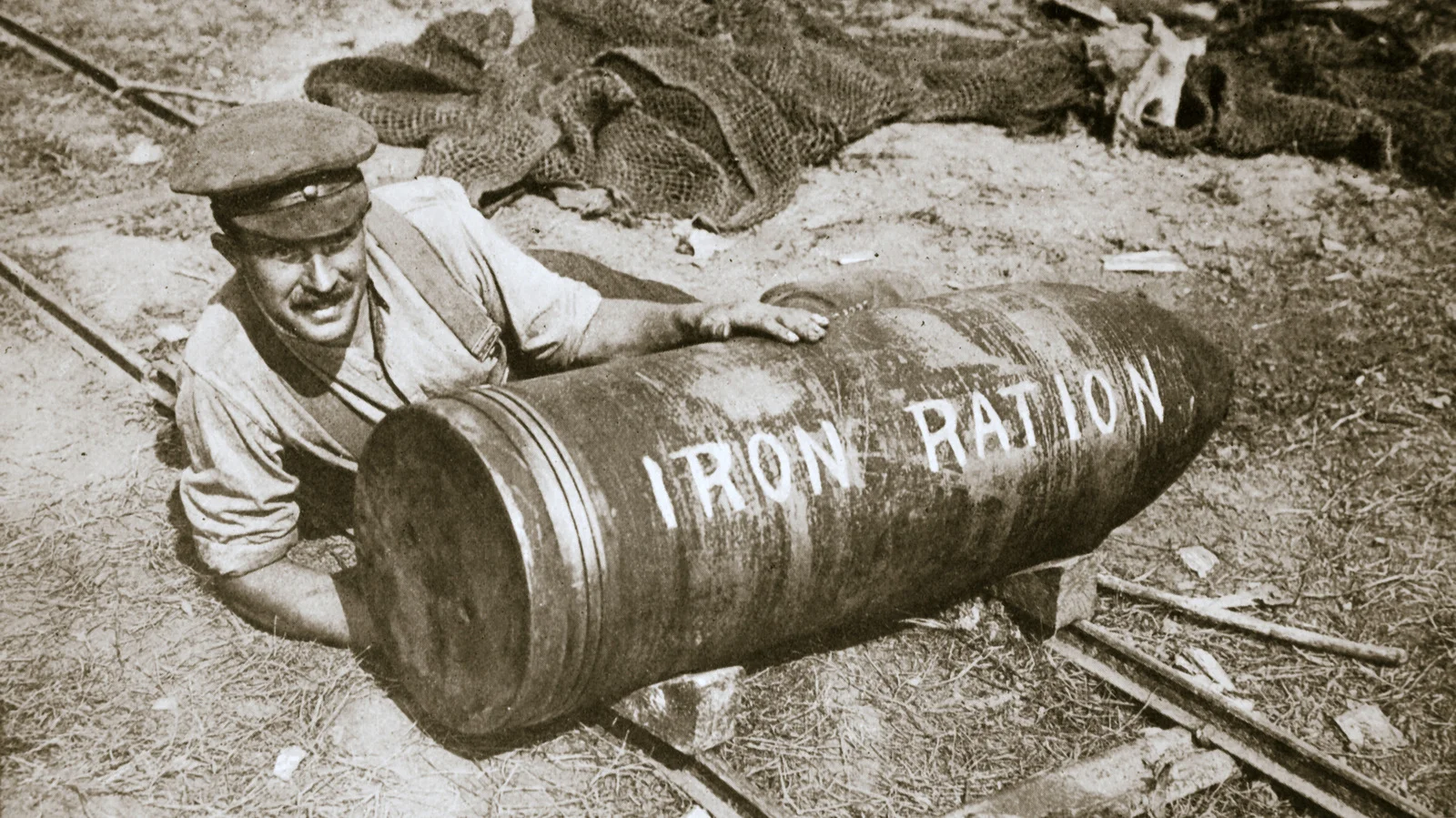
In Toulouse, doctors evacuated a hospital and summoned a bomb squad when an eight-inch live World War I artillery shell was found lodged in a 24-year-old man’s rectum; the shell was defused, the patient underwent emergency surgery, and prosecutors may pursue charges under France’s weapons legislation.
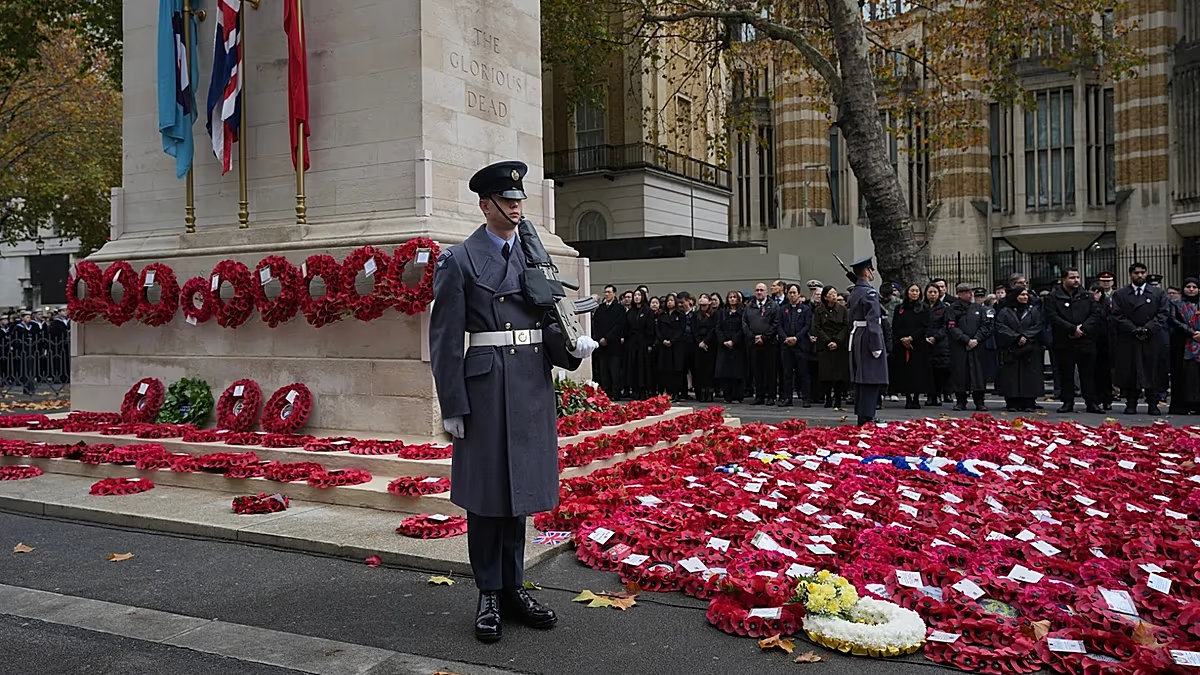
Europe commemorated Armistice Day with ceremonies honoring those who fought and died in World War I, including memorial unveilings in Belgium, tributes by French President Macron, and wreath-laying ceremonies in the UK, reflecting on the war's profound impact and the sacrifices made by soldiers and civilians.
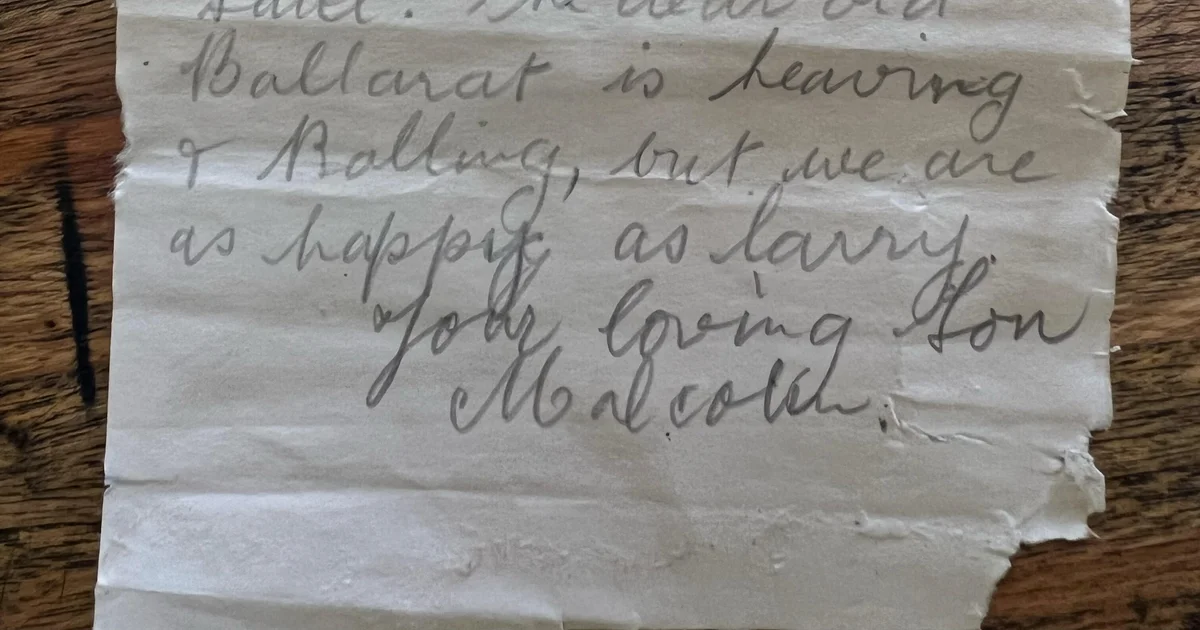
A message in a bottle written by Australian soldiers during World War I was found on an Australian beach over a century later, providing a rare glimpse into the soldiers' experiences and connecting their families to the past.
A team has identified a shipwreck off Nantucket as the WWI-era fishing boat Seiner, which sank nearly 100 years ago with 21 men aboard, using recent dives and sonar scans to confirm its identity, providing historical closure for the families of the lost crew.
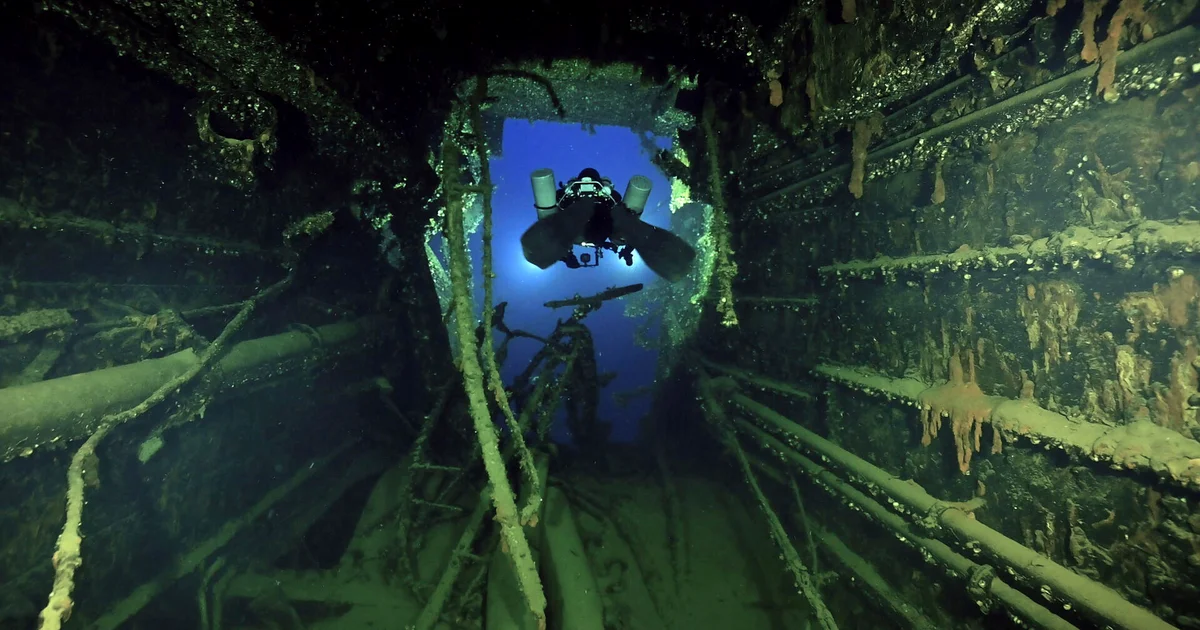
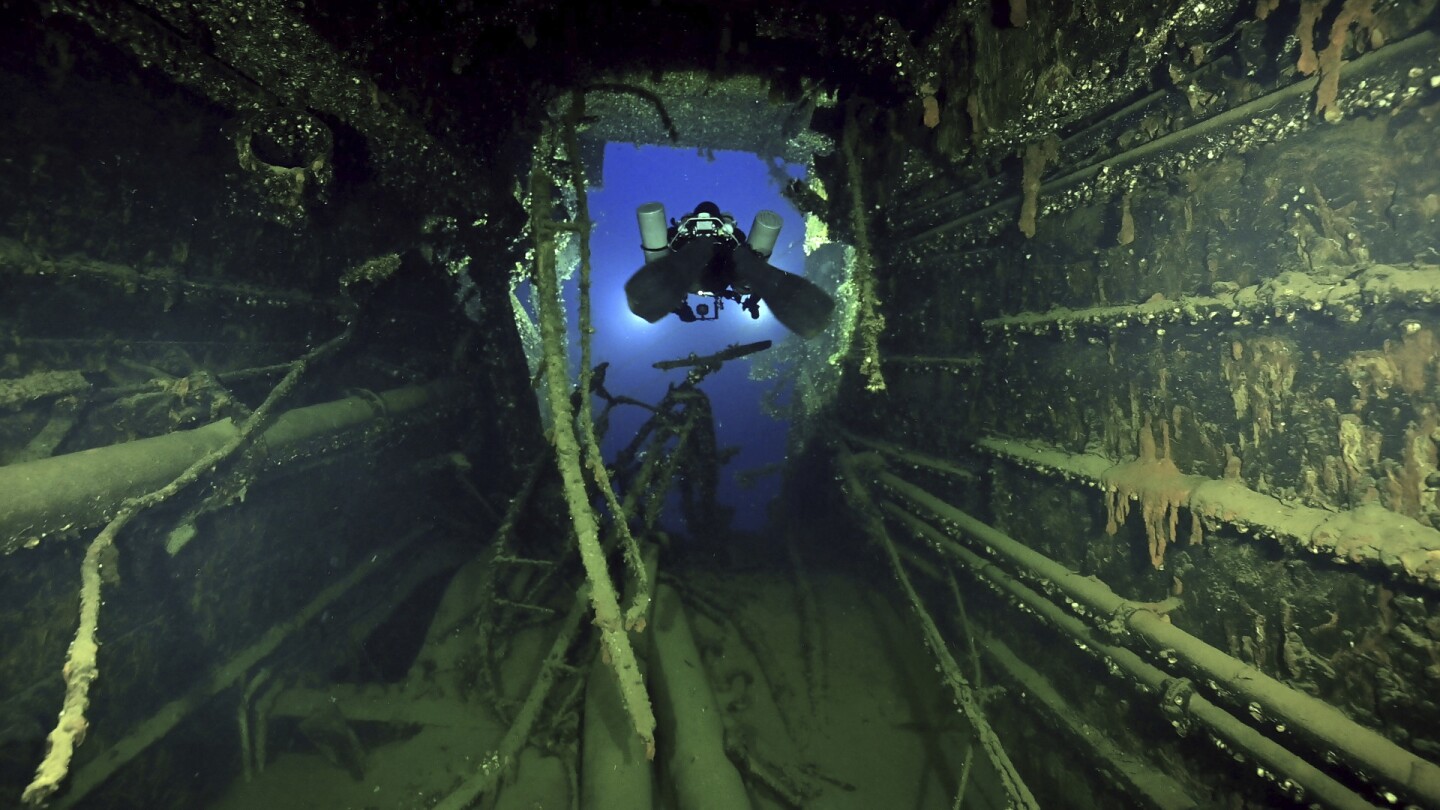
Divers have recovered artifacts from the wreck of Britannic, Titanic's sister ship, which sank in 1916 after hitting a mine during World War I, and these artifacts will be displayed in a new underwater museum in Greece.
Divers have for the first time recovered artifacts from the Britannic, Titanic's sister ship, which sank in 1916 after hitting a mine during World War I, including the ship’s bell and navigation light, and these items will be displayed in a new underwater antiquities museum in Greece.
Greece has recovered artefacts from the wreck of HMHS Britannic, Titanic's sister ship, sunk in 1916 during WWI, including a lookout bell and navigation equipment, which will be displayed at the National Museum of Underwater Antiquities.
Warframe, a sci-fi space ninja game, is exploring themes inspired by World War I in its upcoming expansion, The Old Peace, emphasizing human stories within war and conflict, and marking a tonal shift from its previous more humorous content.