
Marching Band’s Athletic Rigor Conflicts With Its Arts Classification
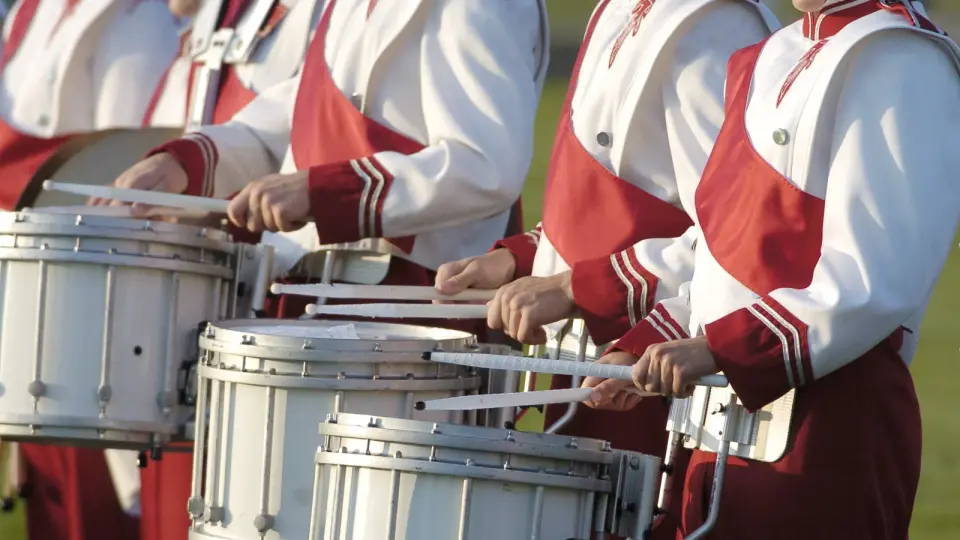
Marching band is not classified as a sport by the National Federation of State High School Associations (NFHS) because it is defined as a performing arts and music education activity, despite requiring significant physical conditioning. While the activity involves heavy instruments and intense cardio, its primary purpose is artistic performance rather than athletic competition. Professional drum corps groups emphasize the rigorous physical demands, noting that participants must undergo extensive training to avoid injury, yet the official classification remains rooted in its musical function.
Key points
- The NFHS does not classify marching band as a sport, categorizing it instead under performing arts and music education programs.
- Jordan Morey, manager of communications at the NFHS, states that while the activity requires teamwork and skill, its primary purpose is musical and artistic performance.
- Marching band involves substantial physical exertion, including carrying heavy instruments like tubas and bass drums, and performing movements that can burn more calories than elliptical workouts.
- Professional drum corps organizations, such as Drum Corps International, warn that members must prepare for five to six hours of intense physical exercise daily to prevent injuries.
- High school and college programs typically house marching bands within performing arts departments, excluding them from the benefits associated with official sports classifications.
Background
This discussion follows broader trends in how educational institutions categorize extracurricular activities. Previous coverage in our archive highlighted the increasing integration of technology in athletic monitoring, such as the Pixel Watch 5’s sport band and Garmin’s Cirqa fitness tracker, which emphasize precise physical metrics. While those devices focus on individual athletic performance, marching band represents a collective activity where physical rigor is secondary to artistic output, highlighting a distinct boundary between sports and performing arts in educational settings.
Why it matters
The classification of marching band affects funding, scheduling, and student recognition. By excluding it from the sports category, schools may overlook the significant physical health risks and conditioning required by participants. Recognizing the athletic demands of marching band could lead to better safety protocols, injury prevention resources, and equitable treatment of students who engage in high-intensity performing arts activities.
What to watch
Educators and administrators may continue to debate the classification of marching band as physical demands increase. Schools might adopt stricter safety guidelines and conditioning requirements for band members, mirroring those used in traditional sports, to mitigate injury risks. Professional drum corps groups may further advocate for recognition of their members' athletic status, potentially influencing how educational institutions view and support these programs.
Want the full story? Read the original reporting
Read on usatoday.com