
Theranos Whistleblower Accuses Holmes of Rigging New Documentary
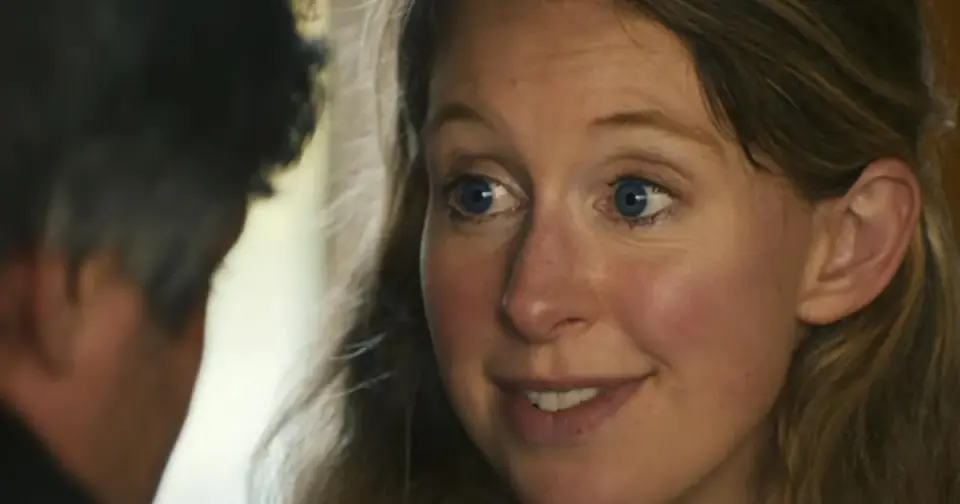
The documentary 'You Can See Everything' has become a box office phenomenon, grossing $15 million in its opening weekend and achieving near-perfect critical scores. However, former Theranos engineer Tyler Shultz argues the film is misleading. He claims Elizabeth Holmes manipulated director Nathan Fielder by showing a non-functional prototype device and a modest condo, rather than the actual technology used in fraud or her previous luxury residence. While critics praise the film’s artistic merit, Shultz warns it misrepresents the core of the scandal. The film is now facing unprecedented Oscar eligibility debates, with A24 campaigning it for Best Picture, a category no documentary has previously occupied.
Key points
- Tyler Shultz, a former Theranos research engineer and whistleblower, published an op-ed in Stat News arguing that 'You Can See Everything' is not a true documentary but a curated performance by Elizabeth Holmes.
- Shultz claims Holmes showed director Nathan Fielder a future, non-functional version of the blood-testing device, not the actual equipment used to provide inaccurate medical results to patients.
- The film grossed $15 million in its opening weekend, making it the second-highest-grossing documentary debut, and holds a 99 score on Metacritic.
- A24 has submitted the film for Best Picture, Director, and Supporting Actress (Amanda Seyfried) at the Academy Awards, a move that has sparked rule debates across major guilds.
- Shultz also noted that the film was shot in a modest two-bedroom condo, whereas Holmes had recently resided in a $125 million estate with her partner, Billy Evans.
Background
The controversy arises against the backdrop of the film’s massive commercial success and critical acclaim. Previous coverage noted that Shultz had already criticized the film on CBS Mornings for portraying Holmes as 'broken' rather than the commanding figure he knew. The film, directed by Nathan Fielder and Lance Oppenheim, chronicles Holmes’s final days of freedom and early weeks of imprisonment. It follows earlier media attention on Holmes’s partner, Billy Evans, who is launching a new blood-testing startup, Haemanthus, while raising their children.
How outlets are covering it
The Los Angeles Times and Stat News highlight Shultz’s argument that Holmes manipulated the filmmakers, emphasizing the discrepancy between the device shown in the film and the one used in fraudulent operations. The New York Times focuses on the film’s box office performance, noting it sold out over 2,000 shows, and contrasts its success with Paramount’s 'Street Fighter.' Vulture provides a behind-the-scenes look at director Lance Oppenheim’s process, describing his 'docufantasia' style and how he secured the project through cold emails and A24’s funding. Variety analyzes the film’s unprecedented Oscar eligibility, noting that while it is eligible for Best Picture and acting categories, it faces hurdles at the Golden Globes and SAG Awards due to its documentary classification. The outlets differ in focus: LA Times and Stat News emphasize the ethical and factual accuracy of the documentary, while NY Times and Vulture focus on its cultural impact and production, and Variety focuses on its awards trajectory.
Why it matters
The dispute over 'You Can See Everything' challenges the boundaries of documentary filmmaking and the reliability of subjects in true-story adaptations. If the film wins Best Picture, it would be the first documentary to do so, potentially redefining how nonfiction narratives are categorized and rewarded in the industry. The whistleblower’s critique raises questions about the ethics of filming convicted criminals and the potential for subjects to manipulate the narrative, even within a controlled, high-budget production. This debate also impacts the broader discourse on the Theranos scandal, as it questions whether the public’s understanding of the fraud is being shaped by a curated, rather than a factual, account.
What to watch
The film’s Oscar campaign will proceed through the Critics Choice Awards and Directors Guild of America, where it is eligible for top prizes. The Academy Awards will determine if the film can be nominated for Best Picture, a historic first for a documentary. Meanwhile, the debate over the film’s accuracy may continue to influence public perception of the Theranos scandal and the role of whistleblowers in exposing corporate fraud. The film’s success may also encourage other studios to pursue hybrid documentary-drama projects, blurring the lines between fiction and nonfiction in cinema.
- ‘You Can See Everything’: Theranos whistleblower says Elizabeth Holmes is ‘still lying’ Los Angeles Times
- Elizabeth Holmes Film Opens to Over 2,000 Sold-Out Shows The New York Times
- The 30-Year-Old Behind You Can See Everything Vulture
- ‘You Can See Everything’ Sets Oscar Campaigns for Best Picture, Supporting Actress and More Categories Variety
- Reporter who exposed Theranos loves new Elizabeth Holmes film but warns not to forget her fraud Fortune
Want the full story? Read the original reporting
Read on Los Angeles Times