
Bipartisan Effort Advances 20% Federal Film Tax Credit Amid Midterm Delays
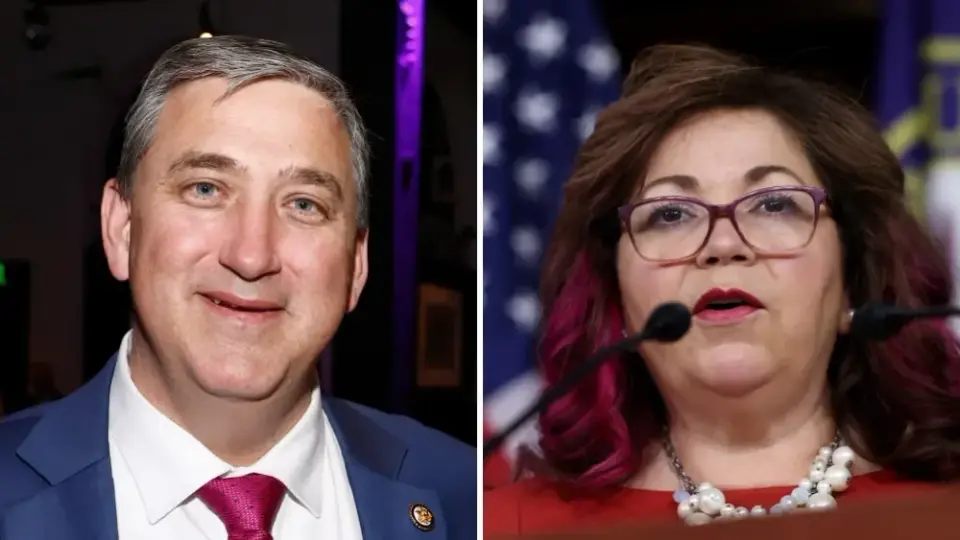
Congress is drafting a 20% federal tax credit for film and TV production, endorsed by President Trump. The bill, led by bipartisan lawmakers, aims to compete with international subsidies but faces procedural hurdles and timing challenges before the November election.
Key points
- Rep. Nathaniel Moran (R-TX) and Rep. Linda Sanchez (D-CA) are drafting the legislation with support from Rep. Laura Friedman (D-CA) and Rep. Brian Jack (R-GA).
- The proposed credit covers 20% of labor costs, with potential uplifts to 30% for rural filming, independent productions, or spending across multiple states.
- President Trump endorsed the measure on August 31, arguing it will generate significant economic returns despite the cost.
- The bill must pass through the Joint Committee on Taxation, a process that may delay enactment until after the November election.
- Supporters argue the incentive will revitalize rural areas and retain jobs, while critics question the efficacy of federal subsidies compared to state-level efforts.
Background
This development follows months of advocacy by the Motion Picture Association and entertainment unions, who have long sought a federal incentive to match subsidies offered by countries like the UK, Canada, and Australia. In early September, President Trump publicly urged Congress to pass the measure, citing the loss of approximately 49,000 entertainment jobs since 2022. Senator Adam Schiff, a key proponent, has worked to build bipartisan support, though legislative timelines remain uncertain due to the upcoming midterm elections and the need for a cost analysis by the Joint Committee on Taxation.
How outlets are covering it
Variety emphasizes the bipartisan nature of the effort and the specific mechanics of the bill, including the 20% base credit and potential uplifts. Deadline highlights the ongoing negotiations and the involvement of the White House, noting that while the bill is close, procedural hurdles remain. The Washington Post’s editorial board criticizes the federal incentive, arguing it fails to address the root causes of production leaving California and instead doubles down on failed state-level plans. The outlets differ on the likelihood of passage before the election, with Variety and Deadline expressing cautious optimism, while the Post remains skeptical of the policy’s effectiveness.
Why it matters
The potential passage of a federal film tax credit could reshape the U.S. entertainment industry by incentivizing domestic production and supporting rural economies. However, the bill’s success depends on navigating complex legislative procedures and political timelines, with significant implications for job retention and industry competitiveness against international subsidies.
What to watch
The bill is expected to be introduced in late September or early October. It must undergo a cost analysis by the Joint Committee on Taxation, which could delay its passage until after the November election. Supporters are optimistic about a lame-duck session vote, but procedural and political challenges remain.
- Congress Begins Drafting 20% Federal Film Incentive With Trump’s Blessing (EXCLUSIVE) Variety
- Opinion | Hollywood loves to hate Trump. But it loves money more. The Washington Post
- Trump’s push for film tax credit finds receptive audience in Democrats thehill.com
- Opinion | Handouts for Hollywood—Really? wsj.com
- Federal Film & TV Tax Credits Not A Done Deal, Adam Schiff Says; White House Involved: “Negotiations Are Ongoing” Deadline
Want the full story? Read the original reporting
Read on Variety