
Blade Runner 2099 premieres with inverted power dynamics and mixed critical reception
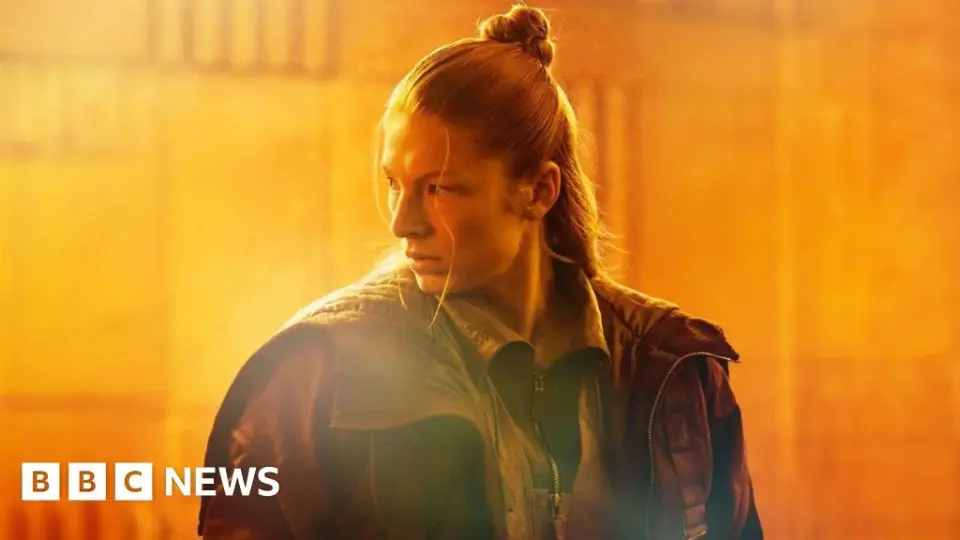
The eight-episode limited series Blade Runner 2099 launched on Prime Video on November 25, 2026. Set 50 years after the 2049 film, the show depicts a Los Angeles where replicants have overthrown humans and now enforce the law. Hunter Schafer stars as Cora, a human fugitive posing as a replicant blade runner, while Michelle Yeoh plays Olwen, a replicant detective nearing her retirement date. Critics praised the visual design and performances but criticized the pacing and length.
Key points
- The series inverts the franchise's power dynamics, showing replicants as the dominant law enforcement and humans as fugitives.
- Hunter Schafer plays Cora, a human infiltrating replicant ranks, while Michelle Yeoh plays Olwen, a veteran replicant detective.
- The show is set 50 years after Blade Runner 2049, in a dystopian Los Angeles where human memories are valuable contraband.
- Critics praised the visual design, score, and performances, but criticized the pacing and length, noting it feels overstretched for its eight-episode runtime.
- Showrunner Silka Luisa stated the series is not just about AI but about the broader question of what the world will be in 15 years.
Background
Blade Runner 2099 is the first television expansion of the franchise, following the 1982 film and the 2017 sequel Blade Runner 2049. The original film, directed by Ridley Scott, is considered a sci-fi classic that depicted a dystopian Los Angeles in 2019. The 2049 sequel, directed by Denis Villeneuve, scored well with reviewers but reportedly did not hit box office targets. The new series was filmed at Barrandov Studio in Prague in 2024, with hundreds of cast and crew members working on nine stages.
How outlets are covering it
BBC Newsbeat emphasized the series' relevance to young people inheriting a world with similar questions, with Hunter Schafer noting the show is timely. The Guardian praised the visual beauty and atmospheric mood, calling it a fear-of-discovery thriller and political allegory, but noted it could have conformed more to an episodic structure. Rotten Tomatoes aggregated mixed reviews, with some critics calling it one of the most unexpectedly great series of the year, while others criticized the pacing and length, noting it feels overstretched for its eight-episode runtime. The New York Times focused on the production design, highlighting the hot and sticky Los Angeles set built in Prague. There is disagreement on the show's length, with some critics praising the expanded mythology and others criticizing the padding and slow pacing.
Why it matters
The series tests the viability of the Blade Runner franchise in a television format, expanding the mythology and worldbuilding to new places. It also reflects current anxieties about AI and artificial consciousness, with the show's themes of technological progress and existential threats resonating with contemporary concerns. The mixed critical reception highlights the challenges of adapting a visually rich but potentially slow-paced franchise to a longer format.
What to watch
The series is available on Prime Video from November 25, 2026. While billed as a limited series, it leaves the door open for more stories. Future developments may include potential video game adaptations, given the rich visual design, or further expansions of the Blade Runner universe in other media.
- Blade Runner 2099 not just about AI, say star Hunter Schafer and series creator BBC
- Blade Runner 2099 review – every scene of this TV version is packed with terrifying visual beauty The Guardian
- Blade Runner 2099 First Reviews: Hunter Schafer Shines in a Fresh Take on Familiar Material Rotten Tomatoes
- ‘Blade Runner 2099’ Review: Replicating a Sci-Fi World on Prime WSJ
- In ‘Blade Runner 2099,’ the Future Is Hot and Sticky The New York Times
Want the full story? Read the original reporting
Read on BBC