
Conan O'Brien Says He Left Late Night to Avoid Being 'Asked to Leave'
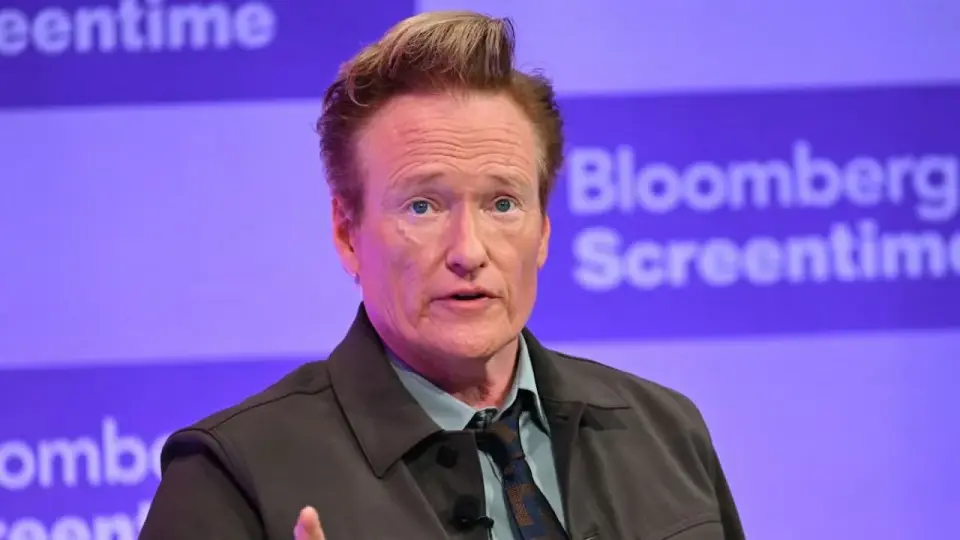
Conan O'Brien revealed at the Bloomberg Screentime conference that he chose to end his TBS show in 2021 after 28 years, rather than waiting for the 30-year mark, because he perceived the late-night landscape was shifting. He described leaving before being 'asked to leave' as an Irish tradition. O'Brien noted that while networks claim late night is no longer economically viable, he finds his current podcasting situation more comfortable due to better margins and a smaller, crucial team.
Key points
- O'Brien stated he decided to exit late night after 28 years across NBC and Turner, rather than reaching the 30-year milestone, as he could see the industry changing.
- He compared his decision to leaving a party before being asked to leave, citing Irish tradition.
- O'Brien explained that late night originated in the late 1940s when networks filled unused airtime, creating a monopoly that eventually faced competition from other networks like HBO and Cinemax.
- He acknowledged that cost-cutting measures were necessary as the industry evolved, comparing the shift to the automotive industry in Detroit.
- O'Brien noted that late night now competes with hundreds of millions of daily video uploads, making the traditional model difficult to sustain.
- He expressed satisfaction with his current podcasting career, citing fantastic margins and a sense of crucial role for every team member.
Background
This statement comes amid a broader industry shift where late-night television is facing significant economic pressure. Recent developments include Stephen Colbert's departure from 'The Late Show' in May 2026 and Jimmy Kimmel's announced end to his ABC run after the 2027 season. Industry reports indicate that budget cuts, plunging ad revenue, and the rise of digital platforms are forcing traditional late-night formats to adapt or decline, with some hosts moving to online venues or leaner productions.
Why it matters
O'Brien's comments highlight the structural changes in television, where traditional late-night models are being replaced by digital content and cost-conscious strategies. His transition to podcasting reflects a broader trend among media figures seeking more sustainable and profitable formats in a changing landscape.
What to watch
The late-night television landscape is expected to continue shifting, with more hosts potentially moving to digital platforms or ending their runs as networks cut costs. The industry may see a further decline in traditional broadcast late-night shows, with a focus on online-first formats and leaner productions.
Want the full story? Read the original reporting
Read on thewrap.com