
Anderson Calls Salt Path Controversy a 'Betrayal' as Film Faces US Release
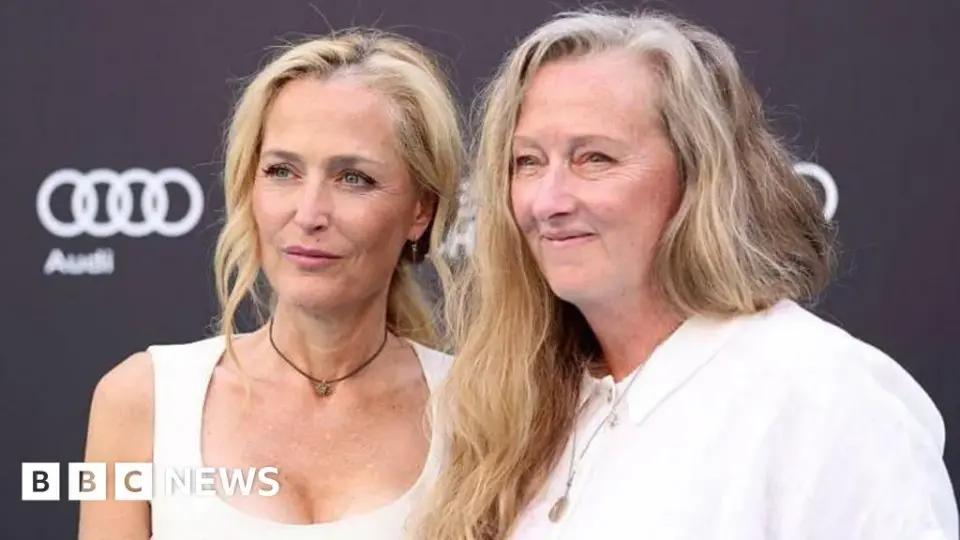
Gillian Anderson has described the controversy surrounding the memoir The Salt Path as a 'betrayal' after spending time with the author, Raynor Winn. Anderson, who starred in the 2025 film adaptation alongside Jason Isaacs, expressed disappointment that allegations of fabrication emerged just as the film was securing US distribution. While the original UK release was clouded by these claims, the film is now scheduled for a North American release in September via Rialto Distribution, despite the withdrawal of a previous deal with Sony.
Key points
- Anderson stated that the controversy felt like a 'betrayal' because she had spent time with the Winns and was surprised by the film's initial success.
- The Observer investigation in 2025 questioned the accuracy of the memoir, specifically regarding how the couple lost their home and the diagnosis of Moth Winn's neurological condition.
- Sony withdrew from the US distribution deal around the time the Observer article was published, according to Anderson.
- The film is set to be released in the United States on September 4 by Rialto Distribution, having been delayed from an original May date.
- Jason Isaacs defended the film, stating that while some facts are questioned, the movie remains 'beautiful' and 'completely valid' in many respects.
Background
The Salt Path, a 2018 memoir by Raynor Winn, became a best-seller and was adapted into a film in 2025. The book claimed to be a true story of the couple's walk along the South West Coast Path after losing their home. Recent investigations have raised questions about the factual accuracy of these claims, including the nature of the legal dispute that led to their homelessness and the medical history of Moth Winn. Additionally, it was revealed that Winn had previously published a book under a pseudonym, contradicting her status as a debut writer.
How outlets are covering it
BBC and HuffPost UK report that Anderson felt a sense of betrayal and disappointment, noting that she had not heard from the Winns since the controversy began. The Telegraph, while inaccessible, is cited in the context of legal statements from the Winns' team. The Observer, which conducted the investigation, highlighted discrepancies in the memoir, including claims about the cause of the couple's homelessness and the medical diagnosis of Moth Winn. Penguin, the publisher, stated they had conducted due diligence but had not received concerns prior to the Observer's enquiry. Anderson and Isaacs have since spoken about the controversy, with Anderson questioning the due diligence process and Isaacs supporting the US release despite the issues.
Why it matters
The controversy highlights the complexities of adapting memoirs into films and the potential impact of factual disputes on distribution and public perception. It also raises questions about the due diligence processes of publishers and distributors when dealing with autobiographical works. The delayed US release and the withdrawal of the Sony deal demonstrate the financial and reputational risks associated with such controversies.
What to watch
The film is scheduled for release in the United States on September 4 via Rialto Distribution. Anderson and Isaacs are expected to engage in publicity for the US release, despite the ongoing controversy. The Winns' legal team has indicated they are taking legal advice, and further developments may depend on the outcome of any legal proceedings or public statements from the author.
- Gillian Anderson felt 'betrayed' by The Salt Path allegations after appearing in adaptation BBC
- Gillian Anderson Says Sony Exited ‘The Salt Path’ Distribution Deal After Authors’ ‘Fabrications’ Exposed: ‘It Felt Like Such a Betrayal’ Yahoo
- Gillian Anderson Admits The Salt Path Controversy 'Felt Like Such A Betrayal' HuffPost UK
- Gillian Anderson: I felt betrayed by Salt Path scandal The Telegraph
- Gillian Anderson Breaks Silence on Sony’s Sudden Exit from ‘The Salt Path’ amid Scandal Fallout IMDb
Want the full story? Read the original reporting
Read on BBC