
Gibney’s ‘Musk’ Premieres to Ovation as Billionaire Threatens Defamation Suit
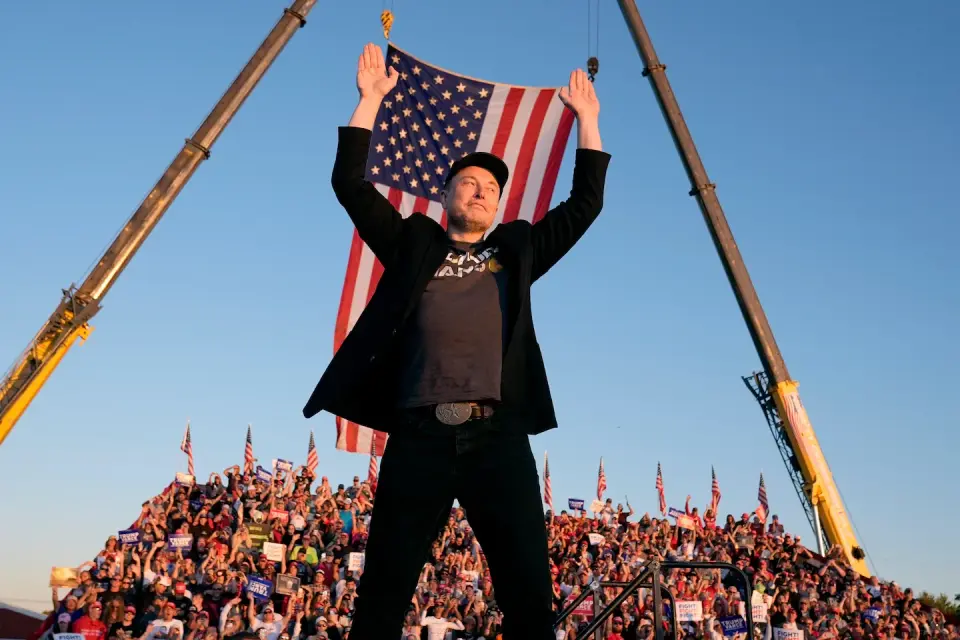
Alex Gibney’s four-hour documentary 'Musk' premiered at the Venice Film Festival to a five-minute standing ovation, drawing fierce backlash from Elon Musk. The film portrays the tech billionaire as a 'confidence man' rather than an inventor, utilizing AI avatars and archival footage since Musk refused interviews. Musk has labeled the film a 'hit piece' and 'psy op,' while his attorney threatens a defamation lawsuit over claims linking Starlink to the 2024 election. The documentary is set for a U.S. theatrical release on October 16, followed by a streaming debut on HBO Max.
Key points
- The documentary, produced by Jigsaw Productions, received a five-minute standing ovation at Venice but faces legal threats from Musk’s attorney, Alex Spiro.
- Gibney portrays Musk as a stock-pumping 'confidence man' similar to Enron and Theranos figures, rather than a visionary inventor.
- Musk denies claims that he offered ex-partner Ashley St. Clair $40 million for an NDA and accuses the film of fabricating facts.
- The film includes an AI-enhanced avatar of Musk, reflecting his belief in simulation theory, and features interviews with AI expert Geoffrey Hinton.
- Critics note the film’s length and focus on Musk’s personal life, while supporters praise its exposure of unchecked power and potential election interference.
Background
This follows earlier coverage of the documentary’s Venice debut and Musk’s initial legal threats. Previous reports highlighted the film’s structure, including its split between pre- and post-COVID eras, and its use of AI avatars. The current situation escalates with formal legal notices and intensified public disputes on social media.
How outlets are covering it
The Washington Post emphasizes the film’s critical tone and Musk’s accusations of a 'hit list.' The Guardian highlights Musk’s aggressive social media response, including conspiracy theories about George Soros and the Democratic Party. The Los Angeles Times focuses on the legal threats and the film’s reception at festivals, noting the parallel with the Elizabeth Holmes documentary. Slate provides a deeper analysis, arguing the film reveals Musk’s consistent behavior rather than a sudden 'snap,' and critiques the focus on individual power over systemic issues. All sources agree on the film’s controversial nature and the legal dispute, but differ in emphasis on the film’s artistic merit versus its political implications.
Why it matters
The documentary challenges the narrative of Musk as a benevolent innovator, exposing potential conflicts of interest and unchecked power. The legal threats and public dispute highlight the tension between media scrutiny and billionaire influence, with implications for free speech and defamation law. The film’s release may influence public perception of Musk’s role in politics and technology, particularly regarding AI and election integrity.
What to watch
The documentary is scheduled for a U.S. theatrical release on October 16, followed by a streaming debut on HBO Max. Musk’s attorney has issued a formal defamation notice, and the outcome of potential legal action will be closely watched. The film’s reception in theaters and on streaming platforms will determine its cultural impact and whether it shifts public opinion on Musk.
- ‘Musk’ film is almost four hours long, engrossing and terrifying. What to know. The Washington Post
- Elon Musk threatens to sue over Gibney documentary's "space lasers" claim NPR
- Elon Musk attacks film-maker behind documentary about him The Guardian
- Commentary: Elon Musk threatens to sue over a new doc about him. But the film festival crowd loves it Los Angeles Times
- Some People Think Elon Musk Snapped. The Controversial Four-Hour Documentary About Him Suggests Something Else. Slate
Want the full story? Read the original reporting
Read on The Washington Post