
Black Zombie: A 10-Year Effort to Reclaim Haitian Horror History
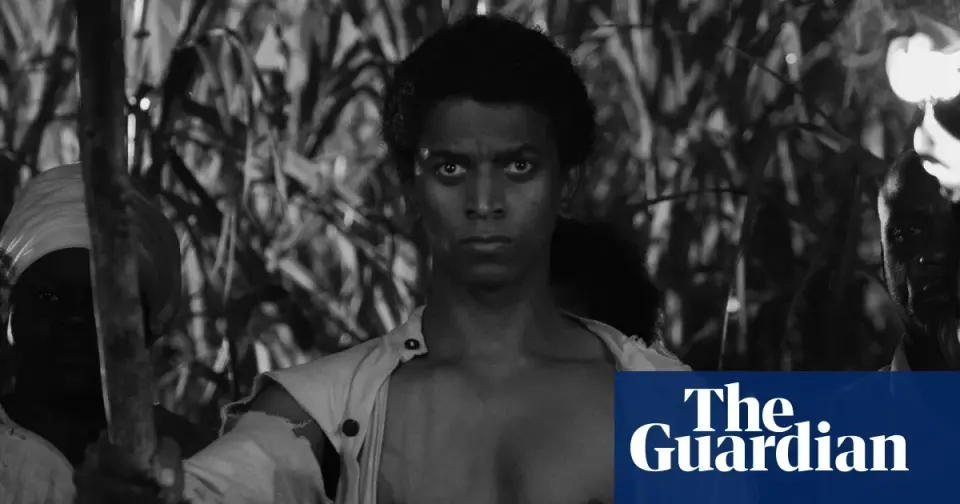
The documentary 'Black Zombie' argues that Hollywood’s zombie genre is a product of colonial erasure and racist disinformation. Directed by Maya Annik Bedward, the film traces the concept from Haitian Vodou traditions to 1929 travelogues and 1932 films, highlighting how white media distorted Black spiritual practices into monsters. The film, which took over a decade to produce, connects historical cultural theft to modern anti-Haitian racism and immigration policies.
Key points
- The documentary 'Black Zombie' premiered at SXSW and released in US theaters on September 11, 2026.
- It argues that the modern zombie is a distorted version of Haitian Vodou concepts, specifically the 'zombie' as a victim of forced labor and dispossession.
- The film identifies William Seabrook’s 1929 book 'The Magic Island' as the origin of the English term 'zombie' and the start of cultural extraction.
- Director Maya Annik Bedward spent over 10 years making the film, facing delays due to the pandemic and the 2021 assassination of Haitian President Jovenel Moïse.
- The documentary features interviews with experts like Tananarive Due, Tom Savini, and Haitian Vodou practitioners, emphasizing the need to correct historical narratives.
Background
This release arrives amid heightened tensions regarding Haitian immigration in the US. Recent archive coverage notes that the end of Temporary Protected Status (TPS) has caused fear and economic strain in communities like Little Haiti, with advocates warning of deportation risks. The documentary’s themes of cultural erasure and dehumanization resonate with current political rhetoric, including false claims by officials regarding Haitian migrants, which the film explicitly critiques as part of a broader pattern of soft power violence.
How outlets are covering it
The Guardian frames the film as a 'restoration and correction' against colonial erasure, linking the zombie’s history to a 'canon of racist disinformation' similar to 'The Birth of a Nation.' It emphasizes the metaphorical weight of the zombie as a tool for statecraft and guilt avoidance. A.V. Club focuses on the genre’s stagnation, arguing that the 'new zombie boom' ignores its roots and that the film offers a necessary reckoning with the 'oldest ideas in zombie fiction.' Bloody Disgusting highlights Bedward’s personal journey, noting she had no prior interest in horror and that the film was a 'thank you to Haiti,' while also detailing the logistical challenges of filming in the Dominican Republic due to instability in Haiti. UPI summarizes the director’s intent to inform audiences about the cultural origins of the zombie, framing it as an appreciation for Haitian culture and a response to ignorance of history. All sources agree on the film’s core argument but differ in emphasis: The Guardian focuses on systemic racism, A.V. Club on genre evolution, Bloody Disgusting on the production process, and UPI on cultural education.
Why it matters
The documentary challenges the foundational myths of a major Hollywood genre, exposing how cultural appropriation has shaped popular media for nearly a century. It connects historical erasure to contemporary political violence, suggesting that dehumanizing narratives like the zombie trope facilitate real-world harm, such as immigration crackdowns. By centering Haitian voices and Vodou practitioners, the film offers a counter-narrative that demands recognition of the origins and true meaning of the zombie, impacting how audiences and filmmakers approach horror in the future.
What to watch
The film is currently in US theaters, with UK and Australia releases expected to follow. The ongoing debate around Haitian immigration and TPS will likely continue to influence public discourse, potentially amplifying the documentary’s message about the consequences of cultural erasure and false narratives. Future zombie films may face pressure to engage more deeply with their historical and cultural roots, as the genre seeks new directions beyond post-apocalyptic tropes.
- ‘An embodiment of white fears’: how zombies went from Haitian spiritual tradition to Hollywood monsters The Guardian
- ‘Black Zombie’ Review: Reclaiming Horror’s Haitian Roots The New York Times
- The new zombie boom should learn something from Black Zombie A.V. Club
- 'Black Zombie' Director Maya Annik Bedward On The 10-Year Journey To Uncover The Zombie’s Origins Bloody Disgusting
- Zombie movie doc 'a thank you to Haiti' says director upi.com
Want the full story? Read the original reporting
Read on The Guardian