
Archival Docs Reanimate Voices of Edward Said and Iranian Revolution
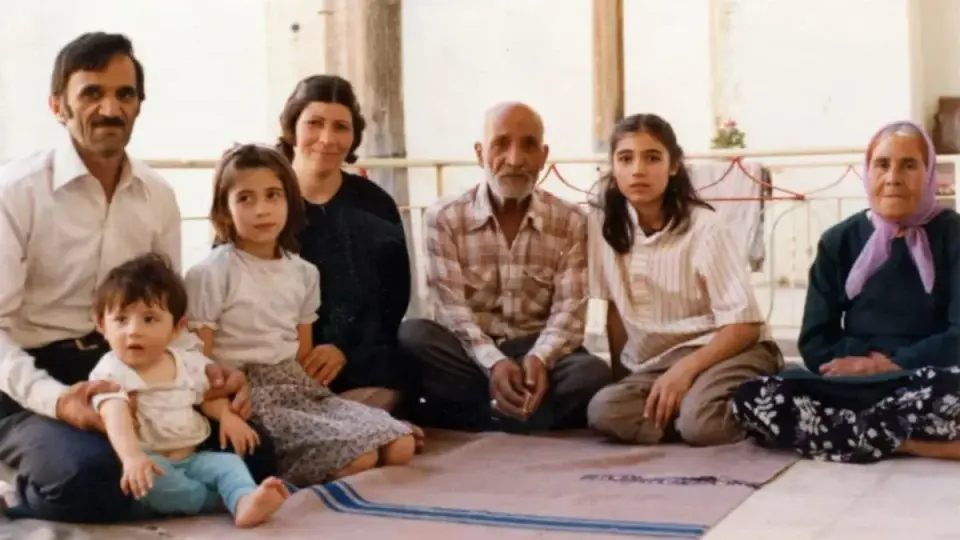
Two new documentaries, 'Edward Said: Between Worlds' and 'Rehearsals For A Revolution,' utilize extensive archival audio and video to reconstruct the lives and political struggles of Palestinian scholar Edward Said and various Iranian family members. Released by Sony Pictures Classics, these films aim to restore historical context to current conflicts in the Middle East by centering personal memories and voices that are often excluded from mainstream news coverage.
Key points
- Maiken Baird's 'Edward Said: Between Worlds' is composed entirely of archival interviews, lectures, and broadcasts, using the late scholar's own voice to narrate his life from birth in Palestine to his academic career in New York.
- Pegah Ahangarani's 'Rehearsals For A Revolution' is structured in five chapters, each focusing on a different family member to illustrate different eras of Iranian history, from the 1979 revolution to recent government crackdowns.
- The film 'Rehearsals For A Revolution' features a chapter on Ahangarani's uncle Rashid, a student activist who was tortured and later died by suicide, with his surviving tape recorder providing a rare glimpse of his pre-arrest optimism.
- Both documentaries highlight the scarcity of Palestinian and Iranian voices in current media, noting that social media is often the only platform for these narratives due to shadow bans and digital repression.
- The films connect past conflicts to present-day issues, emphasizing how historical patterns repeat and providing context for the current siege on Palestinian and Iranian cultures.
Background
These documentaries arrive amidst ongoing tensions in the Middle East, where Palestinian and Iranian communities face renewed conflict. The archive notes previous political stunts by the US administration regarding geographic names, such as the proposed renaming of New Mexico to 'New America,' which underscores the broader context of political theater and contested narratives in the region. However, the focus here is on cultural and historical reclamation through film rather than political renaming.
Why it matters
By relying on archival material, these films bypass current media silences and digital censorship, offering a direct, unfiltered connection to the past. They serve as a counter-narrative to the immediate, often decontextualized news cycle, allowing audiences to understand the deep-rooted causes of current conflicts through the personal experiences of those who lived them.
What to watch
The films are currently in release, with 'Possible Love' by Lee Chang-dong also noted as a relevant thematic piece on economic anxiety, though it is distinct from the Middle Eastern focus. The impact of these documentaries will likely be measured by their ability to sustain attention on historical context amidst ongoing geopolitical crises.
Want the full story? Read the original reporting
Read on A.V. Club