
Fielder Admits Confusion Over Holmes’ Choice, While Critics Debate Film’s Genre and Oscar Potential
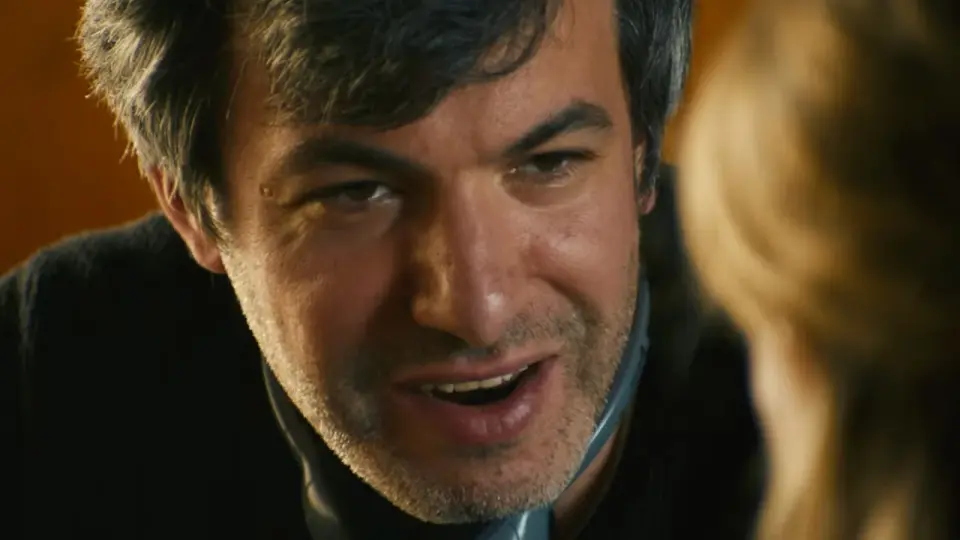
Nathan Fielder stated at a Savannah Film Festival Q&A that he remains unaware why Elizabeth Holmes and Billy Evans selected him and Lance Oppenheim to direct their documentary. The film, which chronicles Holmes’s final 34 days of freedom, has become a box office phenomenon, grossing $45 million and sparking debate over whether it qualifies as a documentary or a unique hybrid genre.
Key points
- Fielder told attendees at the Savannah Film Festival that he still does not understand why Holmes and Evans chose him, joking that he would not want to be present for his own final moments of freedom.
- The documentary, released on October 16, has grossed $45 million in two weeks, marking the biggest opening weekend for a documentary since 2004’s 'Fahrenheit 9/11.'
- A24 is reportedly campaigning for the film in Best Picture, Best Supporting Actress, and Best Documentary categories, though industry insiders question its eligibility within the documentary branch.
- The film features Amanda Seyfried in a surprise role, reenacting interactions with Holmes, which has blurred the lines between reality and performance for audiences.
- Critics and documentarians are divided on whether the film’s unconventional, meta-narrative structure disqualifies it from traditional documentary categories or represents a new genre.
Background
The film follows Elizabeth Holmes in the month before her 11-year prison sentence for fraud. Previous coverage noted that Amanda Seyfried’s involvement was kept secret until the film’s release, and that the documentary’s ambiguous structure has generated significant cultural discussion, particularly regarding the dynamics between the subjects and the filmmakers.
How outlets are covering it
TheWrap highlights Fielder’s public confusion regarding his selection, noting that Holmes and Evans provided little explanation for their choice. The Atlantic frames the film as a parable of 'radical transparency,' comparing Holmes’s attempt to control the narrative to Donald Trump’s media strategy. The Verge emphasizes that the film’s purpose was not to relitigate Theranos’s failures but to explore the ambiguity of truth. The New York Times focuses on the film’s Oscar prospects, noting that while it may compete for Best Picture, the documentary branch may resist its unconventional format and commercial success. Industry figures like Joe Berlinger and Marina Zenovich argue that the film’s manipulative nature and commercial appeal may hinder its chances in the documentary category, despite its critical acclaim and box office performance.
Why it matters
The film’s success challenges traditional definitions of documentary filmmaking and raises questions about how the Academy Awards will handle hybrid genres. Its box office performance and cultural impact suggest a shift in audience preferences for meta-narratives that blur the lines between reality and performance.
What to watch
A24 is expected to continue its Oscar campaign, potentially including Amanda Seyfried in the Best Supporting Actress category. The film’s expansion to 2,655 theaters and its continued box office performance will determine if it can surpass 'Fahrenheit 9/11' as the highest-grossing documentary of all time.
- Nathan Fielder Offers Blunt Response to Why Elizabeth Holmes and Billy Picked Him to Document Their Lives TheWrap
- The Illusion of ‘Radical Transparency’ The Atlantic
- You can see every red flag in Theranos 2.0 The Verge
- Could ‘You Can See Everything’ Be Up for Best Picture but Not Documentary? The New York Times
- Elizabeth Holmes mania: how the buzziest film of the year has resurrected a gut-twisting TV drama The Guardian
Want the full story? Read the original reporting
Read on TheWrap