
Fielder’s 'Kill Switch' Clause Freed 'You Can See Everything' From Commercial Pressure
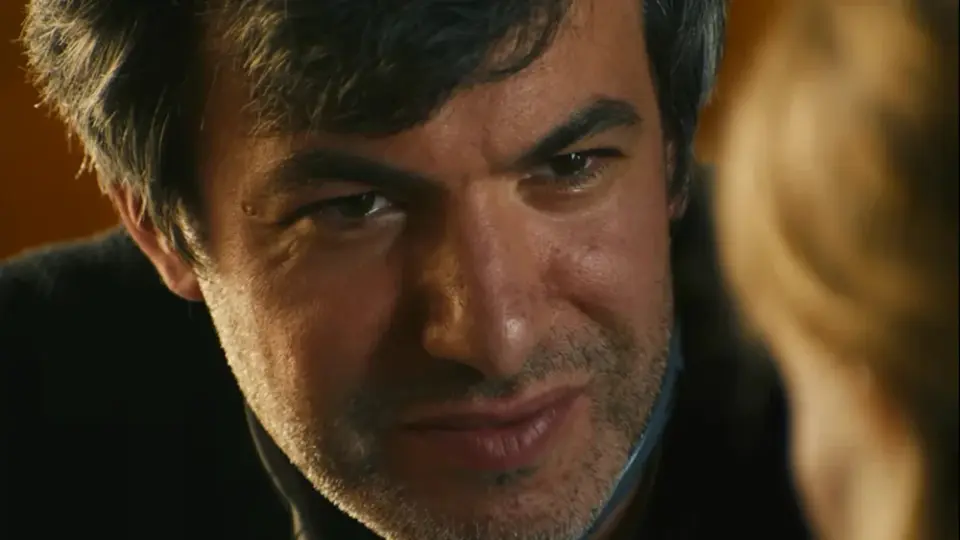
Co-director Lance Oppenheim revealed that Nathan Fielder negotiated a unique 'kill switch' with A24 before filming 'You Can See Everything.' This clause allowed the team to abandon the project at any time if they failed to find a compelling narrative, removing commercial pressure and enabling a purely curiosity-driven creative process.
Key points
- Fielder expressed skepticism that the Elizabeth Holmes story had not been sufficiently covered by prior media, including a podcast, book, and scripted series.
- The 'kill switch' provision permitted the directors to discard all footage and deliver nothing to A24 if the project did not work out.
- Oppenheim stated this freedom eliminated the stress of meeting commercial expectations, allowing them to explore the story without external oversight.
- Fielder noted the provision provided psychological relief, as he could operate without the burden of guaranteeing a successful final product.
- The agreement was reached despite the tight timeline, with only 34 days remaining before Holmes was scheduled to begin her prison sentence.
Background
The documentary 'You Can See Everything' has recently generated significant controversy and commercial success. It has sparked debates regarding the accuracy of its portrayal of Theranos, with former insiders accusing the film of prioritizing narrative ambiguity over factual precision. Additionally, the film has faced legal challenges from Billy Evans, who is seeking a share of the profits, and has drawn criticism for its depiction of nudity and the omission of key details regarding Holmes's fraud.
Why it matters
The 'kill switch' negotiation highlights a rare instance of a studio granting complete creative autonomy to a documentary team. This approach contrasts with standard industry practices, where producers often exert significant control over the final product to ensure commercial viability. By removing the pressure to deliver a guaranteed outcome, the provision may have allowed for a more authentic and experimental documentary style, contributing to the film's current cultural impact and critical debate.
What to watch
The film continues to face legal and ethical scrutiny, including potential lawsuits from subjects and ongoing debates about its historical accuracy. The success of this 'kill switch' model may influence future negotiations between independent filmmakers and studios, potentially leading to more flexible production agreements that prioritize creative exploration over commercial guarantees.
Want the full story? Read the original reporting
Read on Variety