
You Can See Everything: How a No-Light, Three-Camera Setup Captured Elizabeth Holmes
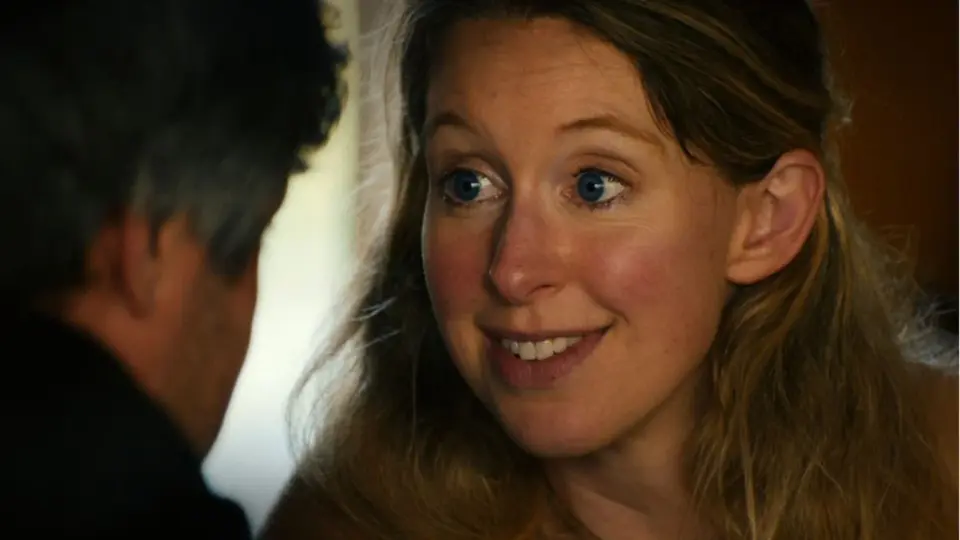
A24’s documentary You Can See Everything has become a cultural and commercial phenomenon, grossing $64.7 million in its first three weeks and becoming the first non-concert documentary to top the US box office since 2004. The film’s success is attributed to its unique production method: a 34-day shoot in Elizabeth Holmes’s home using three cameras, no artificial lighting, and a 4:3 aspect ratio. Directors Nathan Fielder and Lance Oppenheim abandoned their initial plan after one day to adopt this observational style, which critics and audiences have praised for its intimacy and realism.
Key points
- The film grossed $64.7 million in the US, with a $15.6 million opening weekend and a 23% rise in its second week.
- It is the first non-concert documentary to finish a weekend at No. 1 since Fahrenheit 9/11 in 2004.
- The production used three cameras, two operators, and no lighting, relying solely on natural light from windows.
- The shoot lasted 34 days in Holmes’s Del Mar, California home, with 16-hour daily filming schedules.
- The film has received five Critics Choice Documentary Awards nominations, including Best Cinematography.
Background
You Can See Everything premiered at the New York Film Festival on September 30, 2026, before its wide US release on October 16. Earlier coverage highlighted its critical acclaim and its focus on the final days of Elizabeth Holmes before her prison sentence. The film’s unique production style, including its use of a 4:3 aspect ratio and observational techniques, has been compared to previous works by the directors, such as Some Kind of Heaven.
How outlets are covering it
CineD emphasizes the technical and logistical challenges of the shoot, highlighting the directors’ decision to abandon their initial anamorphic lens setup after one day in favor of a three-camera, no-lighting approach. The Atlantic focuses on the film’s cultural impact and commercial success, noting its status as the biggest movie in America and its appeal to a younger audience. Both sources agree on the film’s box office performance and critical reception but differ in their emphasis: CineD on the filmmaking process, The Atlantic on its broader cultural significance.
Why it matters
The film’s success challenges traditional documentary conventions and demonstrates the potential for observational filmmaking to achieve mainstream commercial success. Its technical innovations, such as the use of natural light and multiple cameras, offer new insights into documentary production. Additionally, its cultural impact, including its box office performance and awards recognition, highlights the enduring public interest in Elizabeth Holmes and the themes of truth and deception.
What to watch
The film is set for a UK and Ireland release on November 20, 2026. It is also in contention for an Oscar nomination, with its cinematography and directing categories being highlighted as potential contenders. The film’s international distribution will be handled by Sony Pictures for A24.
- How "You Can See Everything" Was Shot – No Lights, Three Cameras, and a Day of Getting It Wrong CineD
- Essay | I Have Autism. Why the Elizabeth Holmes Documentary Was Uncomfortable to Watch. WSJ
- We invited three psychologists to watch ‘You Can See Everything,’ and this is what they had to say The Boston Globe
- How Did Nathan Fielder Pull This Off? The Atlantic
- You Can See Everything review — this is an unalloyed masterpiece The Times
Want the full story? Read the original reporting
Read on CineD