
Venice 2026: Political Tensions and AI Debates Define the Festival's Most Controversial Lineup
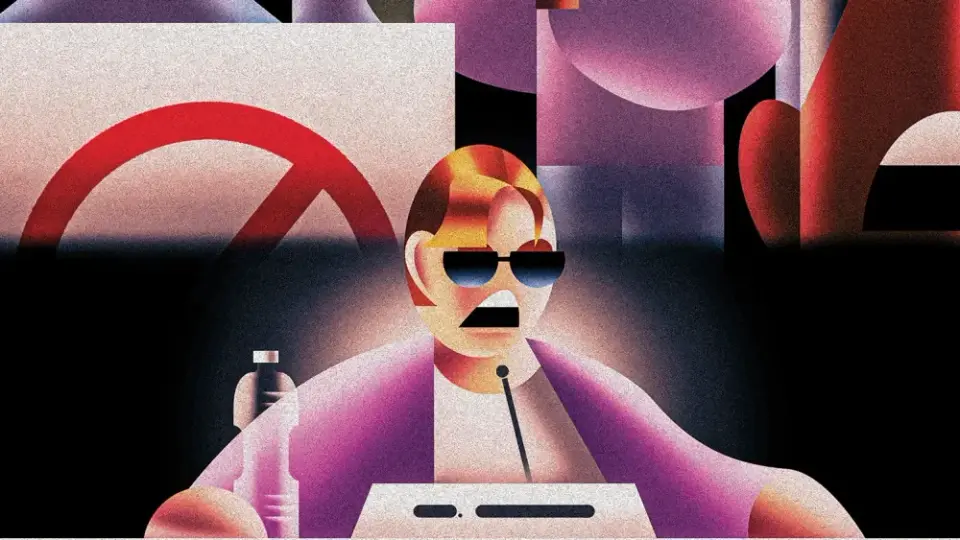
The 2026 Venice Film Festival is poised to be its most politically charged event in recent years, facing intense scrutiny over its inclusion of Israeli and Russian content, a new AI-made feature, and a high-profile open letter demanding action on Palestine. The festival’s leadership maintains a stance of artistic neutrality, but the lineup, including the controversial documentary 'NAZA' and Danny Boyle’s 'Ink', is expected to spark significant debate.
Key points
- Venice is facing pressure from the Venice4Palestine collective, which has issued an open letter signed by figures like Roger Waters and Annie Ernaux, demanding the festival suspend ties with Israeli-linked institutions and fly the Palestinian flag.
- The festival’s lineup includes 'NAZA,' a documentary by 'No Other Land' directors Yuval Abraham and Rachel Szor, which details Israeli military operations in Gaza and is the only documentary in the Golden Lion competition.
- Venice is screening 'Be Brave,' a 90-minute film made entirely with artificial intelligence, a first for a major festival, which artistic director Alberto Barbera frames as an invitation to explore AI’s creative potential.
- The European Commission has withdrawn $2.3 million in funding from the Venice Biennale Foundation, citing concerns over its support for Russian and Israeli pavilions, a move Biennale president Pietrangelo Buttafuoco has called a double standard.
- The festival opens with Danny Boyle’s 'Ink,' a film about Rupert Murdoch’s rise, and also screens Alex Gibney’s four-hour documentary 'Musk,' both of which are expected to generate significant political discussion.
Background
The 2026 festival season has been marked by political turbulence, with the Berlin and Cannes festivals already facing backlash over their handling of geopolitical issues. Venice is now the next major festival to navigate these challenges, with its leadership emphasizing its role as a neutral space for artistic dialogue.
How outlets are covering it
Variety highlights the festival's leadership, including Alberto Barbera and Pietrangelo Buttafuoco, defending their non-partisan stance and the artistic merit of their selections. Deadline focuses on the external pressure from the Venice4Palestine collective and the specific demands of their open letter. The Guardian and IndieWire provide detailed context on the 'NAZA' documentary, emphasizing its investigative nature and the involvement of prominent figures like Jonathan Glazer. The outlets differ in their framing: Variety and Deadline present the festival's official position, while The Guardian and IndieWire focus on the specific, controversial content of the films being screened.
Why it matters
The 2026 Venice Film Festival is a bellwether for the increasing intersection of art, politics, and technology in the global cultural landscape. The festival's response to political pressure and its embrace of AI will set a precedent for how major cultural institutions navigate these complex and contentious issues in the future.
What to watch
The festival is scheduled to open on September 2, 2026. The public will see the immediate reaction to the 'NAZA' documentary and the AI-made 'Be Brave,' as well as the outcome of the Venice4Palestine panel discussion on September 8. The festival's ability to manage the political fallout will be a key indicator of its future direction.
- Who’s Afraid of Film Festivals? After Politics Rattled Berlin and Shook Up Cannes, Venice Braces for Impact Variety
- Venice adds Gaza documentary by Oscar-winning team to main competition Reuters
- Guardian-produced Gaza documentary from Oscar-winning Israeli directors of No Other Land to screen at Venice film festival The Guardian
- ‘NAZA’ Documentary from ‘No Other Land’ Directors Yuval Abraham and Rachel Szor Sets North American Premiere at NYFF IndieWire
- Venice: Open Letter Calls For Action In Support Of Palestine Deadline
Want the full story? Read the original reporting
Read on Variety