
Affleck Warns 'Digger' Flop Will Force Hollywood Into Safe, Homogenized Cinema
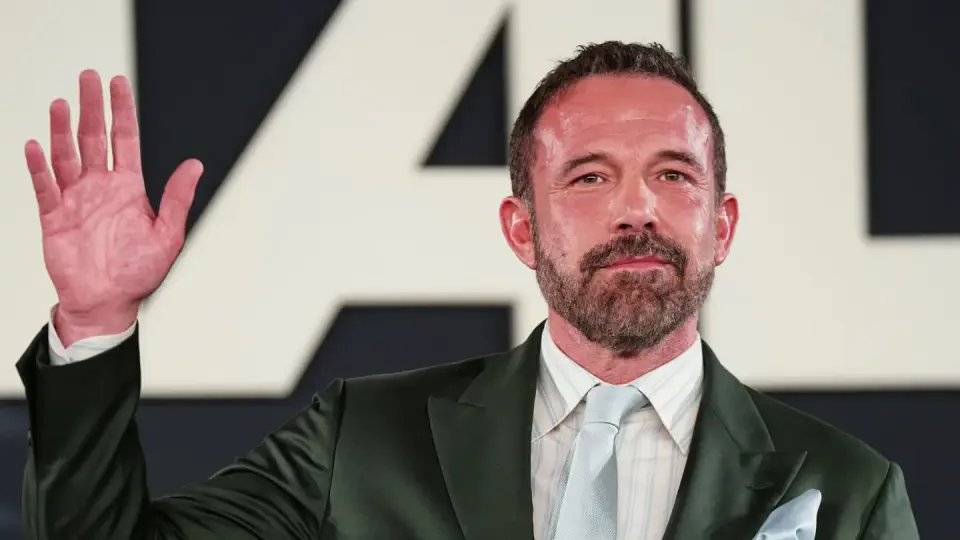
Ben Affleck defended Tom Cruise’s box office failure 'Digger,' arguing that punishing risky films will lead to a future of 'shitty homogenized movies.' The film, directed by Alejandro G. Iñárritu, has lost Warner Bros. an estimated $245 million. While Affleck and Anne Hathaway praised its ambition, critics and audiences largely rejected the satirical climate drama, sparking a debate on the value of artistic risk in modern cinema.
Key points
- Affleck stated on the 'Happy Sad Confused' podcast that mocking 'Digger' is akin to 'high school bullying' and will discourage studios from taking creative risks.
- The film, starring Cruise as an oil tycoon, opened with $8 million domestically and is projected to lose Warner Bros. approximately $245 million against a $160 million production budget.
- Anne Hathaway and Neil Young defended the film, with Hathaway giving it a 10/10 rating and Young calling it the 'best film I have ever seen.'
- The Hollywood Reporter’s David Rooney criticized the film as 'self-indulgent' and 'heavy-handed,' noting that Cruise’s performance was 'spectacularly obnoxious.'
- WIRED’s Molly Taft argued the film is a 'perfect climate movie' that forces audiences to confront the futility of truth-telling in a capitalist system, despite its commercial failure.
Background
The release of 'Digger' coincided with the final days of Warner Bros. before its acquisition by David Ellison’s Paramount Skydance. The film’s poor performance follows a trend of declining interest in non-IP blockbusters, with 'Verity' starring Anne Hathaway outperforming it significantly in its opening weekend. Previous coverage noted that scientific experts had already questioned the plausibility of the film’s central climate disaster plot, contributing to its mixed critical reception.
How outlets are covering it
The Hollywood Reporter and Variety focused on Affleck’s warning that punishing 'Digger' will result in a lack of ambitious cinema, citing his comments about 'homogenized movies.' In contrast, WIRED’s Molly Taft offered a more nuanced defense, arguing that the film’s discomfort and nihilism are intentional critiques of climate inaction, rather than just a failed satire. While Affleck and Hathaway emphasized the film’s artistic merit, THR’s David Rooney and Variety’s Zack Sharf highlighted the financial reality, noting the $245 million loss and the film’s 53% Rotten Tomatoes score. The outlets disagree on whether the film is a 'big swing' worth protecting or a 'self-indulgent' misfire that validates audience skepticism.
Why it matters
The 'Digger' controversy highlights the tension between artistic ambition and commercial viability in Hollywood. As studios face mounting financial pressures, the backlash against this film may signal a shift toward safer, franchise-driven content, potentially reducing the diversity of narratives available to audiences. The debate also reflects broader cultural anxieties about climate change and the role of media in addressing systemic issues, with some viewing the film as a necessary, if uncomfortable, reflection of current realities.
What to watch
Warner Bros. is expected to reassess its strategy for high-budget, non-IP films following the 'Digger' loss. The studio may prioritize safer bets or adjust marketing approaches for future ambitious projects. Additionally, the film’s performance could influence how studios handle similar climate-themed or satirical dramas in the near future, potentially leading to a more cautious approach to such projects.
- Ben Affleck Warns ‘Digger’ Box Office Bomb Will Lead to “A Bunch of Sh***y Homogenized Movies” The Hollywood Reporter
- Opinion | ‘Digger,’ Tom Cruise’s Big Flop, Is a Secret Masterpiece The New York Times
- Neil Young Praises ‘Digger’: ‘The Best Film I Have Ever Seen’ Rolling Stone
- Everyone Hates ‘Digger.’ It’s the Perfect Climate Movie WIRED
- Ben Affleck: 'Digger' Bullying Leads to Studios Making Safe, Bad Movies Variety
Want the full story? Read the original reporting
Read on The Hollywood Reporter