
Fielder’s Holmes Doc Debut Sparks Debate on Truth and Performance
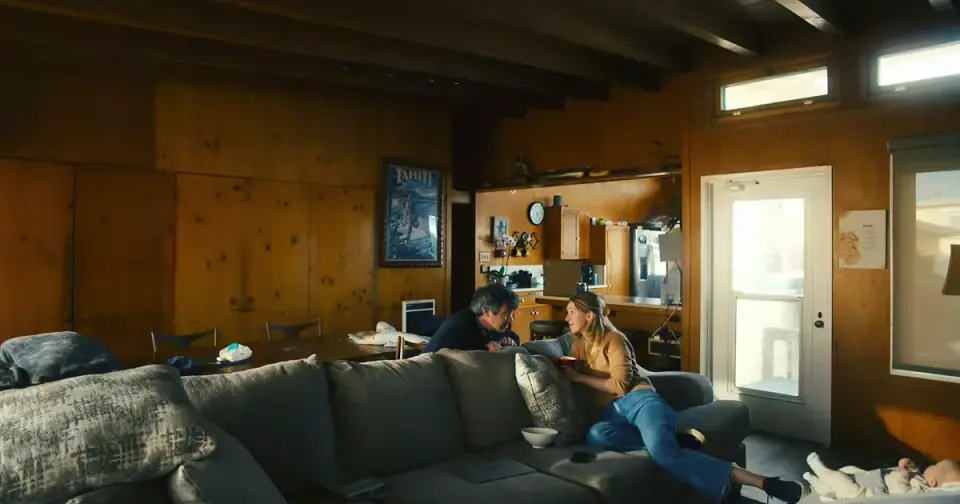
Nathan Fielder and Lance Oppenheim’s three-hour documentary 'You Can See Everything' premiered at the New York Film Festival, earning critical acclaim for its surreal exploration of Elizabeth Holmes’s final days before prison. The film, which Fielder describes as his feature directorial debut, has generated significant Oscar buzz and sparked intense debate regarding the nature of truth in documentary filmmaking.
Key points
- The film premiered at the New York Film Festival on October 1, 2026, with a theatrical release scheduled for October 16 via A24.
- It is a three-hour documentary co-directed by Nathan Fielder and Lance Oppenheim, filmed over five weeks in 2023 before Holmes began her prison sentence.
- Critics describe the film as a 'masterpiece' and 'movie of the year,' praising its cinematic style and psychological depth.
- Fielder and Oppenheim noted significant cognitive dissonance during filming, with crew members disagreeing on the interpretation of events.
- The film explores the ethics of documentary filmmaking and the ambiguity of Holmes’s public persona versus her private behavior.
Background
Prior coverage indicated that 'You Can See Everything' was developed in secret over three years with a budget under $8 million. The project was first revealed at the Telluride Film Festival in September 2026, where it received immediate critical attention and generated early Oscar speculation. A24 had previously folded its documentary division, making this high-profile release a notable exception in the current non-fiction landscape.
How outlets are covering it
Vulture’s Alison Willmore emphasizes the film’s 'dueling neurodivergencies,' highlighting the uncanny chemistry between Fielder and Holmes, and praises its exploration of truth and performance. The Guardian’s review calls it a 'modern masterpiece of deceit,' focusing on the psychological tension and the 'hall of mirrors' created by the subjects' conflicting agendas. Variety highlights Fielder’s personal struggle with cognitive dissonance, noting his admission that Holmes seemed 'genuine' yet he 'knew she was a liar.' The Hollywood Reporter focuses on the audience’s raucous reaction and the film’s postmodern structure, suggesting it offers a 'wish-fulfilling reversal' of Big Tech’s control over narratives. While all outlets agree on the film’s quality, they differ in emphasis: Vulture and The Guardian focus on the psychological and artistic merit, while Variety and THR highlight the production process and audience experience.
Why it matters
The film’s critical success and Oscar buzz signal a shift in documentary filmmaking, blending traditional non-fiction with surreal, performative elements. It challenges conventional notions of truth in media, particularly in the context of high-profile fraud cases, and demonstrates the potential for intimate, long-form documentary projects to achieve mainstream cultural impact despite industry downturns in non-fiction.
What to watch
The film will open in US theaters on October 16, 2026. UK and Australian release dates are yet to be announced. Given the strong critical reception and Oscar buzz, the film is expected to be a contender in the documentary category at the 2027 Academy Awards. Further analysis of its impact on documentary filmmaking and public perception of Holmes may emerge in the coming months.
- Nathan Fielder Has Made the Movie of the Year Vulture
- You Can See Everything review – Nathan Fielder’s Elizabeth Holmes doc is a modern masterpiece of deceit The Guardian
- ‘You Can See Everything,’ if You Could Only Secure a Ticket The New York Times
- Nathan Fielder Speaks Out on Living With Elizabeth Holmes While Filming ‘You Can See Everything’ Doc: ‘She Seems So Genuine’ but ‘I Know She’s a Liar’ Variety
- Nathan Fielder’s Elizabeth Holmes Documentary Holds a Raucous and Revealing NYFF Screening The Hollywood Reporter
Want the full story? Read the original reporting
Read on Vulture