
Neon Acquires Luca Guadagnino’s Controversial OpenAI Biopic After Amazon Pulls Out
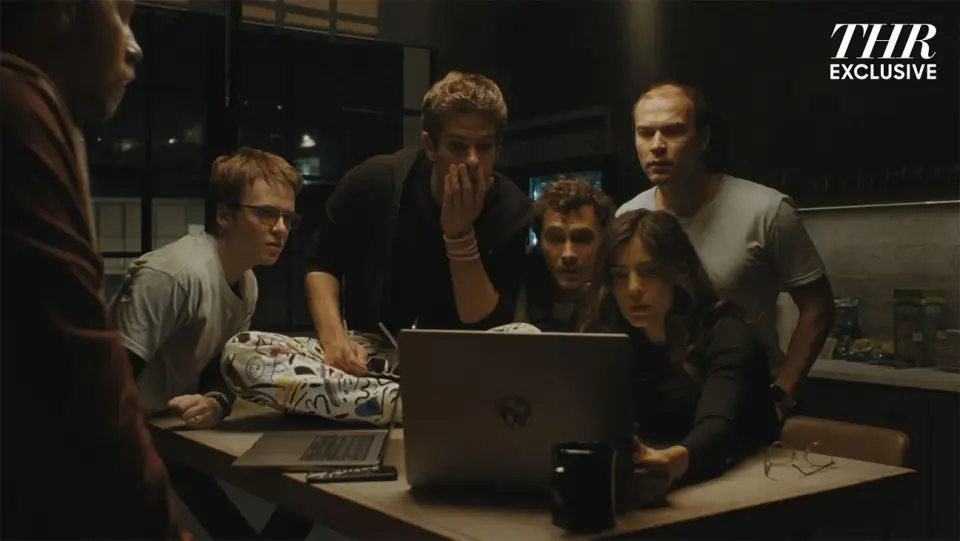
Luca Guadagnino’s biopic 'Artificial,' starring Andrew Garfield as Sam Altman, has found a new home with independent studio Neon after Amazon MGM Studios decided not to release the film. The movie, which dramatizes the rise of OpenAI and its founders, was developed at Amazon but dropped after the studio announced a major investment in OpenAI. Neon acquired the project in a unique deal involving no upfront cost but a $15 million marketing commitment, with a theatrical release scheduled for Christmas Day following a premiere at the New York Film Festival.
Key points
- Amazon MGM Studios developed 'Artificial' but declined to release it, citing that the film would be better served by another studio, despite collaborating creatively with the filmmakers.
- Neon acquired the film in a unique deal where they paid nothing upfront but committed to a $15 million marketing budget, becoming the first studio to screen the film before competitors like Netflix and A24.
- The film, written by Simon Rich and directed by Luca Guadagnino, features Andrew Garfield as Sam Altman and Yura Borisov as Ilya Sutskever, tracing the history of OpenAI from its founding to its current controversies.
- Guadagnino and Garfield argue that the decision to drop the film was influenced by conflicts of interest, as major studios have increasing financial ties to Big Tech companies like OpenAI.
- The film was shot on 35mm with a 'zero AI' policy, emphasizing traditional filmmaking techniques, and was legally vetted to ensure accuracy without risking lawsuits, according to producer Jennifer Fox.
Background
This development follows a broader trend of tension between Hollywood and Big Tech, as highlighted by recent reports on the centralization of power in the tech industry. In August 2026, a historian argued that US tech giants wield unchecked power comparable to the East India Company, urging lawmakers to rein in corporate influence. Additionally, in September 2026, President Trump hosted an AI summit where major tech leaders signed a safety accord, though the event highlighted divisions within the industry. The controversy surrounding 'Artificial' reflects growing concerns about the intersection of media and technology, as studios navigate conflicts of interest with their own tech investments.
Why it matters
The acquisition of 'Artificial' by Neon highlights the increasing challenges faced by Hollywood in producing critical content about Big Tech, as studios grapple with conflicts of interest due to their financial ties to tech companies. The film's journey from Amazon to Neon underscores the tension between artistic freedom and corporate influence, raising questions about the future of independent filmmaking in an era dominated by tech giants. The unique deal between Neon and the filmmakers, involving no upfront cost but a significant marketing commitment, signals a shift in how studios approach controversial projects, prioritizing creative control over financial risk.
What to watch
The film is set to premiere at the New York Film Festival on Monday, October 6, 2026, followed by a theatrical release on Christmas Day. The response from audiences and critics will determine the film's success and its impact on the ongoing debate about the role of art in addressing tech industry controversies. Neon's commitment to a $15 million marketing spend suggests a strong push to ensure the film reaches a wide audience, potentially influencing public discourse on AI and corporate power.
Want the full story? Read the original reporting
Read on hollywoodreporter.com