
Sorkin’s Facebook Sequel Lacks the Tension of Its Predecessor
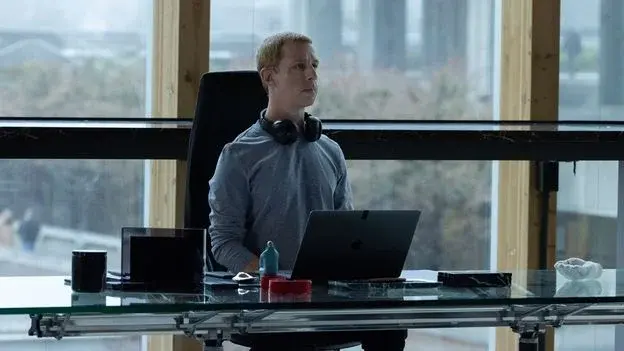
Aaron Sorkin’s new film, The Social Reckoning, dramatizes the 2019-2021 era of Facebook’s internal controversies, focusing on whistleblower Frances Haugen and journalist Jeff Horwitz. While critics praise the sharp dialogue and strong performances, many argue the film lacks the visual dynamism and narrative tension of its 2010 predecessor, The Social Network.
Key points
- The film, released on October 9, 2026, is a nominal sequel to The Social Network, directed and written by Aaron Sorkin.
- It centers on the 'Facebook Files' leak, featuring Mikey Madison as Frances Haugen and Jeremy Allen White as Jeff Horwitz.
- Jeremy Strong replaces Jesse Eisenberg as Mark Zuckerberg, portraying him as a cold, unsmiling executive rather than a petulant genius.
- Critics note the film’s visual flatness and lack of suspense, contrasting it with David Fincher’s dynamic direction in the original.
- The movie highlights Facebook’s algorithmic promotion of extremism and its refusal to fact-check political ads, leading to the Capitol riots.
Background
This release follows earlier coverage noting Sorkin’s return to Facebook storytelling amid Meta’s legal scrutiny and teen-harms settlements. Previous reports highlighted the film’s polemical tone and its omission of Donald Trump by name to avoid partisan framing, a choice critics argue makes the narrative feel outdated.
How outlets are covering it
BBC critic Nicholas Barber rates the film two stars, arguing it lacks the thrills and urgency of a crusading drama, calling it a 'dead-eyed' performance by Strong. The Atlantic’s David Sims agrees, stating the film is a 'perfunctory coda' that fails to capture the alienation of the original. The Guardian notes the film’s 'jittery' style but criticizes its failure to reckon with the current political reality, specifically the return of Trump. Conversely, The Hollywood Reporter’s David Rooney offers a more positive view, calling it a 'sharp whistleblower thriller' that effectively exposes the algorithm’s role in radicalization, despite its depressing conclusion.
Why it matters
The film serves as a cultural commentary on the power of tech giants and the role of investigative journalism. Its mixed reception highlights the difficulty of translating real-world corporate scandals into compelling cinema, especially when the subject matter remains unresolved in the real world.
What to watch
The film is currently in wide release in the US and UK. It joins a wave of tech-focused films, including documentaries on Elon Musk and a biopic of Sam Altman, reflecting a broader industry trend of scrutinizing tech billionaires.
- The Social Reckoning review: Aaron Sorkin's drama puts Facebook on trial, but it won't change anyone's minds ★★☆☆☆ BBC
- ‘The Social Reckoning’ Is a Zombie of a Movie The Atlantic
- The Social Reckoning review – Aaron Sorkin’s jittery sequel with all-new evil puppet Zuckerberg The Guardian
- ‘The Social Reckoning’ Review: Aaron Sorkin Savages Facebook Once Again in Sharp Whistleblower Thriller Led by Mikey Madison and Jeremy Allen White The Hollywood Reporter
- Who is Frances Haugen? Meet the Facebook whistleblower played by Mikey Madison in 'The Social Reckoning.' Yahoo
Want the full story? Read the original reporting
Read on BBC