
Study Links Major Album Releases to 15% Spike in US Traffic Fatalities
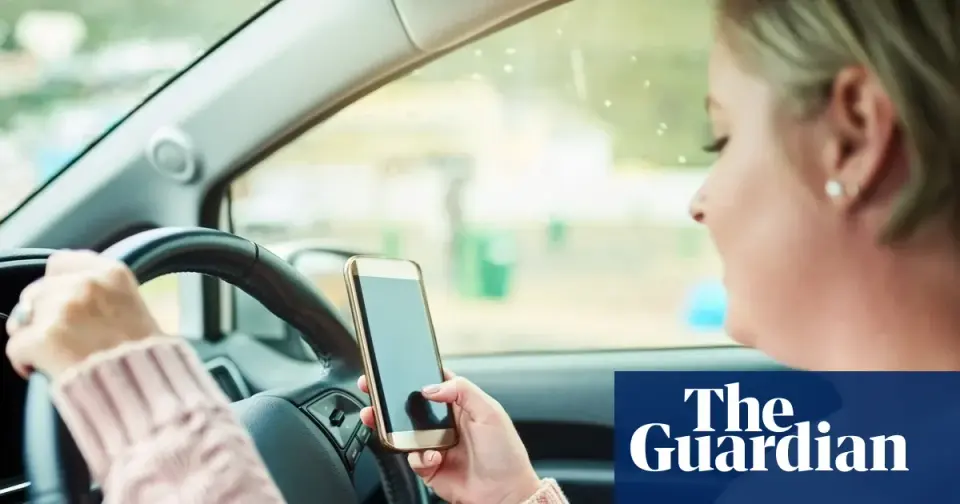
A new study published in JAMA Network Open finds that US traffic fatalities rise by 15.1% on the release days of major albums. Researchers analyzed data from 2017 to 2022, linking increased smartphone use for music streaming to a surge in crashes. The study estimates approximately 182 additional deaths are attributable to these specific release dates, particularly among younger and solo drivers.
Key points
- Researchers at Harvard Medical School analyzed 10 major album releases between 2017 and 2022, including works by Taylor Swift, Drake, and Harry Styles.
- Data from the Fatality Analysis Reporting System showed a 15.1% relative increase in traffic fatalities on album release days compared to surrounding days.
- The study estimates that these release days account for approximately 182 extra fatalities in the US over the five-year period.
- The increase in deaths was most pronounced among younger drivers, male drivers, and those driving alone without passengers.
- Researchers suggest that the act of searching for and streaming new music on smartphones distracts drivers, rather than the act of listening itself.
Background
This study builds on previous concerns regarding distracted driving, which has historically focused on texting and phone calls. Recent coverage has highlighted how new technologies, such as voice assistants and in-car infotainment systems, create additional pathways for drivers to interact with digital devices. The findings align with broader public health discussions about how continuous interaction with digital ecosystems competes with the attentional resources required for safe vehicle operation.
How outlets are covering it
The Guardian and CNN both report the core findings of the study, emphasizing the 15% increase in fatalities and the specific albums analyzed. CNN provides additional context on the methodology, noting that the study used Spotify data to confirm a 43% spike in streaming volume on release days. The Telegraph was inaccessible due to a security block, so no perspective could be extracted. Yahoo’s content was largely obscured by technical code, but its title suggests a similar focus on the link between music streaming and traffic deaths. All accessible sources agree that while the correlation is strong, the study cannot definitively prove that drivers were using their phones at the moment of the crash, as the Fatality Analysis Reporting System does not record specific distractions.
Why it matters
The findings highlight a previously overlooked source of distracted driving: the anticipation and consumption of new music. As smartphones and connected cars become more integrated, the cognitive load of managing digital content while driving increases. This study suggests that even seemingly simple actions, like selecting a song, can significantly impair driving performance, particularly for solo drivers who cannot delegate the task to a passenger. It underscores the need for better driver education and potentially for streaming platforms to implement safety prompts.
What to watch
Researchers suggest that streaming platforms could add notifications reminding users to set up their music before driving. Dr. Vishal Patel, the study’s lead author, recommends that drivers queue up their music before starting the car and put their phones away. Experts also suggest that passengers could handle phone interactions to reduce driver distraction. Further research is needed to determine the exact mechanisms of distraction and to assess the impact on non-fatal crashes.
- Top album releases linked to rise in fatal crashes as ‘distracted’ drivers access music The Guardian
- The day big albums start streaming, traffic deaths surge CNN
- Why Taylor Swift and Harry Styles are linked to a rise in car crashes The Telegraph
- This New Study Found A Troubling Link Between Music Streaming And Rising Traffic Deaths Yahoo
- Major Album Releases Tied to 15% Increase in US Traffic Deaths, Study Finds Consequence of Sound
Want the full story? Read the original reporting
Read on The Guardian