
Iranian authorities launch smear campaign against Venice award winner Laleh Marzban
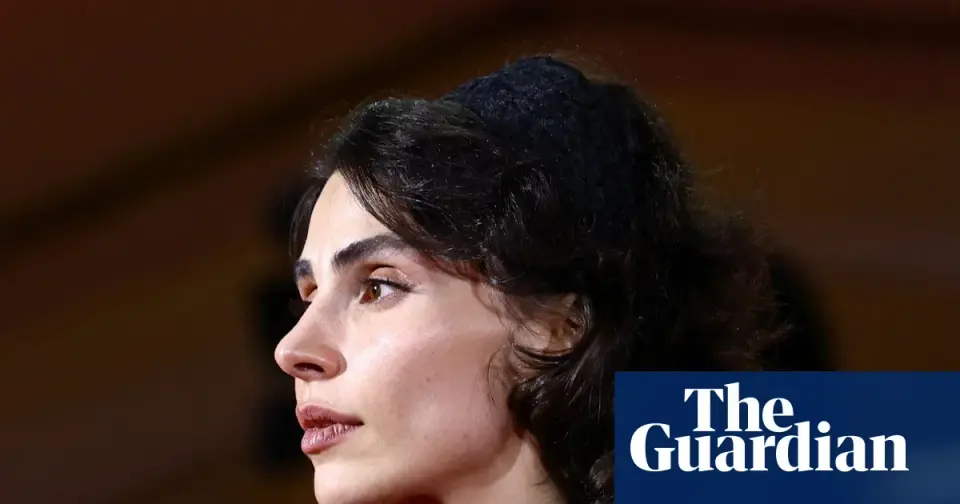
Iranian actress Laleh Marzban faces severe state-backed attacks after dedicating her Venice Film Festival award to Iranian women. The Supreme Council of the Cultural Revolution condemned her speech as a 'one-sided narrative,' while state media called for her banishment and professional discipline. The backlash follows her performance in 'Falling House,' a film depicting patriarchal oppression, and mirrors recent crackdowns on artists criticizing the regime.
Key points
- Laleh Marzban won the Orizzonti Best Actress award at the Venice Film Festival for her role in Mohsen Gharaei’s 'Falling House.'
- In her acceptance speech, Marzban dedicated the prize to Iranian women, stating they have 'paid the highest price for even the smallest measure of freedom.'
- The Supreme Council of the Cultural Revolution issued a statement condemning the speech as a 'one-sided narrative' that reduces Iranian women to Western stereotypes.
- State-affiliated media, including IRIB and the Student News Network, called for Marzban to be disciplined and barred from returning to Iran.
- The film 'Falling House' depicts a patriarch locking up his daughters, symbolizing the repression of women in Iranian society.
Background
Marzban’s award was part of the 83rd Venice International Film Festival, where the Orizzonti section highlights emerging talent. Our previous coverage noted that 'Falling House' was highlighted as a stark meditation on gender and resilience, contrasting with other festival entries. The current backlash echoes the intense pushback against the documentary 'NAZA' at the same festival, where Israeli authorities threatened to strip citizenship from its directors for criticizing military actions in Gaza.
How outlets are covering it
The Guardian and Deadline both report on the severe state media attacks, with Deadline noting that a Basij-aligned channel accused Marzban of treason. Iran International focuses on the emotional content of Marzban’s speech and the film’s thematic relevance to current repression. While all sources agree on the facts of the award and the backlash, they differ in emphasis: The Guardian highlights the political condemnation from the Supreme Council, Deadline details the specific calls for professional bans from state broadcasters, and Iran International contextualizes the film’s message within the broader struggle for women's rights in Iran.
Why it matters
This incident highlights the escalating risks for Iranian artists who speak out against the regime, even in international forums. The coordinated state media response signals a tightening of cultural control and a willingness to punish dissent through professional exclusion and public shaming, potentially chilling artistic expression within Iran.
What to watch
It is unclear if the Iranian government will formally ban Marzban from returning or working in the country, as the calls for action came from media personalities and a cultural council rather than a direct executive order. The film 'Falling House' may face distribution restrictions or censorship within Iran, and Marzban may face increased scrutiny or harassment from authorities upon her return.
Want the full story? Read the original reporting
Read on The Guardian