
Venice Jury Awards 'NAZA' for Exposing Alleged AI-Driven Mass Killings in Gaza
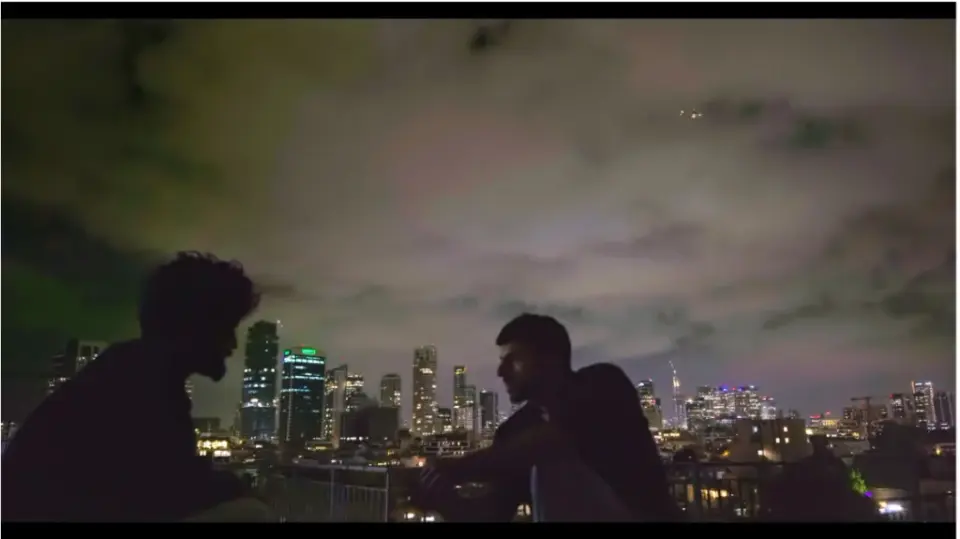
The documentary 'NAZA' won the Special Jury Prize at the Venice Film Festival after a 25-minute standing ovation. Directed by Yuval Abraham and Rachel Szor, the film features 24 anonymous Israeli military sources alleging that the Israel Defense Forces (IDF) used an AI system called 'Lavender' to identify civilian targets in Gaza. The film claims that up to 70,000 targets were selected via phone surveillance, with 'collateral damage' quotas reaching 500 people per strike. While the IDF categorically rejected the allegations as unverified, the Gaza Ministry of Health reports over 73,000 deaths since the war began in 2023.
Key points
- The documentary 'NAZA' won the Special Jury Prize at the 83rd Venice Film Festival, following a 25-minute standing ovation that set a new record for the festival.
- The film is based on interviews with 24 anonymized Israeli military and intelligence personnel who describe a systematic approach to killing civilians in Gaza, including the use of an AI system named 'Lavender' to track phone signals.
- Sources in the film claim that 'NAZA' (a Hebrew acronym for collateral damage) was used to set acceptable civilian death tolls for strikes, with some quotas reaching 200 to 500 people.
- The IDF spokesperson rejected the film's claims, stating that strike decisions are made by humans, not AI, and that the anonymous testimonies could not be verified or were beyond the knowledge of junior soldiers.
- The Gaza Ministry of Health reports over 73,000 Palestinians killed and 173,000 wounded since the conflict began in October 2023, a figure cited in the documentary and by Al Jazeera.
- Director Yuval Abraham stated that the film aims to expose the 'systemic' nature of the killings rather than accidental byproducts, calling on Western governments to pressure Israel to end the war.
Background
This story follows the earlier announcement that 'NAZA' would debut in the Venice competition as the sole documentary entry, building on the Oscar-winning work of directors Abraham and Szor. The film's allegations echo previous investigative reports by +972 Magazine and Local Call regarding the 'Lavender' AI program. The broader context includes ongoing tensions in the region, such as recent Israeli airstrikes in Lebanon and diplomatic friction between Israel and Iran, though the primary focus remains on the internal Israeli military practices exposed in the documentary.
How outlets are covering it
The Guardian and Al Jazeera emphasize the 'systemic' and 'premeditated' nature of the killings, highlighting the dehumanization of Palestinians and the 'industrial' scale of the AI targeting. They frame the film as a moral reckoning for Israel's middle-class society. In contrast, The Jerusalem Post and the IDF focus on the lack of verifiable evidence, arguing that the anonymous sources cannot be confirmed and that the film misuses legal terminology. The IDF maintains that it operates in accordance with international law and makes 'unprecedented efforts' to minimize civilian harm, while the filmmakers argue that the silence of the majority of soldiers is itself a form of complicity.
Why it matters
The documentary challenges the official narrative of the Israel-Gaza war by suggesting that civilian deaths were a calculated outcome of AI-driven policy rather than incidental collateral damage. The award at a major international festival brings global attention to the internal mechanics of the IDF's targeting systems and may influence international pressure on Israel's allies, particularly in Europe and the United States, to reconsider their support for the military campaign.
What to watch
The film is expected to face significant backlash in Israel, where it has already been criticized by politicians and journalists. The filmmakers plan to release the documentary to wider audiences in Europe and the United States to encourage public scrutiny. The IDF has indicated it will investigate any specific allegations of violations by soldiers, though it has dismissed the broader claims as unverified. The ongoing conflict in Gaza and the potential for further international sanctions or diplomatic pressure will likely remain the focus of subsequent coverage.
- 'NAZA' Review: Doc Accuses Israel Of Using AI To Kill Gaza Civilians Deadline
- ‘They know the house they are bombing is full of children’: NAZA’s directors on their devastating film about Israeli intelligence theguardian.com
- Israeli film on Gaza receives 25-minute ovation at Venice premiere Al Jazeera
- 'NAZA' documentary wins Special Jury Prize in Venice with Gaza war claims The Jerusalem Post
- Venice Film Festival ends with Golden Lion at stake after 'NAZA' draws record ovation NPR
Want the full story? Read the original reporting
Read on Deadline