
Judge Reverses Self to Strike Down Core Claims in Massive Reggaeton Copyright Suit
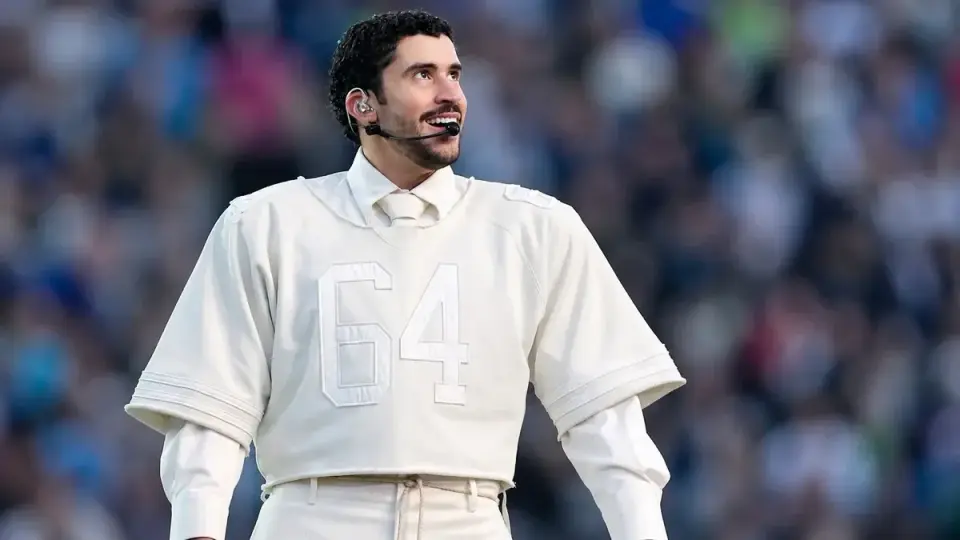
A federal judge reversed his own prior decision to dismiss the central copyright claims in a lawsuit targeting nearly 2,000 reggaeton songs. The ruling favors Bad Bunny and over 150 other artists, stating that plaintiffs failed to identify a single copyrighted work containing the disputed 'dembow' rhythm. While the case is not fully over, the broadest claims against major stars have been struck down.
Key points
- Judge André Birotte Jr. ruled on September 1 that plaintiffs Steely & Clevie failed to prove ownership of a valid copyright for the dembow rhythm.
- The lawsuit, filed in 2021, targeted nearly 2,000 songs by over 150 artists, including Bad Bunny, Karol G, Drake, and Justin Bieber.
- The judge reversed a July decision that had sent the case to trial, acknowledging a flaw in the plaintiffs' legal theory.
- Remaining claims regarding direct sampling of sound recordings will continue, but the broader compositional claims have been dismissed.
- Bad Bunny’s attorney Kenneth Freundlich praised the ruling as a victory for copyright integrity and the artists involved.
Background
This ruling follows a period of high-profile activity for Bad Bunny, including the conclusion of his 'Debí Tirar Más Fotos' world tour in Puerto Rico in August 2026. The artist has also been involved in other legal and cultural disputes, such as the removal of his music from political social media clips, highlighting his status as a major cultural figure facing significant legal scrutiny.
How outlets are covering it
Consequence, Billboard, The New York Times, and Rolling Stone all report the ruling as a major victory for the defendants, emphasizing the judge’s reversal of his own earlier stance. Billboard and Rolling Stone highlight the specific legal argument that copyright law does not protect an 'abstract amalgamation' of elements from multiple songs. The New York Times frames the decision as a blow to the 'most closely watched lawsuit in music,' noting that while the case continues, the most significant claims have been thrown out. All sources agree that the plaintiffs, Steely & Clevie, failed to identify a single copyrighted work containing the disputed arrangement.
Why it matters
The ruling prevents a potentially decade-long legal battle that could have imposed a monopoly on the reggaeton genre. By striking down the broadest claims, the decision protects the commercial interests of major artists and clarifies that copyright law cannot be used to claim ownership of a rhythmic pattern assembled from multiple existing works.
What to watch
The parties must now propose a schedule for addressing the remaining, narrower claims regarding direct sampling of Steely & Clevie’s sound recordings. The broader compositional claims have been dismissed, but the case is not fully concluded.
- Bad Bunny Helps Defeat Copyright Claim That Threatened Thousands of Reggaeton Songs Consequence of Sound
- Bad Bunny Wins Key Ruling in Massive Reggaeton Lawsuit billboard.com
- Who Owns Reggaeton’s Beat? A Judge Throws Out One Claim. The New York Times
- Bad Bunny Scores Major Victory as Judge Reverses Course in Sprawling Reggaeton Lawsuit Rolling Stone
- A Timeline of the Reggaeton Lawsuit Bad Bunny Won Remezcla
Want the full story? Read the original reporting
Read on Consequence of Sound