
Withers Estate Sues Capitol Records Over Alleged Olivia Dean Plagiarism
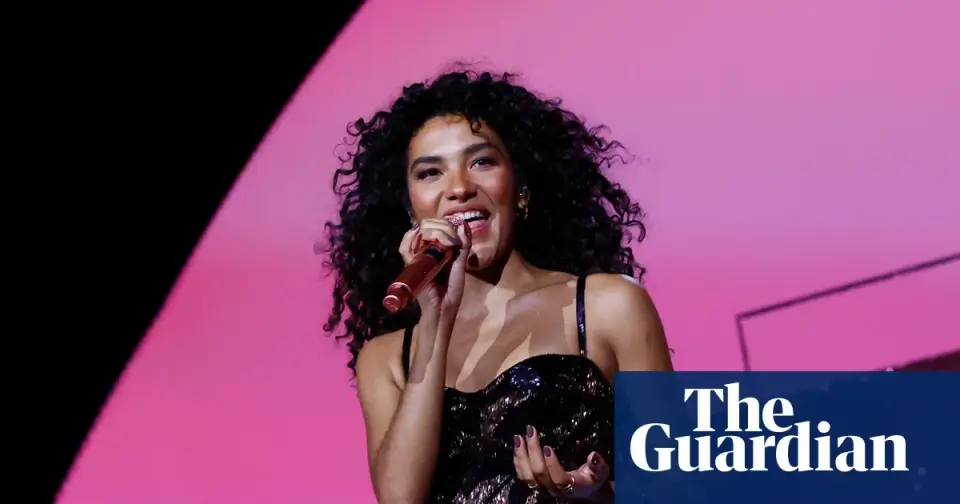
Mattie Music Group, the publisher of Bill Withers' catalog, filed a federal lawsuit in Los Angeles on October 1, 2026, alleging that Olivia Dean's track 'I've Seen It' infringes on the copyright of the 1981 hit 'Just the Two of Us.' The complaint targets Dean's label, Capitol Records, and her publishers, but not the singer herself. A hired musicologist claims the songs share 'substantial similarities' in melody. The defendants have not yet responded, and the song remains in distribution despite a prior notice of alleged infringement.
Key points
- Mattie Music Group filed a copyright infringement lawsuit in US federal court in Los Angeles on October 1, 2026.
- The lawsuit alleges that Olivia Dean's 2025 track 'I've Seen It' copied the melody of Bill Withers' 1981 hit 'Just the Two of Us.'
- The complaint names Capitol Records, Universal Music Group, Sony Music Publishing, and Kobalt Music Publishing as defendants, but does not name Olivia Dean or her co-writers.
- Mattie Music Group hired musicologist Alexander Stewart, who concluded that the two songs contain substantial similarities in protectable musical expression.
- The plaintiff claims it sent written notice of the alleged infringement on August 17, 2026, but the defendants continued to distribute and exploit the song.
- The lawsuit seeks damages and a permanent injunction to stop further alleged infringement.
Background
Olivia Dean, a 27-year-old British singer-songwriter, won the Grammy Award for Best New Artist in February 2026 and four Brit Awards, including Album of the Year for 'The Art of Loving.' Her track 'I've Seen It' is the closing song on that album. Bill Withers, the late R&B singer who co-wrote 'Just the Two of Us' with Grover Washington Jr., died in March 2020. The song reached No. 2 on the Billboard Hot 100 in 1981 and won the Grammy for Best R&B Song. It experienced a resurgence in popularity on TikTok in recent years. Mattie Music Group, named after Withers' late mother, administers his back catalog and is run by his widow, Marcia Johnson.
How outlets are covering it
The Guardian, BBC, Billboard, and ABA Journal all report on the core facts of the lawsuit: the filing by Mattie Music Group, the alleged similarities between 'I've Seen It' and 'Just the Two of Us,' and the targeting of labels and publishers rather than Olivia Dean herself. The BBC emphasizes the legal requirement for Mattie Music Group to prove that Dean and her co-writers had previously heard the original song, noting the lawsuit's argument that the song's widespread commercial success provided a 'reasonable opportunity' for exposure. Billboard highlights the commercial success of 'The Art of Loving,' noting its position on the Billboard 200 chart. The ABA Journal focuses on the legal aspects, identifying Mattie Music Group's business name as Bleunig Music and listing the specific defendants. All sources agree that the defendants have not yet responded to the lawsuit, and that the song remains in distribution despite the alleged prior notice of infringement.
Why it matters
This lawsuit highlights the ongoing tensions in the music industry regarding copyright infringement, particularly as older songs experience new popularity through social media platforms like TikTok. It also raises questions about the responsibility of record labels and publishers in ensuring that new releases do not infringe on existing copyrights, even when the artist themselves is not named as a defendant. The case could set a precedent for how copyright claims are handled in the music industry, especially for songs that have become widely known through digital platforms.
What to watch
The next steps in this case will likely involve the defendants responding to the lawsuit, potentially filing a motion to dismiss or answering the complaint. Mattie Music Group will need to prove that the similarities between the two songs are substantial enough to constitute copyright infringement, and that the defendants had a reasonable opportunity to encounter the original work. The case could also lead to negotiations or a settlement between the parties. The outcome of this case could have implications for other copyright claims in the music industry, particularly those involving songs that have become popular through social media.
- Olivia Dean accused of plagiarism on her I’ve Seen It track The Guardian
- Olivia Dean accused of copying Bill Withers' Just The Two of Us BBC
- Olivia Dean ‘Art of Loving’ Song Faces Lawsuit Claiming It Was Copied From ‘Just the Two of Us’ Billboard
- Bill Withers' music publisher files copyright suit over Olivia Dean's 'I've Seen It' abajournal.com
- Olivia Dean’s ‘Art of Loving’ Song Accused of Copying Bill Withers’ ‘Just the Two of Us’ rollingstone.com
Want the full story? Read the original reporting
Read on The Guardian