
Vermont Musical Director Faked Threats to Cancel Rocky Horror Show, Police Confirm
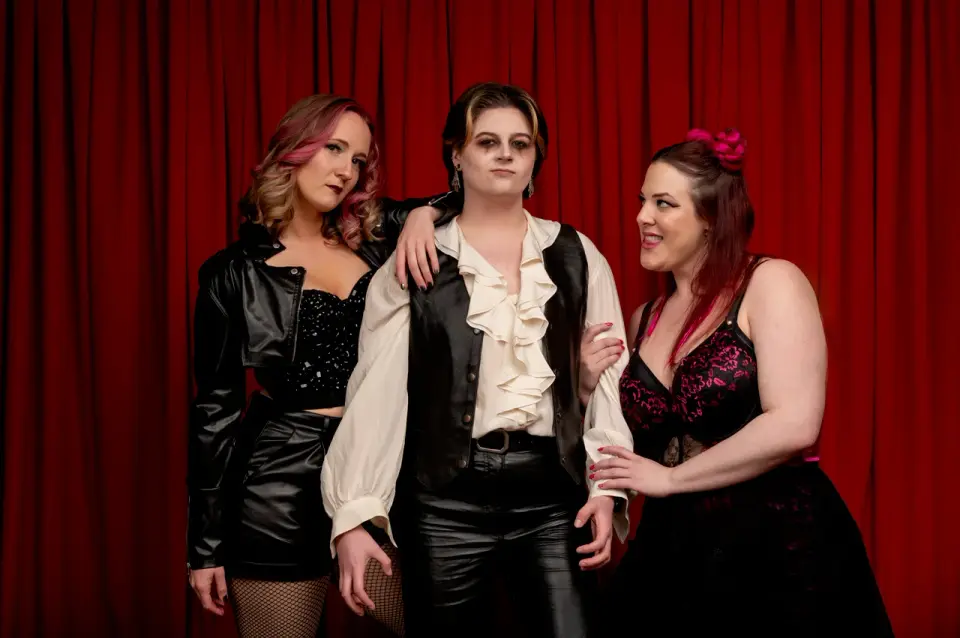
Police in Essex, Vermont, confirmed that Kenneth Grenier, the musical director for a local Rocky Horror production, fabricated threatening texts to force the show's cancellation. Grenier, 26, sent messages to himself from a phone app linked to his home IP address to claim safety concerns, despite the real issue being interpersonal conflicts with the cast. The hoax led to the cancellation of the spring production, costing the nonprofit over $11,500. Grenier was cited for misdemeanor false reports and referred to a community justice center. Former cast members expressed shock, noting that Grenier had previously posted disrespectful comments about the troupe online, which the director and board had addressed directly before the sabotage occurred.
Key points
- Essex Police determined that Kenneth Grenier, 26, of Hyde Park, sent the anonymous threatening texts that caused the Essex Community Players to cancel their spring production of The Rocky Horror Show.
- Investigators traced the messages to an IP address registered to Grenier’s home, where he used a subscriber-based cellphone app to send texts to himself.
- Grenier admitted to police that he created the fake threats to use personal safety as a pretext for leaving the production, rather than addressing his actual difficulties with the cast and crew.
- The theater company incurred more than $11,500 in unrecovered expenses after canceling the show, which had been rehearsed for approximately 12 weeks prior to the April 17 opening date.
- Grenier was issued a citation for a misdemeanor charge of false reports to law enforcement authorities, with the case referred to the Chittenden County Community Justice Center for resolution.
Background
This incident follows earlier local coverage in August 2026 that first reported the sabotage of the Rocky Horror production by its own musical director. The case highlights ongoing challenges in community theater management, where interpersonal conflicts can escalate into legal issues. It also contrasts with broader regional news, such as the recent resignation of Arena Stage’s artistic director due to board disagreements, illustrating how internal leadership disputes can impact artistic institutions. Additionally, the story serves as a reminder of the financial risks faced by nonprofit theater companies, which often rely on volunteer labor and limited budgets, making the cancellation of a major production particularly damaging.
How outlets are covering it
Seven Days provided the most detailed account, including specific quotes from former cast member Jess Wisloski and the exact content of the threatening texts, such as the message claiming to be from Concord Theatricals. WPTZ and WCAX focused on the police investigation and the legal outcome, emphasizing the admission by Grenier and the misdemeanor charge. All three outlets agreed on the core facts: the fabrication of threats, the cancellation of the show, and the legal consequences. However, Seven Days uniquely highlighted the interpersonal dynamics, noting that Grenier had previously posted disrespectful comments about the cast on a Facebook group, which the director and board had addressed before the hoax. WPTZ and WCAX did not mention this prior conflict, focusing instead on the police investigation and the legal proceedings. The outlets also differed in their emphasis: Seven Days focused on the human impact and the unresolved mysteries, while WPTZ and WCAX focused on the legal and procedural aspects of the case.
Why it matters
This case underscores the importance of transparent communication and conflict resolution in community theater and other collaborative artistic endeavors. When interpersonal issues are not addressed directly, they can escalate into actions that harm the entire production, as seen here. The financial impact on the Essex Community Players, a nonprofit organization, highlights the vulnerability of such groups to internal sabotage. Additionally, the legal consequences for Grenier serve as a cautionary tale for those who might consider fabricating threats or false reports to avoid personal or professional difficulties. The case also raises questions about the role of social media in exacerbating conflicts, as Grenier’s prior online posts about the cast may have contributed to the escalation of the situation.
What to watch
The Essex Community Players are planning to perform a new show, Crime and Punishment, A Comedy, in October 2026, as they move forward from the cancellation of the Rocky Horror production. The case against Kenneth Grenier will be resolved through the Chittenden County Community Justice Center, which may involve mediation, counseling, or other restorative justice measures. The theater company may also review its internal policies and procedures for handling interpersonal conflicts and ensuring the safety and well-being of its members. Additionally, the incident may prompt other community theater groups in Vermont and beyond to implement stricter protocols for managing disputes and preventing similar sabotage in the future.
- It’s Astounding: ‘Rocky Horror’ Threats Came From Troupe’s Musical Director, Cops Say sevendaysvt.com
- VT musical director of planned 'Rocky Horror Show' created fake threats, police say WPTZ
- Man accused of faking threatening texts to shut down ‘Rocky Horror’ production wcax.com
- Police: ‘Rocky Horror Picture Show’ threats faked by staff MyChamplainValley.com
- VT Headlines: Fake threats created by musical director sabotage ‘Rocky Horror Picture Show’ production, police say Vermont Daily Chronicle
Want the full story? Read the original reporting
Read on sevendaysvt.com