
Vanity Fair’s ‘The Mastermind’ Sparks Debate Over Journalistic Ethics and Swift’s Unbothered Response
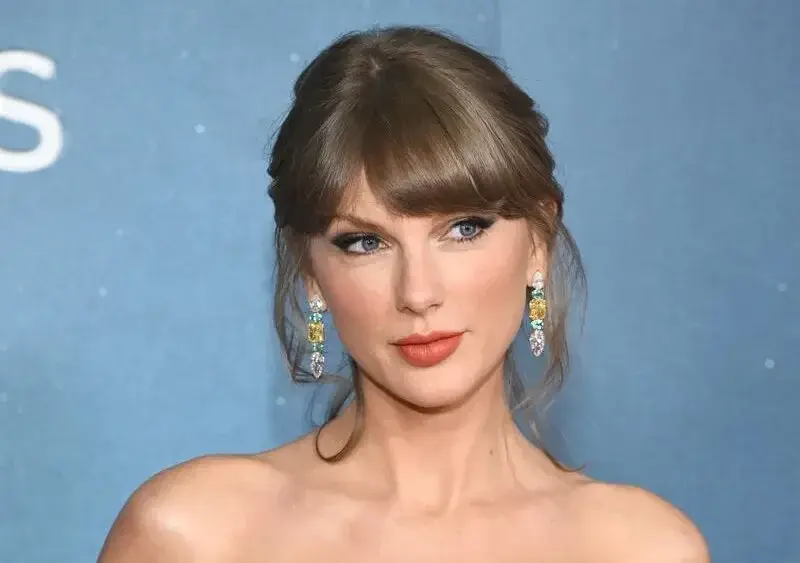
Vanity Fair’s critical profile of Taylor Swift, titled 'The Mastermind,' has ignited a media firestorm over its journalistic methods. Written by May Jeong, the piece avoids naming Swift, using pseudonyms like 'The Star,' and relies heavily on anonymous sources and childhood anecdotes, such as her ownership of three pairs of Ugg boots. Critics, including Variety’s Chris Willman, argue the article lacks substantive reporting and reads as 'snark masquerading as reportage.' Swift’s camp remains unbothered, with Travis Kelce standing by her side, while former classmate Arielle Peppers defends her participation, stating her comments were not intended as an attack. The piece also includes Easter eggs, such as capitalized letters spelling 'Look What You Made Me Do,' and compares Swift to Regina George from 'Mean Girls.'
Key points
- Vanity Fair published 'The Mastermind,' a critical profile of Taylor Swift by May Jeong, which avoids naming Swift and uses pseudonyms like 'The Star' and 'Redwood' for Travis Kelce.
- The article relies on over 100 interviews but quotes only six sources on the record, drawing criticism for its lack of substantive reporting and heavy use of anonymous sources.
- Critics, including Variety’s Chris Willman, argue the piece is 'snark masquerading as reportage' and lacks journalistic rigor, while Swift’s camp remains unbothered.
- Former classmate Arielle Peppers defended her participation, stating her comments about Swift’s Ugg boots were not intended as an attack, and she has received death threats since the article’s publication.
- The article includes Easter eggs, such as capitalized letters spelling 'Look What You Made Me Do,' and compares Swift to Regina George from 'Mean Girls,' sparking backlash from fans and critics alike.
Background
This controversy follows a pattern of high-profile media pieces that use pseudonyms and anonymous sources, reminiscent of Olivia Nuzzi’s 'American Canto,' which also avoided naming key figures. The debate over journalistic ethics and the use of trivial anecdotes in critical profiles has been ongoing, with previous instances drawing similar criticism for lacking substantive reporting.
How outlets are covering it
Variety’s Chris Willman criticizes the piece for its lack of substantive reporting and heavy use of anonymous sources, calling it 'snark masquerading as reportage.' Yahoo’s Taryn Ryder provides a detailed breakdown of the article’s structure and Easter eggs, noting the debate over its journalistic value. The New York Daily News highlights Arielle Peppers’ defense of her participation, emphasizing her statement that her comments were not intended as an attack. Page Six reports that Swift’s camp remains unbothered, with Travis Kelce standing by her side, and notes that Swift declined to comment during the reporting process.
Why it matters
The controversy raises important questions about journalistic ethics, the use of anonymous sources, and the impact of critical profiles on public figures. It also highlights the ongoing debate over the role of media in shaping public perception and the potential consequences for those who participate in such pieces.
What to watch
The debate over the article’s journalistic value is likely to continue, with potential legal implications if any allegations are deemed defamatory. Swift’s camp may issue a formal response, and the media may see further criticism of Vanity Fair’s reporting methods. The article’s impact on Swift’s public image and career remains to be seen, but her camp’s unbothered response suggests minimal immediate impact.
- Is Vanity Fair’s Hit Piece on Taylor Swift Really Journalism? Variety
- Taylor Swift's Vanity Fair article, explained: The Regina George comparison, Ugg boots and Easter eggs Yahoo
- Taylor Swift’s ex-classmate speaks out after going on record with Vanity Fair New York Daily News
- Taylor Swift Fans Criticize ‘Nonsense’ Vanity Fair Profile Newsweek
- Exclusive | Why Taylor Swift isn’t ‘losing sleep’ over scathing Vanity Fair exposé as Travis Kelce stands by her side Page Six
Want the full story? Read the original reporting
Read on Variety