
You Can See Everything: Box Office Phenomenon Sparks Debate on Truth, Access, and Journalism
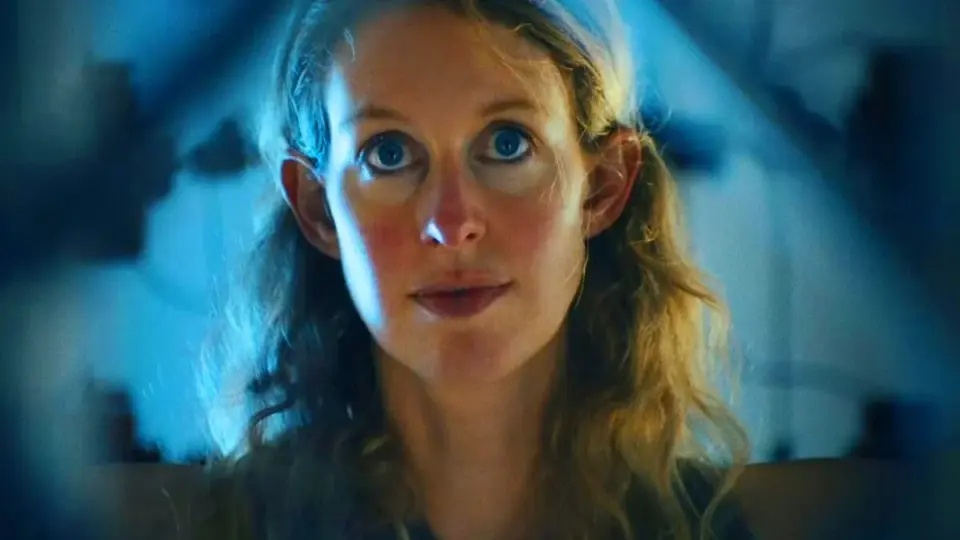
Nathan Fielder and Lance Oppenheim’s documentary 'You Can See Everything' has become a cultural and commercial phenomenon, grossing over $45 million in North America and expanding to 2,655 screens. The film, which documents the final weeks of freedom for disgraced Theranos CEO Elizabeth Holmes before her 11-year prison sentence, has sparked intense debate about the nature of truth, the ethics of documentary filmmaking, and the integrity of modern tech journalism.
Key points
- The film has grossed over $45 million in North America, rising 25% in its second weekend, and is on track to become one of A24’s highest-grossing nonfiction features.
- The documentary explores the ambiguity of Holmes’s character, leaving audiences uncertain whether she is a calculated liar or a deluded believer in her own lies.
- Gizmodo’s Justin Caffier uses the film as a catalyst to critique the erosion of journalistic integrity, highlighting how press trips and access can compromise objectivity.
- Christianity Today’s Russell Moore argues the film exposes the danger of hyperliteralism in lying, where individuals may believe their own deceptions, echoing biblical warnings about deceit.
- The film’s unconventional methods, including Fielder’s on-camera presence and re-enactments, have sparked debate within the Academy’s documentary branch over eligibility and artistic honesty.
Background
Prior coverage established that 'You Can See Everything' was announced only eight weeks before its release, yet it quickly became a box office hit, outperforming major narrative films. Fielder and Oppenheim have defended their methods, including a 'kill switch' clause with A24, and admitted confusion over why Holmes and her partner Billy Evans invited them into their lives. The film’s release coincided with discussions about its potential Oscar eligibility and its impact on public discourse regarding Theranos.
How outlets are covering it
Gizmodo frames the film as a mirror for tech journalism’s failures, arguing that access journalism and PR-driven press trips erode objectivity, much like the unchecked claims in early Theranos coverage. The Guardian emphasizes the film’s cultural impact and audience reactions, noting that viewers are drawn to the 'WTF' nature of the project and the mystery of Holmes’s motives, with many reporting 'admiring confusion' rather than clear judgment. Christianity Today focuses on the theological and ethical dimensions, suggesting the film highlights the danger of self-deception and the impossibility of fully knowing another’s interiority, urging humility in the face of deceit. While Gizmodo and Christianity Today both question Holmes’s sincerity, Gizmodo critiques the media ecosystem’s complicity, whereas Christianity Today focuses on individual moral responsibility. The Guardian, by contrast, highlights the film’s broad appeal and the unpredictability of audience engagement, noting that it has attracted non-documentary viewers and outperformed traditional blockbusters.
Why it matters
The film’s success challenges conventional definitions of documentary and highlights the public’s appetite for complex, ambiguous narratives. It forces a reckoning with the ethics of access in journalism and the difficulty of discerning truth in an era of hyperliteralism and self-deception. Its commercial performance also signals a shift in audience preferences, suggesting that viewers are willing to engage with long-form, non-traditional content that resists easy answers, potentially influencing future documentary and media strategies.
What to watch
The film is expected to continue its box office run, potentially surpassing $100 million in North America, and is being positioned for Academy Awards consideration. The debate over its eligibility and artistic merit within the documentary branch will likely continue, while discussions about its impact on tech journalism and public trust in media will persist. Fielder and Oppenheim may face further scrutiny over their methods, and the film’s legacy will likely influence how future documentaries approach controversial subjects and the ethics of access.
- What Nathan Fielder’s ‘You Can See Everything’ Taught Me About Tech Journalism Gizmodo
- Opinion | I’m in ‘You Can See Everything.’ Here’s My Side of the Story. The New York Times
- Elizabeth Holmes’ Forbes Cover Photo Takes Center Stage In Nathan Fielder Film Forbes
- ‘A cultural moment’: smash hit doc You Can See Everything continues to dazzle America The Guardian
- What a Painfully Weird Movie Can Show Us About Lying and Liars Christianity Today
Want the full story? Read the original reporting
Read on Gizmodo