
Hollywood Unions Split Over Paramount-WBD Merger as Ellison Threatens California Exit
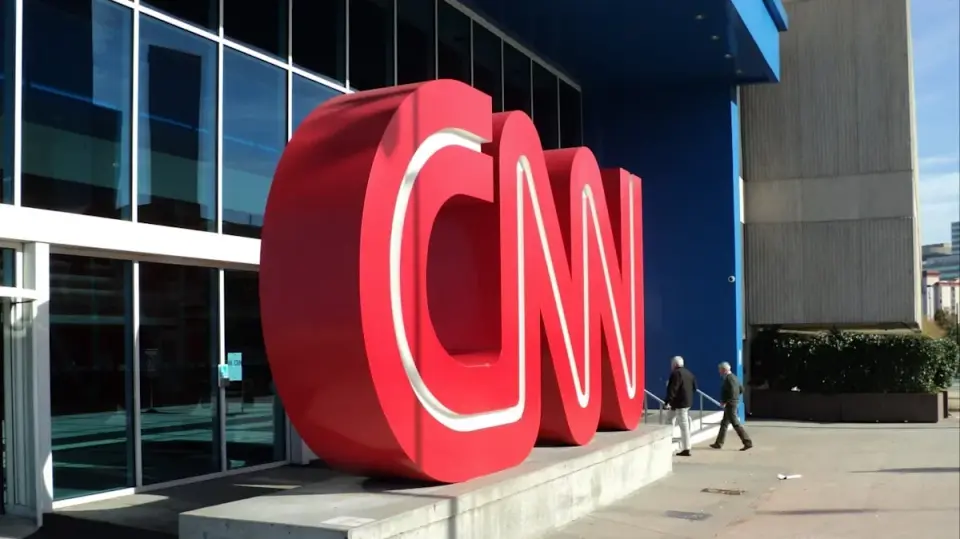
David Ellison is now willing to sell CNN to save his $111 billion Paramount-Warner Bros. Discovery merger, but this concession does not resolve the ongoing antitrust lawsuit. The deal faces a fractured labor front: DGA and IATSE urge a settlement to prevent production halts, while the Writers Guild sues to block the merger entirely. Ellison has threatened to move operations out of California by October 1 if no deal is reached.
Key points
- DGA and IATSE leaders Russell Hollander and Matthew Loeb wrote to California Attorney General Rob Bonta and David Ellison, urging a settlement or expedited trial to protect jobs in a struggling industry.
- The Writers Guild of America opposes the merger, filing its own lawsuit to block it, arguing it would reduce competition and suppress writer compensation.
- Ellison has threatened to pull Paramount operations out of California starting October 1 if the state refuses to negotiate a settlement, a move criticized by Teamsters leader Lindsay Dougherty.
- The antitrust trial is scheduled for March 2027, a timeline unions argue is damaging due to current production freezes and job losses.
- Bonta rejects 'behavioral' remedies like production quotas, insisting on structural changes, while Paramount remains unwilling to accept such conditions.
Background
This dispute follows earlier Democratic probes into Ellison’s alleged collusion with President Trump to secure merger approval, including promises to overhaul CNN. Investors have also sued in Delaware, alleging a side deal involving Trump. Previous reports indicated Ellison proposed a 30-film annual slate for theaters to address antitrust concerns, but the current legal standoff has frozen the $111 billion transaction.
How outlets are covering it
The Hollywood Reporter and Variety highlight the deep division within Hollywood labor. DGA and IATSE prioritize immediate job security, citing a 36-40% drop in hours since 2022, and fear further uncertainty. Conversely, the Writers Guild views the merger as a long-term threat to creative diversity and pay, supporting the state’s antitrust suit. SAG-AFTRA and Teamsters occupy a middle ground, supporting the lawsuit but demanding enforceable safeguards for production volume. Theaters are also split, with Regal and AMC endorsing the deal while Cinema United opposes it.
Why it matters
The outcome determines the future of major studio consolidation in the US. A blocked merger could preserve competition but prolong industry uncertainty, while a settlement might stabilize production but raise concerns about reduced creative diversity. The threat of a California exodus adds economic pressure on local unions and state regulators.
What to watch
Negotiations between Bonta and Ellison are critical before the October 1 deadline. If no settlement is reached, the trial proceeds in March 2027, potentially leading to a structural breakup of the merged entity or a prolonged legal battle that continues to disrupt production schedules.
- Ellison Is Now Willing to Sell CNN to Save His $111 Billion Deal. It Wouldn’t End the Lawsuit. Yahoo Finance
- The War Over Warner Bros. Is Splintering Hollywood’s Labor World The Hollywood Reporter
- Six Tough Truths About David Ellison and WarnerMount puck.news
- DGA and IATSE Push Rob Bonta to Allow Paramount-Warner Bros. Merger With Conditions Variety
- Paramount’s Merger Strategy: Empty Promises and Empty Threats The American Prospect
Want the full story? Read the original reporting
Read on Yahoo Finance