
Bonta Calls Ellison's California Exit Threat 'Blackmail' as Paramount-WBD Merger Fight Escalates
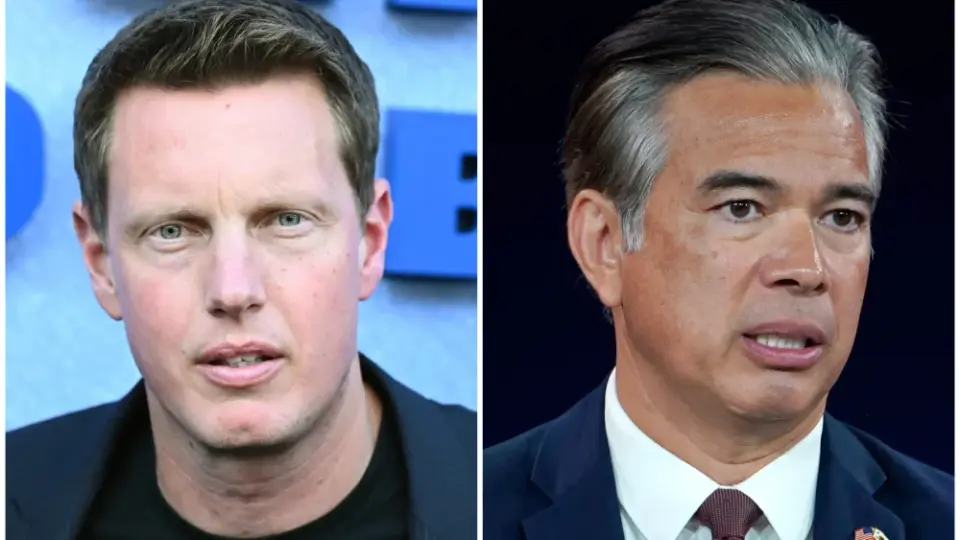
California Attorney General Rob Bonta has dismissed David Ellison's threat to relocate Paramount out of the state as a 'blackmail' tactic that will fail. Ellison warned that if Bonta does not agree to settlement talks, Paramount will begin moving operations out of California on October 1, potentially taking Warner Bros. Discovery with it. While Ellison expressed confidence in winning the antitrust case, Bonta maintains the merger is illegal and that the states' lawsuit is about market concentration, not politics.
Key points
- Bonta called the relocation threat a failed attempt to force a settlement, noting Paramount has already paused the merger until a court decision or June 2027.
- Ellison told executives he would start exiting California on October 1 if no settlement talks begin, with potential new locations including Georgia, Texas, and Tennessee.
- The 12-state coalition argues the merger would create a monopoly controlling nearly one-third of theatrical distribution and basic cable, while Ellison claims the case is politically motivated.
- Paramount faces a 'ticking fee' of $7 million per day if the deal does not close by September 30, adding financial pressure to the standoff.
Background
This dispute follows a federal lawsuit filed on July 13 by 12 state attorneys general to block the $110 billion Paramount-WBD acquisition. A federal judge previously issued a temporary restraining order, leading Paramount to pause the merger. Recent weeks have seen Ellison launch a public relations campaign, including op-eds and endorsements from industry figures, to counter the antitrust narrative. The states argue the deal would reduce competition in three distinct markets, while Paramount contends the merger is necessary to compete with streaming services.
How outlets are covering it
Variety and Deadline emphasize the legal and political clash, with Bonta explicitly labeling the move as 'blackmail' and asserting the lawsuit is a straightforward antitrust enforcement action. Al Jazeera highlights the economic leverage Ellison is attempting to use against California's film industry, noting potential job losses in Los Angeles. Puck frames the relocation as a calculated political pressure tactic, suggesting Ellison is trying to force Bonta to the negotiating table despite his stated confidence in winning at trial. While Variety and Deadline focus on the legal merits and Bonta's rebuttal, Al Jazeera and Puck focus on the strategic and economic implications of the threat.
Why it matters
The outcome of this standoff could reshape the structure of Hollywood's major studios and the distribution of media content across the United States. A successful relocation would shift significant economic activity and jobs away from California, while a blocked merger would maintain the current competitive landscape. The case also sets a precedent for state-level antitrust enforcement against large media consolidations, potentially influencing future deals in the entertainment industry.
What to watch
The next critical date is October 1, when Ellison has threatened to begin the relocation process if no settlement talks have commenced. The merger is paused until a court decision or June 1, 2027, with a trial scheduled for March 2027. Paramount faces a $7 million daily fee if the deal does not close by September 30, which may influence its willingness to continue the legal battle or seek a settlement.
- California Attorney General Slams David Ellison's Plan to Pull Paramount Out of the State as 'Blackmail' Attempt That 'Won't Work' Variety
- Paramount CEO may remove operations from California over stalled merger Al Jazeera
- David Ellison Has Gamed Out His California Exit puck.news
- Opinion | David Ellison: In Defense of the Paramount-Warner Deal The New York Times
- Rob Bonta Op-Ed: David Ellison Running WBD Disinformation & Side Deals deadline.com
Want the full story? Read the original reporting
Read on Variety