
Wiesenthal Center Backs Paramount in Ruffalo Merger Dispute
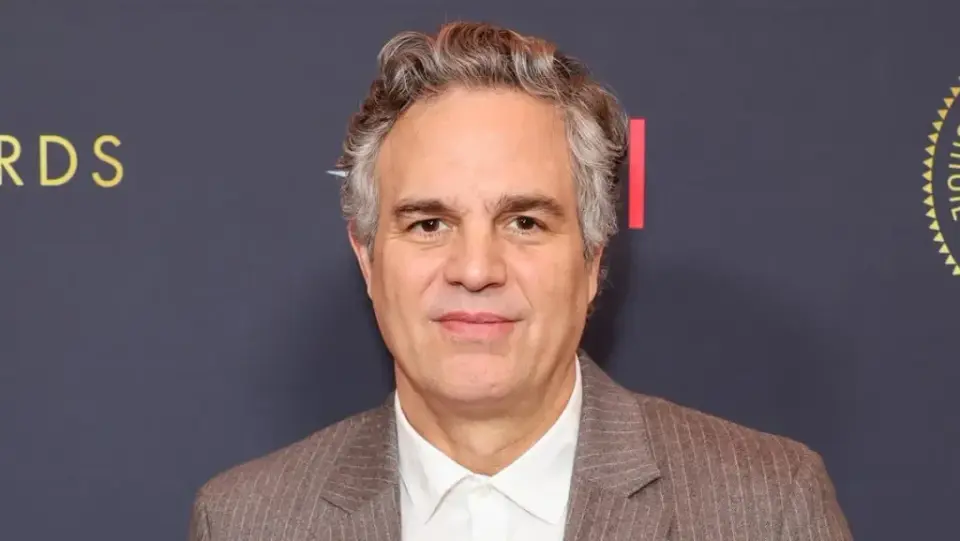
Simon Wiesenthal Center CEO Jim Berk condemned actor Mark Ruffalo for invoking antisemitic tropes during his opposition to the Paramount-Warner Bros. Discovery merger. Berk stated that Ruffalo conflated corporate criticism with prejudice, calling the remarks a 'textbook case of obsession and demonization.' Ruffalo, who criticized Oracle’s ties to Israel, rejected the accusation as dishonest, emphasizing his respect for Jewish people. The dispute centers on the $111 billion merger, which faces antitrust challenges from 12 state attorneys general.
Key points
- Jim Berk, CEO of the Simon Wiesenthal Center, issued a statement supporting Paramount’s response to Mark Ruffalo.
- Berk described Ruffalo’s use of terms like 'genocide' and 'apartheid' in a corporate context as antisemitic.
- Ruffalo responded by calling the accusation 'appalling and fundamentally dishonest,' clarifying his views target corporate actions, not Jewish people.
- The controversy stems from Ruffalo’s Instagram post linking Oracle’s technology to Israel and the proposed merger.
- The $111 billion Paramount-Warner Bros. Discovery deal is currently blocked by a coalition of 12 state attorneys general.
Background
This dispute follows weeks of public tension regarding the proposed merger between Paramount and Warner Bros. Discovery. Previous coverage noted that Ruffalo had been vocal in opposing the deal, citing concerns over media consolidation and labor impacts. Paramount had previously issued statements urging civility and condemning what it viewed as prejudice, while Ruffalo maintained his stance that the merger poses national security and editorial freedom risks. The current escalation involves formal condemnation from the Simon Wiesenthal Center, marking a significant shift in the public discourse surrounding the merger.
How outlets are covering it
Outlets diverged significantly in their framing of the incident. Deadline and the Jerusalem Post highlighted the Simon Wiesenthal Center’s strong support for Paramount, emphasizing Berk’s characterization of Ruffalo’s remarks as 'demonization.' In contrast, Fox News and the New York Post focused on Ruffalo’s rebuttal, presenting his argument that criticizing Israeli military technology is distinct from antisemitism. The New York Post used more emotive language, describing Ruffalo’s post as an 'unhinged rant,' while Fox News detailed his statement to the effect that his views are rooted in political convictions and respect for Jewish colleagues. All sources agreed on the core facts: Ruffalo’s post referenced Oracle’s Safra Catz, Paramount’s spokesperson condemned the 'antisemitic tropes,' and the merger remains legally contested by state regulators.
Why it matters
This incident illustrates the escalating intersection of corporate mergers, political activism, and accusations of prejudice in the media industry. The involvement of the Simon Wiesenthal Center adds a layer of institutional weight to the debate, potentially influencing public perception of the merger’s legitimacy. Furthermore, the dispute highlights the ongoing legal and regulatory hurdles facing the $111 billion deal, which is subject to antitrust scrutiny from multiple state attorneys general and could face further delays or financial penalties if not resolved by the September 30 deadline.
What to watch
Paramount and Warner Bros. Discovery are required to pay a $7 million daily fee if the merger does not close by September 30. The companies have agreed to a stay until June 1, 2027, or until a court decision on the states' antitrust claims, whichever comes first. Ruffalo has not yet provided a further response to the Simon Wiesenthal Center’s statement, and the legal proceedings involving the 12 state attorneys general are expected to continue through the fall.
- Simon Wiesenthal Center CEO Calls Out Mark Ruffalo For “Antisemitism” & “Demonization” Deadline
- Mark Ruffalo fires back at Paramount over 'appalling' antisemitism accusation tied to Ellison merger criticism Fox News
- Paramount hits back at lefty actor Mark Ruffalo over unhinged, ‘antisemitic’ rant against Warner Bros merger New York Post
- Avengers star Mark Ruffalo attacks Ellison family, links Oracle to Israel The Jerusalem Post
- Oscar Nominee Escalates Fight Against Trumpy Billionaire The Daily Beast
Want the full story? Read the original reporting
Read on Deadline