
Musk's Legal Threats and X Rants Backfire as Gibney's 'Musk' Documentary Wins Critical Acclaim
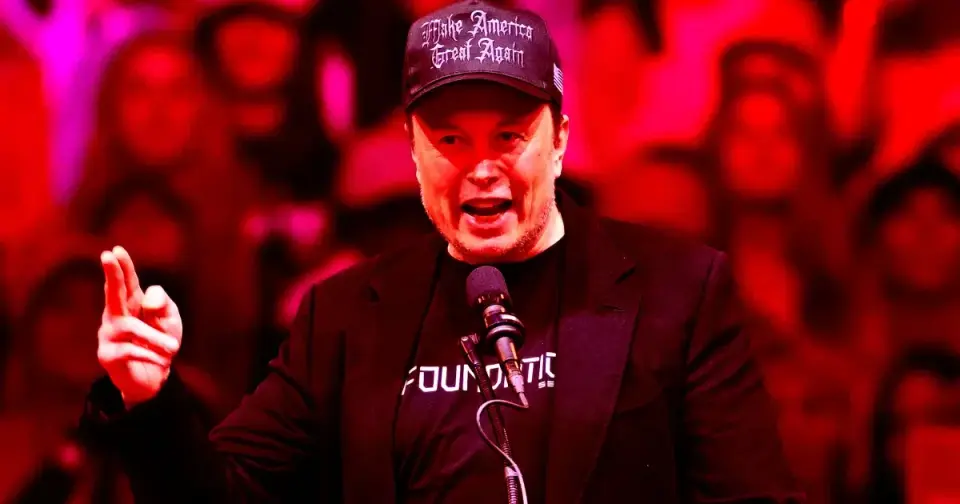
Elon Musk has threatened legal action against Oscar-winning director Alex Gibney over the new four-hour documentary 'Musk,' which premiered at the Venice Film Festival. Musk's attorney, Alex Spiro, sent a formal notice to Jigsaw Productions alleging the film defames Musk by insinuating he used Starlink satellites to influence the 2024 US presidential election. While Musk has aggressively attacked the film on X, calling it a 'boring hit piece,' the documentary has received a five-minute standing ovation and positive reviews from major outlets. Gibney's team has responded by citing First Amendment protections and noting that Musk, a self-proclaimed free speech absolutist, is attempting to silence critical journalism. The film, which features an AI avatar of Musk instead of a direct interview, is set for a limited theatrical release in the US on October 16.
Key points
- Alex Gibney's documentary 'Musk' premiered at the Venice Film Festival on September 9, 2026, receiving a five-minute standing ovation and largely positive reviews from critics like Variety and The Hollywood Reporter.
- Elon Musk's attorney, Alex Spiro, sent a formal legal notice to Jigsaw Productions on September 3, 2026, alleging the film defames Musk by implying he used Starlink satellites to rig the 2024 election for Donald Trump.
- Musk has posted multiple times on X, labeling Gibney a 'bitter old man' with 'zero integrity' and calling the film a 'hit piece that misses' and 'boring af.'
- The documentary does not feature a direct interview with Musk; instead, it uses an AI-generated avatar that quotes statements Musk has made publicly, a decision made after Musk refused to participate.
- Jigsaw Productions responded to the legal threat by stating that Gibney's fact-based approach is protected by the First Amendment and that the production attempted to engage with Musk's team for fact-checking, which was refused.
- Ashley St. Clair, a former partner of Musk featured in the film, dismissed the legal threats as a 'joke' and 'fairy dust letters,' noting that defamation cases are difficult to win in the US.
Background
This story follows the announcement of Alex Gibney's documentary project in March 2023, when Musk first labeled it a 'hit piece' before any details were known. The conflict escalated in September 2026 with the Venice premiere and subsequent legal threats. The documentary's critical reception and Musk's public backlash highlight ongoing tensions between tech billionaires and investigative journalism, particularly regarding the use of social media platforms like X to influence public discourse and suppress critical narratives.
How outlets are covering it
Futurism and The Hollywood Reporter emphasize the legal threat from Musk's attorney, Alex Spiro, focusing on the specific allegation that the film defames Musk by insinuating Starlink was used to influence the 2024 election. They note that the film's critical reception and the difficulty of winning a defamation case in the US undermine Musk's legal strategy. The Guardian highlights Musk's aggressive rhetoric on X, including his use of conspiracy theories and his dismissal of Gibney as a 'bitter old man,' while also noting the film's critical success. BBC focuses on the documentary's content, noting that it is a comprehensive, largely negative profile that uses an AI avatar of Musk and features contributions from figures like David Byrne and Ashley St. Clair. All sources agree that the film has been well-received by critics, with The Hollywood Reporter calling it a 'poleaxing portrait' and Variety describing it as 'a lacerating and important watch.'
Why it matters
This story illustrates the ongoing tension between powerful tech figures and investigative journalism, particularly in the era of social media dominance. Musk's attempt to use legal threats and public rhetoric to suppress a critical documentary highlights the challenges faced by journalists in holding powerful individuals accountable. The film's critical success and the public's engagement with it suggest that such attempts to silence critics may backfire, increasing public interest and scrutiny. The case also raises questions about the limits of free speech and defamation law in the digital age, where public figures can use their platforms to shape narratives and suppress dissent.
What to watch
The documentary 'Musk' is set for a limited theatrical release in the US on October 16, 2026, followed by a streaming release on HBO Max. The legal threat from Musk's attorney may lead to further public debate and potentially a lawsuit, though the difficulty of winning a defamation case in the US makes this unlikely. The film's critical reception and public engagement may influence its commercial success and the broader discourse around Musk's influence and power. Future developments may include further public statements from Musk and Gibney, as well as potential legal actions or responses from other parties involved in the documentary.
- Elon Musk Is So Mad About This New Documentary That He’s Threatening Legal Action Futurism
- Elon Musk threatens to sue over Gibney documentary's "space lasers" claim NPR
- Five things you need to know about the new four-hour Elon Musk documentary BBC
- Elon Musk attacks film-maker behind documentary about him theguardian.com
- Alex Gibney Team Jabs “Free Speech Absolutist” Elon Musk Over Documentary Legal Threat The Hollywood Reporter
Want the full story? Read the original reporting
Read on Futurism