
Hollywood's AI Shift: From Cost-Cutting Tools to Cultural Flashpoints
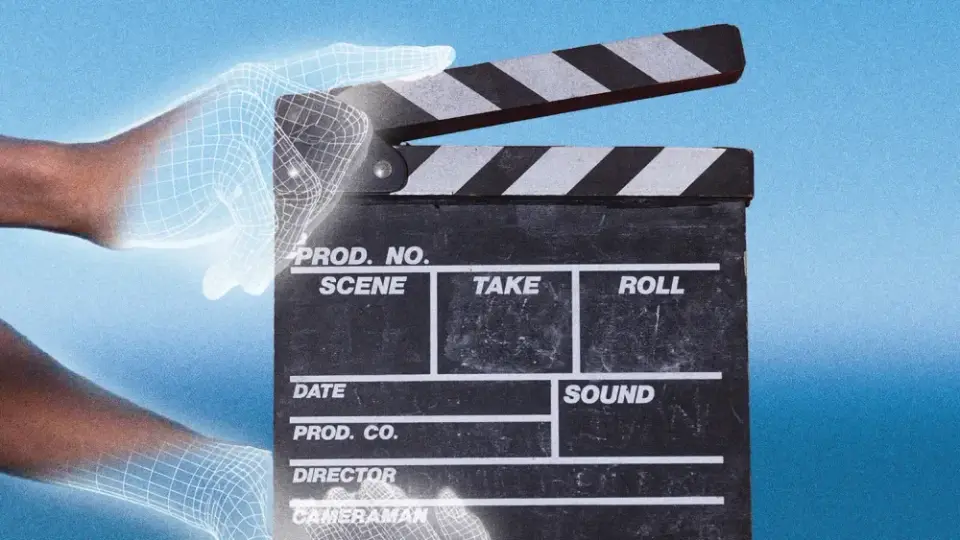
Hollywood is increasingly integrating AI into film production, driven by significant cost reductions and creative experimentation, despite persistent backlash from unions and audiences. While major studios and directors embrace AI as a tool for efficiency and new storytelling, industry bodies and performers remain divided over consent, job displacement, and the definition of authentic art.
Key points
- AI adoption in Hollywood has accelerated in 2026, with major figures like George Lucas, Martin Scorsese, and Reese Witherspoon publicly supporting the technology's integration into filmmaking.
- Producer Ryan Kavanaugh reports that AI usage reduced the budget for Doug Liman's film 'Bitcoin' from $200 million to $70 million, with below-the-line costs dropping from $130 million to $35 million.
- Steven Soderbergh disclosed using approximately 10 minutes of AI-generated content in his documentary 'John Lennon: The Lost Interview,' arguing that the technology enhanced the final product without replacing traditional VFX costs.
- The Academy of Motion Picture Arts and Sciences and the Cannes Film Festival have banned AI-generated content and scripts from awards consideration, while the Writers Guild of America withdrew sponsorship from the Urbanworld Film Festival after it accepted AI submissions.
- Cate Blanchett co-founded the Human Consent Foundation to create a database for registering how individuals' likenesses can be used by AI models, aiming to address consent and compensation issues.
- Jeffrey Katzenberg is developing an AI animation studio, comparing the potential shift to the acceptance of CGI in the 1990s, while warning that resisting technology risks industry irrelevance.
Background
This development follows a broader trend of AI integration in creative industries, previously highlighted by small businesses adopting AI for menu design despite backlash. In September 2026, California Governor Gavin Newsom signed an executive order for AI safety and a $15 million pilot program to train Hollywood workers for AI integration, reflecting state-level efforts to manage the transition. Additionally, recent Hollywood slates have shifted toward portraying tech billionaires as antagonists, mirroring the growing public skepticism toward AI's societal impact.
How outlets are covering it
Variety emphasizes the shift from AI being a 'bad word' to a mainstream tool, citing cost savings and endorsements from high-profile directors. NDTV highlights the controversy surrounding Tilly Norwood, the first AI-generated actor, and the strong opposition from SAG-AFTRA, which argues that synthetic performers replace human jobs without consent. D Magazine presents a more nuanced view from Dallas filmmakers, who support AI for operational tasks and creative supplementation but oppose its use as a holistic replacement for human storytelling. LBB features director Willem Gerritsen, who views AI as a tool for democratizing high-budget visuals while expressing concern that it may lower the overall quality bar if not used with skilled direction.
Why it matters
The integration of AI into Hollywood is reshaping production economics, creative processes, and labor relations. As studios seek efficiency and new storytelling methods, the industry faces a critical juncture in balancing innovation with ethical standards, union protections, and audience expectations. The outcome will determine whether AI becomes a standard tool for enhancement or a source of displacement and cultural friction.
What to watch
Expect continued debate over AI usage in awards and festivals, with the Academy and Cannes maintaining bans while other venues remain open. The Human Consent Foundation's database may gain traction as a standard for likeness rights. Studios will likely continue to experiment with AI for cost reduction, but public backlash and union actions may force stricter disclosure and ethical guidelines. The development of AI animation studios by major executives could signal a broader acceptance of the technology in the coming years.
- Open to AI: Hollywood Is Embracing Artificial Intelligence Tools Despite Doomsday Fears Variety
- Tilly Norwood At NDTV World Summit 2026: All About The World's First 'AI Actor' NDTV
- Is There A Role For AI in Filmmaking? D Magazine
- The Possibilities of AI in Filmmaking with Willem Gerritsen — LBB LBB - Little Black Book
- Can “Ethical” A.I. Win Over Hollywood? Puck
Want the full story? Read the original reporting
Read on Variety