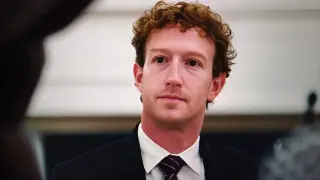
Meta pulled the default opt-in for using Instagram posts to train its Muse AI after backlash from SAG-AFTRA, apologizing and removing the auto-use toggle. While the company says it heard the feedback, concerns about how AI systems use social-media data and ownership of images persist.
Meta released Muse Image, an AI image generator that could reference public Instagram accounts by default. After rapid backlash from creators and SAG-AFTRA over consent and privacy concerns, Meta pulled the feature within days, though Muse Image remains available. The episode illustrates a recurring pattern where AI products provoke backlash and retreats before companies pivot to messaging around productivity and practical use.
An in-depth look at AI-generated 'actor' Tilly Norwood, who headlines the upcoming film Misaligned, a test case for AI-assisted cinema set in a fictional 'Tillyverse'. While her creator says AI can augment human craft and reduce production costs, the project has drawn backlash from flesh-and-blood actors and unions who warn that AI can mimic performers without permission or compensation. Prominent figures weigh in—some skeptical about whether Norwood can act—ending with questions about whether cinema is already entering an AI-driven future.
SAG-AFTRA and industry groups condemn Meta's Muse Image AI for using publicly posted Instagram content to generate images without user consent and urge users to opt out in the Instagram app (Profile > Menu > Sharing and reuse > disable 'Allow people to use your content on Instagram with AI features' for Posts and Reels); this stance, echoed by CAA, highlights a broader backlash against opt-out AI policies and creator rights.
Tilly Norwood, an AI-generated 'actor' created by Particle6 Productions, will star in the feature Misaligned, a hybrid production blending AI and human filmmakers. SAG-AFTRA denounced the project as devaluing human artistry and using stolen performances, while Particle6 says AI will augment but not replace human craft.
SAG-AFTRA members approved a four-year contract that includes new guardrails on AI usage, a merger of the union’s pension funds, and improved wages and residuals, with arbitration provisions designed to curb synthetic performances; while leaders say the deal protects performers, some members warn studios may push AI limits and it requires further approvals from employers for the pension merger.
SAG-AFTRA members overwhelmingly ratified the 2026 TV/Theatrical Agreement with the AMPTP, voting 91.42% in favor with a 19.25% turnout. The deal tightens AI and digital-identity protections, restricts synthetic performances, and creates a path to merge the SAG-Producers Pension Plan with the AFTRA Retirement Fund, while delivering wage and health-benefit gains and streaming residual improvements that run from July 1, 2026 to June 30, 2030.
The SAG-AFTRA board approved a four-year contract with the major studios, including a plan to merge the union’s two pension funds on January 1, 2028, backed by a 1% hike in contributions to stabilize the merged fund; the agreement also expands streaming residuals funding from 25% to 35%, adds AI guardrails (no guaranteed union-fund payments for synthetic characters unless there’s clear value, with arbitration to enforce terms), and raises most minimums by 3% annually. Members will vote to ratify after webinars and mail instructions, amid ongoing concerns from some beneficiaries that the merger could weaken the pension, while proponents say it benefits those with earnings split between plans.
SAG-AFTRA’s national board decisively approved a four-year tentative contract with the AMPTP and sent it to members for ratification. The agreement includes merging the SAG-Producers Pension Plan and AFTRA Retirement Fund with an additional 1% contribution by January 1, 2028, stronger AI guardrails around consent and compensation, and minimum-rate increases, following resumed talks that preceded the WGA deal earlier in the year.
Meryl Streep is rumored to skip the Met Gala amid boycott calls over Amazon sponsorship and co-chairs Jeff Bezos and Lauren Sánchez, while the entertainment news digest covers John Oliver’s critique of unregulated gas-station drugs, SAG-AFTRA reaching a tentative four-year deal with studios to avert strikes, and Adam Scott recounting a failed bid to sneak into Hellraiser 6 during promo for Severance and a papal meeting.
Jodie Sweetin disclosed on The McBride Rewind that a recent Full House residual check was just one cent, illustrating how streaming has gutted traditional syndication pay. She notes that when shows live on streaming, payments are unpredictable and often scarce, a point SAG-AFTRA has highlighted as residuals decline. Sweetin, who also starred in Fuller House, says she leads a modest life—driving a used 2023 Hyundai, renting her home, and having maxed out some credit cards—and leaves the door open to returning to the franchise in the future.
SAG-AFTRA has struck a tentative four-year deal with the major studios’ AMPTP for a successor contract covering film, scripted primetime drama, streaming content and new media, extending the term by one year in exchange for longer labor peace; terms will be reviewed by the union’s board before a member vote. The pact follows the Writers Guild of America’s tentative agreement and includes protections around AI and digital replicas and other streaming-related issues, with the board expected to review details in the coming days and the Directors Guild of America set to begin negotiations soon.
Deadline reports SAG-AFTRA and AMPTP have reached a tentative four-year contract covering motion pictures, scripted primetime drama, streaming and new media, including AI guardrails and a pension fund boost; the deal heads to SAG-AFTRA’s national board for review before a membership vote by about 160,000 actors, with details held until the board review. Negotiations began Feb. 9, paused for the WGA deal, then resumed and concluded May 2; the DGA is up next in line.
SAG-AFTRA and the AMPTP have reached a four-year contract that includes a sizable pension-fund contribution and new AI guardrails, signaling a bigger deal that follows the WGA’s recent agreement. With the DGA set to meet AMPTP on May 11 and no official comment yet, an announcement is expected later today or over the weekend.
SAG-AFTRA issued a Do Not Work Order against Capcom's Mega Man: Dual Override after Capcom failed to initiate the signatory process for a unionized cast, prompting Ben Diskin to say he won’t return as Mega Man; Diskin suggests Capcom is avoiding union protections and AI safeguards, with no public Capcom statement yet.