
Simmons’s ChatGPT Ads Spark Backlash Over Ringer’s Creative Identity
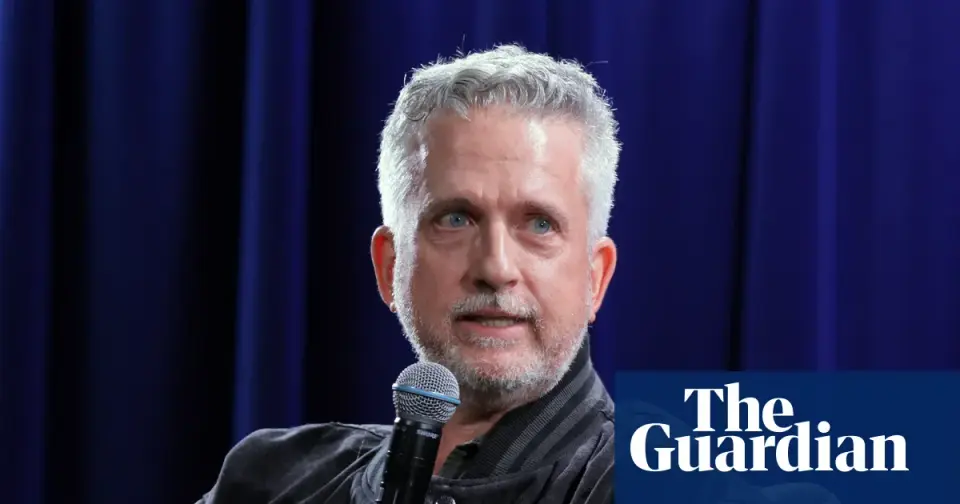
Bill Simmons’s recent use of ChatGPT as a podcast sponsor and content generator has triggered significant criticism from fans and staff, marking a sharp departure from his legacy as a champion of human creativity. While Simmons promotes AI tools on his shows, The Ringer’s written output has declined, and internal staff have expressed discomfort with the shift. This controversy highlights broader tensions in media between technological adoption and the preservation of unique editorial voices.
Key points
- Simmons used ChatGPT to generate opinions on Russell Westbrook and Roger Ebert, framing the AI as a 'sponsor' on his podcasts.
- The New York Times reports that film buffs and critics view the use of AI to mimic the late Roger Ebert as disrespectful and incongruous with Simmons’s status as a writer.
- The Guardian notes that The Ringer’s written output has dropped to three articles daily, despite having 25 staff writers, while its focus has shifted heavily toward podcasting.
- Staff members Sean Fennessey and Amanda Dobbins publicly distanced themselves from Simmons’s AI segments, indicating internal disapproval that may not be fully voiced due to power dynamics.
- Recent layoffs of prominent writers like Claire McNear and Miles Surrey, combined with low pay complaints, suggest a deteriorating environment for writers at the Spotify-owned outlet.
Background
This controversy follows a series of recent missteps for Simmons, including a proxy betting investigation by the Massachusetts Gaming Commission and internal tensions regarding his leadership style. Previous coverage noted that while Simmons built his empire by embracing tech platforms, these moves have now sparked backlash from both regulators and his own employees, signaling a potential retreat from his peak influence.
How outlets are covering it
The Guardian frames Simmons’s AI use as a betrayal of the 'creative spirit' of his former platform, Grantland, which prioritized ambitious human writing. It emphasizes the irony of a founder of a writing-focused site promoting a technology that erodes such work. The New York Times focuses more on the specific backlash from the film community regarding the mimicry of Roger Ebert, highlighting the perception that Simmons is misappropriating another writer’s voice. While both agree the move is unpopular, the Guardian links it to a broader decline in The Ringer’s written output and staff morale, whereas the NYT centers the immediate public outrage over the specific Ebert segment.
Why it matters
The incident illustrates the growing friction between traditional media figures and AI integration, particularly when it conflicts with a brand’s historical identity. It raises questions about the future of human creativity in media, the ethical boundaries of using AI to simulate deceased figures, and the impact of such shifts on employee morale and the quality of journalism in a well-funded but increasingly podcast-centric outlet.
What to watch
Expect continued internal tension at The Ringer as staff navigate Simmons’s AI-driven direction. The outcome of the Massachusetts proxy betting investigation may further impact Simmons’s public standing. The Ringer may face pressure to clarify its editorial standards regarding AI use, potentially leading to more public pushback from its writing staff or a strategic pivot back to human-generated content to retain talent.
Want the full story? Read the original reporting
Read on The Guardian