
NewJeans Contracts Stripped Child Protections, NYT Report Reveals
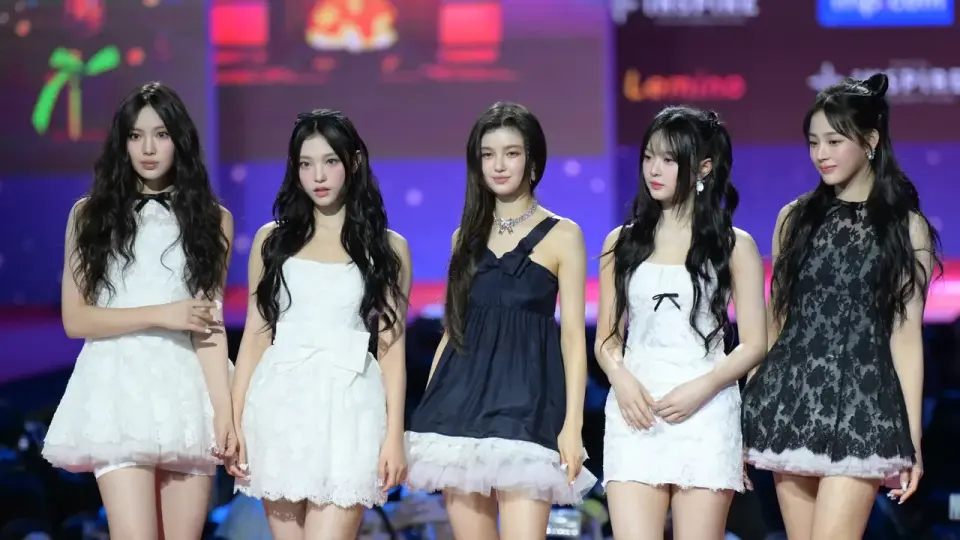
A New York Times investigation reveals that NewJeans’ contracts with label ADOR omitted standard Korean government protections for minors, including rights to education, health, and rest. The agreements, signed when members were aged 14 to 17, included strict personal restrictions and perpetual AI voice rights. ADOR has sued member Danielle Marsh for breach of contract, alleging $22 million in damages, while the other members remain under contract until 2029.
Key points
- The New York Times report indicates ADOR removed template language guaranteeing education, physical/mental health, and protection against child labor violations.
- Contracts included bans on 'insincere attitude,' 'inappropriate romantic relationships,' and public statements damaging the label.
- ADOR retained indefinite rights to use members' voices and likenesses, including via AI, beyond the contract end date of 2029.
- ADOR sued Danielle Marsh and her family for nearly $30 million, alleging breach of contract and unauthorized solo activities.
- HYBE states its contracts comply with child-protection laws and that exit penalties are standard for the industry's high training costs.
Background
NewJeans, a top-selling K-pop girl group, faced a major dispute in 2024 when members announced their intent to leave ADOR, citing mistreatment. A Seoul court ruled the members did not qualify as workers under the Labour Standards Act. The group briefly rebranded as NJZ and performed in Hong Kong in defiance of an injunction before pausing activities. This latest report details the specific contractual terms that underpinned the legal conflict.
How outlets are covering it
The New York Times and The Guardian emphasize the removal of standard child-protection clauses and the severity of personal restrictions, describing the contracts as 'unusually aggressive.' The Fader notes that while exit fees are common in K-pop, the terms would seem 'horrific' to U.S. artists. HYBE and ADOR maintain that the contracts were legal, negotiated in good faith, and that they do not pressure minors to quit school or penalize rest. They argue that the financial penalties reflect the significant investment in the artists' training and development.
Why it matters
This case highlights the potential for exploitation in the K-pop industry, where trainees often sign restrictive contracts as minors. The removal of standard protections raises questions about the balance between label investment and artist welfare, particularly regarding mental health, education, and the use of AI technology on performers' likenesses.
What to watch
ADOR is pursuing damages from Danielle Marsh, while the remaining NewJeans members are under contract until 2029. The group promised a 'summer of NewJeans' in August 2026, but no new music has been released. The outcome of the lawsuit and the future of the group's activities remain uncertain.
- NewJeans’ Contracts Removed Key Protections Against Child Labor Violations Pitchfork
- NewJeans Contracts Show How K-Pop Keeps Control of its Stars The New York Times
- The Dark Side of K-Pop The New York Times
- K-pop group NewJeans’s contract omitted rights to ‘sleep and free choice’ – report The Guardian
- Take an inside look at NewJeans’s record deal The Fader
Want the full story? Read the original reporting
Read on Pitchfork