
Fenix Flexin Deletes Evidence After Medasin Exposes AI Use in 'Rubberz'
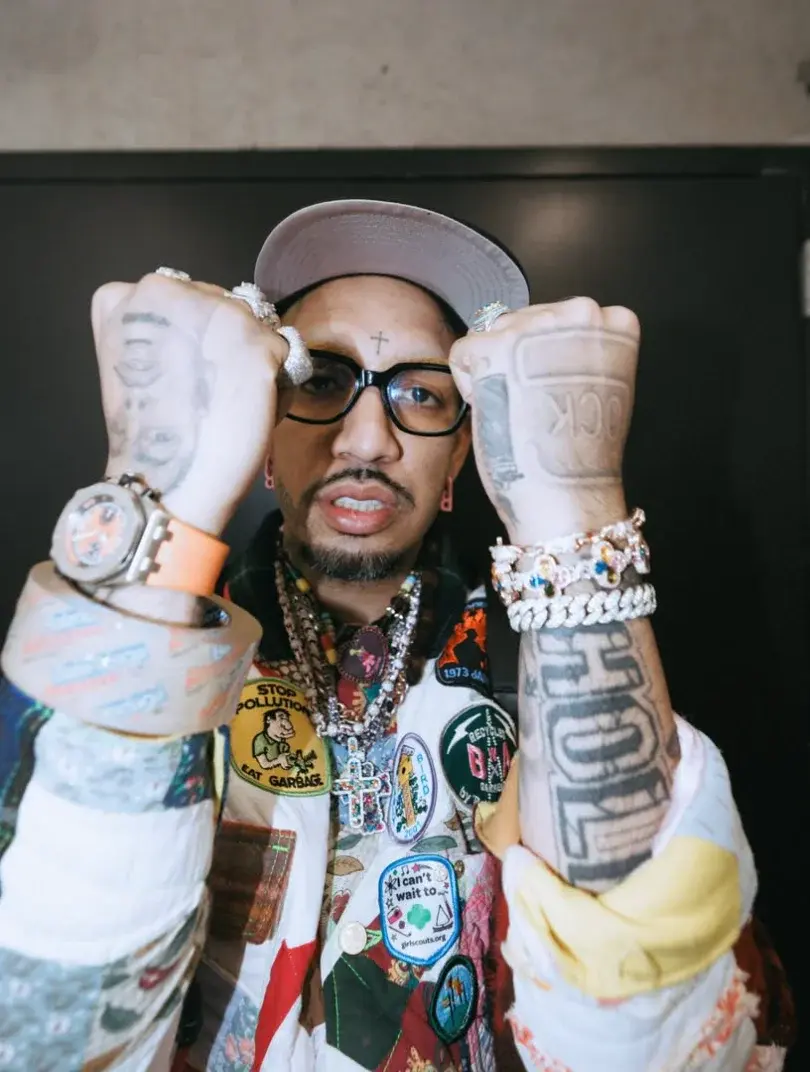
Shoreline Mafia rapper Fenix Flexin deleted a post claiming his viral hit 'Rubberz' was created using traditional recording methods after producer Medasin published a detailed analysis suggesting the track was fully AI-generated. Medasin alleged that Flexin used the software Treblo (formerly Sonauto AI) to create the core of the song, then layered his own vocals over the output to mask the AI origin. Flexin had previously avoided the topic, while his producer Purp On The Beat argued that AI is simply another tool, comparable to Auto-Tune. The controversy highlights growing tensions in the music industry regarding transparency and the ethical implications of using AI in creative processes.
Key points
- Fenix Flexin posted a carousel of videos showing Pro Tools project files and stems to prove 'Rubberz' was made with classic production techniques, but deleted the post shortly after Medasin's response.
- Medasin claimed Flexin used the AI software Treblo (formerly Sonauto AI) to generate the song, noting that Flexin had previously posted a snippet with 'Sonauto' in the file name before the software rebranded two days before the track's release.
- Medasin argued that Flexin used a stem separator to split the AI output into vocals, instruments, bass, and drums, then layered his own vocals on top to make the track appear authentic.
- Purp On The Beat, the credited producer, maintained that artists should use AI like any other tool, comparing it to Auto-Tune, but did not admit the song was AI-generated.
- Medasin stated that he would not engage in a public back-and-forth with Flexin, calling him a 'pathological liar,' and emphasized the need for transparency in AI-generated music on streaming platforms.
Background
This dispute follows a broader industry debate about AI in music, exemplified by a Canadian MLA in July 2026 who faced backlash for reading an AI-generated speech in the legislature. The 'Rubberz' controversy intensifies discussions about the ethical and spiritual implications of replacing human creative journeys with AI prompts, particularly when the underlying AI models are trained on the work of millions of artists without their consent.
Why it matters
The incident underscores the increasing scrutiny of AI-generated content in mainstream music and the potential for public backlash when artists fail to disclose AI use. It also highlights the technical methods used to mask AI output, such as stem separation and layering, and the growing demand for transparency in the music industry. The debate may influence future policies on labeling AI-generated content on streaming platforms and shape public perception of authenticity in music.
What to watch
Medasin has indicated he will return to his music production, while the broader industry may see increased efforts to label and flag AI-generated content on streaming platforms. The controversy could lead to further discussions about the ethical use of AI in music and the rights of artists whose work is used to train AI models.
Want the full story? Read the original reporting
Read on stereogum.com