
Dolly Parton’s 1974 Refusal of Elvis Presley Defined Modern Songwriter Rights
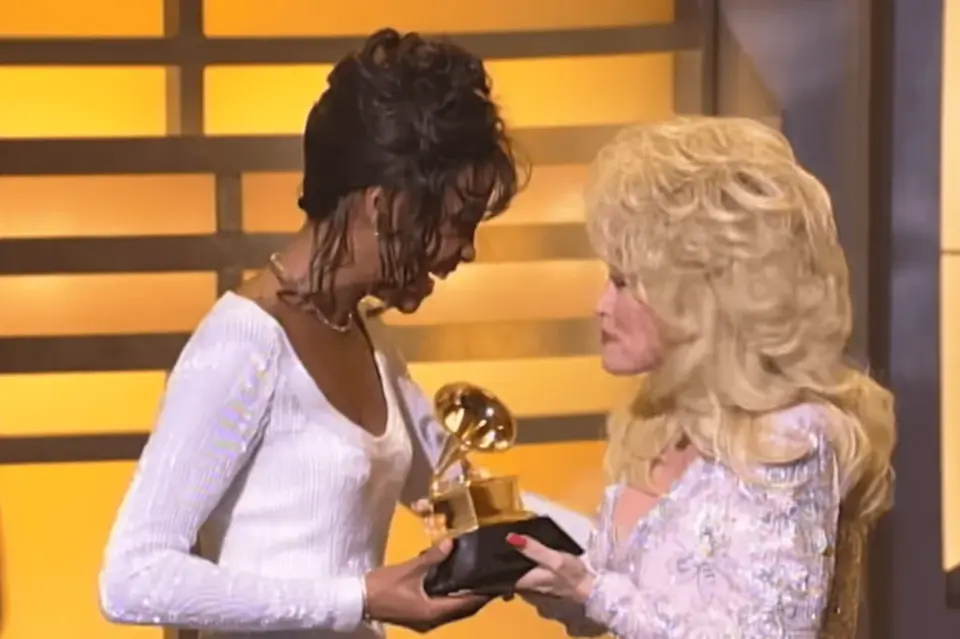
Dolly Parton’s decision to refuse Elvis Presley’s request to cover 'I Will Always Love You' in the 1970s protected her publishing rights, a move that later yielded massive royalties from Whitney Houston’s 1992 hit. This strategic choice is now cited as a pivotal moment in songwriter advocacy, contrasting with her ineligibility for the 1994 Grammy for Song of the Year due to the song's prior release.
Key points
- Parton rejected Colonel Tom Parker’s demand for 50% publishing credit in the 1970s, prioritizing long-term ownership over immediate endorsement.
- Whitney Houston’s 1992 version of the song became a global phenomenon, generating significant revenue for Parton as the sole rights holder.
- Parton was ineligible for the 1994 Grammy for Song of the Year because the song had already achieved prominence in 1974.
- Industry experts cite Parton’s refusal as a historic precedent for protecting intellectual property in an era where artists often surrender credit.
Background
Dolly Parton died at age 80 in August 2026, prompting widespread tributes, including performances by John Mayer and Vin Diesel. Her legacy is increasingly analyzed through the lens of her business acumen, particularly regarding the ownership of her catalog.
How outlets are covering it
Billboard focuses on the technical Grammy eligibility rules that excluded Parton from the 1994 Song of the Year award, noting that the Recording Academy tightened rules after the 1992 'Unforgettable' win to prevent previously famous songs from winning. Business Insider and The Hollywood Reporter emphasize the financial and legal implications of Parton’s 1974 refusal to share publishing rights with Elvis Presley’s camp. While Billboard highlights the regulatory exclusion, the other outlets frame the refusal as a critical business decision that secured her wealth and set a precedent for modern songwriter rights, contrasting with the current industry trend of artists relinquishing credit for recording opportunities.
Why it matters
The story illustrates the long-term value of retaining intellectual property rights in the music industry. It highlights how strategic decisions made decades ago can result in significant financial windfalls and influence modern practices regarding copyright and artist leverage.
What to watch
The discussion is likely to continue regarding the structural changes needed in the music industry to protect songwriters, as well as the ongoing tributes to Parton following her recent passing.
- Dolly Parton Wasn’t Eligible for Song of the Year Grammy for ‘I Will Always Love You’ for This ‘Unforgettable’ Reason Billboard
- How Dolly Parton’s Music Gave Whitney Houston & Beyoncé Milestone Chart Moments Billboard
- Dolly Parton on Hearing ‘I Will Always Love You’ at Whitney Houston’s Funeral People.com
- Dolly Parton’s smartest business move was saying no to Elvis Presley Business Insider
- Dolly Parton Famously Turned Down Elvis. Can Songwriters Do the Same Now? The Hollywood Reporter
Want the full story? Read the original reporting
Read on Billboard