
2026 Music Industry Faces Unprecedented Crisis of Authenticity and AI Fraud
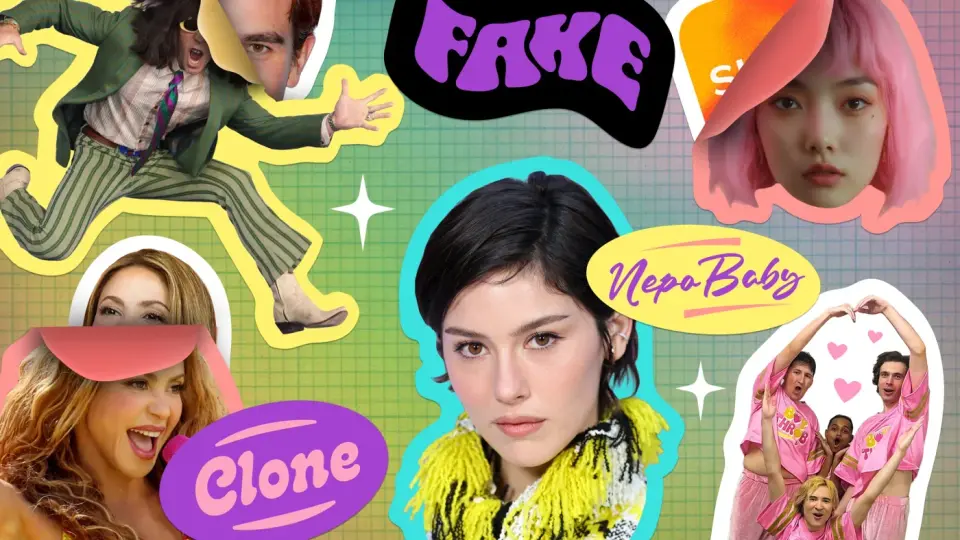
2026 is marked by a surge in artificial music trends, from AI-generated artists and deepfakes to manipulated streaming numbers and undisclosed paid promotions. While platforms like Spotify introduce verification badges for AI personas, controversies over 'psyops' marketing, plagiarism, and identity theft have eroded trust in the industry. A North Carolina man became the first criminally charged for AI streaming fraud, highlighting the growing tension between technological innovation and artistic integrity.
Key points
- James Blake criticized the music industry as 'rigged,' claiming album reviews and streaming numbers are increasingly manipulated for profit.
- The 'Geese is a Psyop' controversy revealed that digital marketing agency Chaotic Good Projects created fake fan accounts to boost indie bands like Geese, though the band later confirmed their live audiences were genuine.
- Ticketmaster canceled thousands of Harry Styles tickets purchased by scalpers using fake identities, following an antitrust trial against Live Nation.
- Spotify began labeling AI-generated users posing as human artists, excluding them from editorial and algorithmic recommendations.
- Michael Smith, a North Carolina man, was sentenced to 18 months in prison for the first criminal charges related to AI streaming fraud, agreeing to pay over $8 million in forfeiture.
- Gracie Abrams faced 'nepo baby' accusations despite her album 'Daughter From Hell' debuting at No. 1 on the Billboard 200.
Background
This year's authenticity crisis builds on historical patterns of music fraud, such as the fabricated identities of Silibil N' Brains and Joyce Hatto, as noted in earlier NPR retrospectives. While the industry has long grappled with ghostwriting and plagiarism, the 2026 surge in AI-generated content and bot-driven metrics represents a new scale of artificiality. The contrast between the rise of AI slop and the continued popularity of live, communal experiences like Phoe Bridgers' no-phone concerts underscores a growing consumer desire for genuine human connection in an increasingly automated landscape.
Why it matters
The proliferation of AI and manipulated data threatens the foundational trust between artists and audiences, potentially devaluing genuine creative work. As streaming platforms implement stricter verification and legal actions against fraud increase, the industry must redefine authenticity to protect artists' livelihoods and maintain public confidence in musical discovery.
What to watch
Expect continued regulatory scrutiny of AI music platforms and stricter enforcement against streaming fraud. Artists may increasingly leverage live performances and verified human identities to distinguish themselves from AI-generated competitors, while platforms like Spotify will likely expand their AI disclosure tools.
Want the full story? Read the original reporting
Read on NPR