
Phoebe Bridgers’ ‘Lost Weekend’ Weaves Grief, Romance, and Musical Homages into a Daring Return
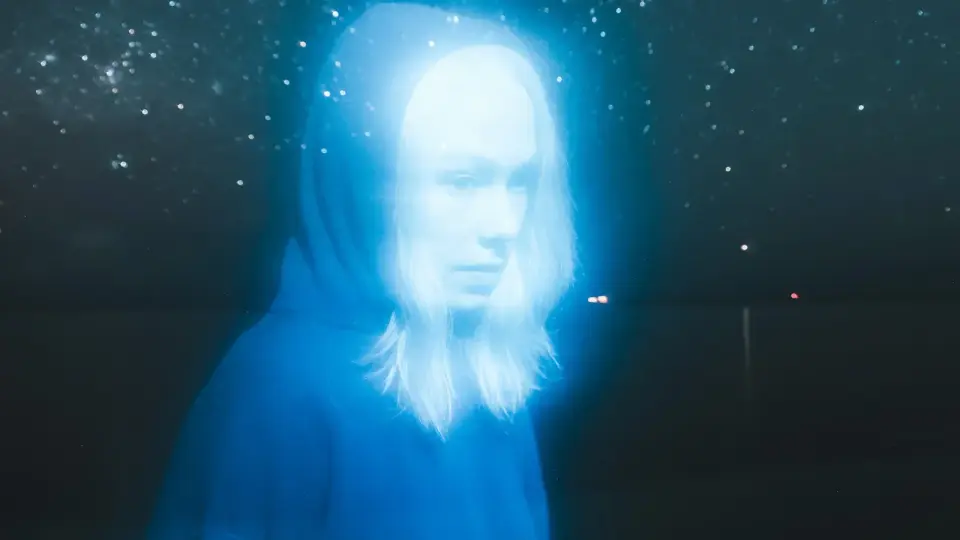
Phoebe Bridgers released her third solo album, 'Lost Weekend,' on August 14, 2026, marking her first solo project in six years. The 16-track record explores themes of grief following her father's death and the end of her engagement to actor Paul Mescal. Critics praise its ambitious blend of Americana, electronic textures, and dense lyrical references to artists like Elliott Smith and Damien Jurado. While some reviewers highlight its emotional depth and sonic innovation, others describe it as a frustrating document of post-pandemic disillusionment.
Key points
- The album was released on August 14, 2026, via Dead Oceans, following a six-year gap since 'Punisher.'
- It features 16 tracks, including interstitial pieces, and credits collaborators such as Jack Antonoff, Bo Burnham, and Damien Jurado.
- Lyrical content addresses the death of Bridgers' father and the dissolution of her relationship with Paul Mescal.
- The record incorporates extensive musical allusions, including interpolations of Damien Jurado's work and references to Elliott Smith and Black Sabbath.
- Production credits include Tony Berg, Ethan Gruska, and Alex G, with sound design elements creating a disorienting atmosphere.
Background
Bridgers' previous solo album, 'Punisher,' was released in 2020 during the pandemic and achieved significant commercial success. Since then, she has collaborated with boygenius, SZA, and Taylor Swift. Her return to solo work follows a period of reduced public visibility and a hiatus from touring.
How outlets are covering it
Rolling Stone emphasizes the album's dense network of musical easter eggs, highlighting specific lyrical nods to Elliott Smith, Damien Jurado, and Black Sabbath. Billboard ranks the tracks, noting the album's fluctuation between grief and elation, and highlights the experimental production. The Guardian praises the album as a thrilling, daring study in dislocation, commending its sonic individuality and emotional impact. The Atlantic offers a more critical view, describing the record as a frustrating document of post-pandemic disappointment, reflecting broader cultural disillusionment.
Why it matters
The album marks a significant return for a major indie-rock artist after a long hiatus, showcasing a shift in her musical style and thematic focus. It reflects the evolving landscape of popular music, blending traditional singer-songwriter elements with experimental electronic textures. The critical reception highlights the ongoing debate about the role of art in processing collective trauma and personal loss in the post-pandemic era.
What to watch
Bridgers is set to embark on a fall tour to support the album, following her recent live performances in New Mexico and Madison Square Garden. The album's release may influence the trajectory of her future solo work and collaborations.
- All the Easter Eggs We Found on Phoebe Bridgers’ ‘Lost Weekend’ Rolling Stone
- Phoebe Bridgers Finds Another Level on ‘Lost Weekend’ The New York Times
- Phoebe Bridgers’ ‘Lost Weekend’: All 16 Tracks Ranked Billboard
- Phoebe Bridgers: Lost Weekend review – long-awaited return is a thrilling, daring study in dislocation The Guardian
- A Perfect Album for a Frustrating Decade The Atlantic
Want the full story? Read the original reporting
Read on Rolling Stone