
Elvis Presley’s 1976 Hampton Coliseum Show: A Glimpse of a Worn-Out King
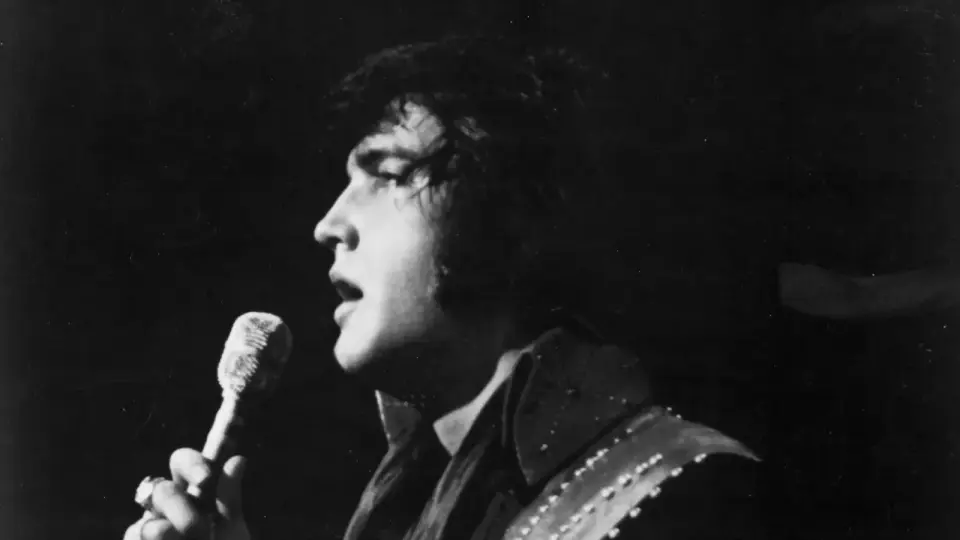
Fifty years ago, Elvis Presley performed a lackluster afternoon show at the Hampton Coliseum in Virginia, leaving reviewers and audiences underwhelmed due to his exhaustion, health issues, and relentless touring schedule.
Key points
- Elvis Presley performed a 2:30 p.m. matinee at the Hampton Coliseum on August 1, 1976, after only two hours of sleep following a late-night show the previous day.
- Times-Herald reporter Cheryl Tucker criticized the performance as lacking soul and energy, noting that Presley was 41, financially strained, and emotionally affected by his recent divorce from Priscilla.
- Presley was heavily dependent on prescription medications and had been touring for 10 consecutive days without a single night off, including a double gig in West Virginia just days prior.
- The setlist included 25 songs, many of which were brief snippets, and omitted major hits like 'Suspicious Minds' and 'In the Ghetto' due to Presley's physical exhaustion.
- A rare moment of spontaneity occurred when Presley impromptu performed 'Return to Sender' after a fan requested it, briefly showcasing the energy seen in his 1972 Hampton Coliseum concert.
Background
This event occurred during Presley's final touring years, a period marked by declining health and a grueling schedule orchestrated by manager Colonel Parker. Four years earlier, Presley had delivered a much more energetic performance at the same venue, which was later documented in the film 'Elvis on Tour.'
Why it matters
The 1976 Hampton Coliseum show highlights the toll of Presley's relentless touring schedule and health struggles, offering a stark contrast to his earlier, more vibrant performances and illustrating the human cost behind his legendary status.
What to watch
Presley continued his 1976 tour, though his health and energy remained compromised. His final tour in 1977 included moments of brief resurgence, but he ultimately passed away in September 1977.
Want the full story? Read the original reporting
Read on Rolling Stone