
Clive Davis’s 94th Birthday Marked by Industry Farewell at Central Synagogue
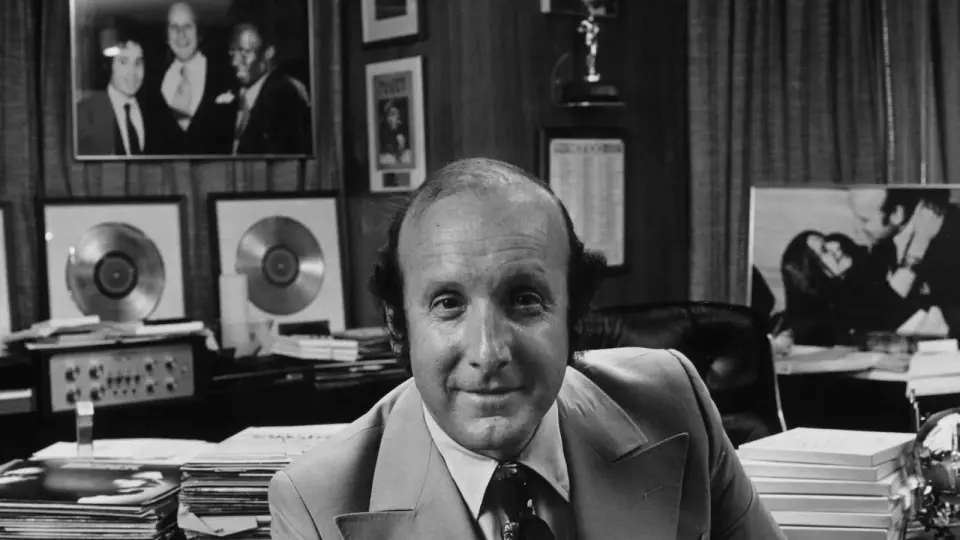
Clive Davis, the influential music executive who died at 94, was honored at a brief funeral in New York attended by major industry figures. Colleagues and artists recalled his exceptional ability to match songs with artists, his long-standing pre-Grammy gala, and his enduring impact on pop music over five decades.
Key points
- Clive Davis died at age 94, with his funeral held on June 29 at New York’s Central Synagogue.
- The service lasted 90 minutes, contrasting with his famous, lengthy pre-Grammy galas.
- Attendees included Bruce Springsteen, Barry Manilow, Usher, Alicia Keys, and Sony Music chairman Rob Stringer.
- Davis was remembered for his 'golden ear' and ability to pair artists with hits, such as Whitney Houston and Dionne Warwick.
- He remained active in his final months, attending Springsteen’s tour in April and hosting guests at his estate in May.
Background
Clive Davis was a pivotal figure in the music industry for over 50 years, founding Arista Records in 1974 and J Records in 2000. He was known for his annual pre-Grammy gala, which served as a major networking event for musicians, executives, and politicians. His career included signing acts like Janis Joplin and Santana, and he was credited with shaping the careers of numerous pop stars through his A&R work.
Why it matters
Davis’s legacy highlights the enduring influence of traditional A&R practices in a streaming-dominated era. His ability to identify hits and mentor talent, such as Larry Jackson, underscores the continued value of human intuition in music curation. The broad attendance at his funeral reflects his status as a cultural figure beyond the music industry, recognized as a 'national treasure' by peers.
What to watch
The music industry will likely continue to honor Davis’s contributions through archival projects and tributes, given his extensive catalog of hits. His mentorship of younger executives suggests a lasting impact on current industry practices, particularly in artist development and song selection.
Want the full story? Read the original reporting
Read on Rolling Stone