
Fontaines D.C. Release 'Dopamine Chamber,' a Seductive and Dystopian Stadium Rock Epic
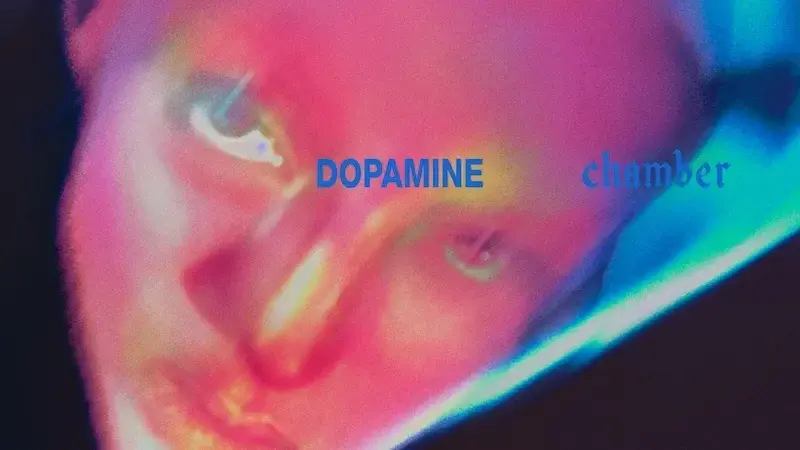
Fontaines D.C. released their fifth album, 'Dopamine Chamber,' on October 16, 2026. The record marks a significant evolution for the Irish band, blending stadium rock with electronic and orchestral elements to explore themes of digital distraction and existential dread. Critics praise the album for its cohesive sound and seductive production, while frontman Grian Chatten describes it as a response to a 'glorious age of distraction.'
Key points
- The album was released on October 16, 2026, via XL Recordings.
- It features a duet with Spanish singer Rosalía on the track 'Where Is Gone?'.
- The record follows the 2024 album 'Romance,' which was a commercial success and earned two Grammy nominations.
- Grian Chatten cites influences ranging from Italian singer Mina to industrial artists like Depeche Mode and New Order.
- The band has transitioned to stadium and arena tours, influencing the album's monumental sound.
Background
Fontaines D.C. formed in 2014 and previously released albums including 'Skinty Fia' (2022) and 'Romance' (2024). The 2024 record marked a shift toward Britpop and Lana Del Rey influences, moving away from their earlier post-punk style. Prior to 'Dopamine Chamber,' the band contributed to the HELP(2) benefit compilation, including a cover of Sinéad O'Connor's 'Black Boys on Mopeds.'
How outlets are covering it
Pitchfork critic Shaad D’Souza rates the album 7.8/10, describing it as 'cruel, beautiful feel-bad music' that balances cynicism with beauty. The Guardian calls it a 'gargantuan triumph,' praising its 'gloomy, gorgeous' sound and Chatten's vocal performances. NPR highlights the album's 'decadent, dystopian' nature, with Chatten discussing the 'glorious age of distraction' and the band's evolution into a mainstream superstar act. All sources agree on the album's ambitious scope and the impact of the Rosalía collaboration, though some fans initially expressed outrage at her inclusion, as noted by The Guardian.
Why it matters
The album reflects broader cultural anxieties about digital surveillance, social media decay, and modern existential dread. It demonstrates how rock bands can adapt to stadium-level performances while maintaining artistic integrity, addressing themes of human degradation in the digital age. The collaboration with Rosalía also highlights the band's willingness to cross genre boundaries and engage with global pop culture.
What to watch
Fontaines D.C. are set to tour in stadiums and arenas, with the album's release coinciding with their new tour cycle. The band may continue to explore themes of digital dystopia and human connection in future projects, potentially expanding their reach in the mainstream music scene.
- Fontaines D.C.: Dopamine Chamber Album Review Pitchfork
- ‘Dopamine Chamber’ by Fontaines D.C. Review: A Confident Rock Record WSJ
- Fontaines DC: Dopamine Chamber review – gloomy, gorgeous and a gargantuan triumph The Guardian
- Fontaines D.C.'s decadent, dystopian vision of our time NPR
- Fontaines D.C. Feels Its Way Out of the Darkness The New York Times
Want the full story? Read the original reporting
Read on Pitchfork